
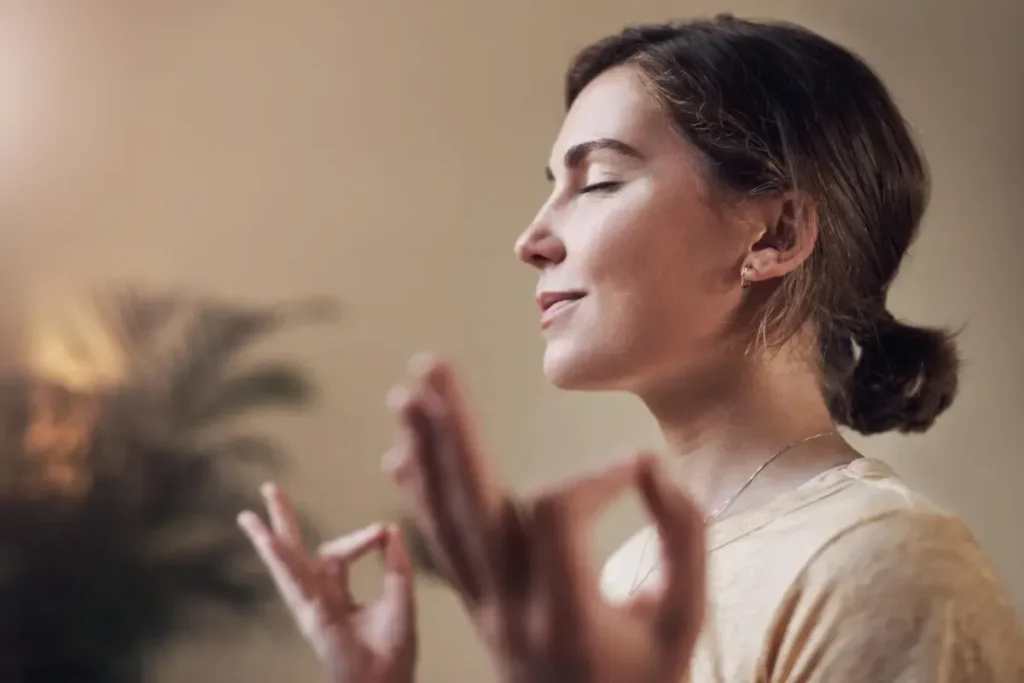
Do you often feel stressed, anxious, or find it hard to focus? The solution might be simpler than you think. Five senses mindfulness can help. It uses your sight, sound, touch, smell, and taste to bring you back to the present moment. This can improve your mental health in just a few minutes.
This technique is backed by science and helps you stay present. It makes you more aware of what’s around you, easing anxiety or stress. By doing this mindfulness exercise, you can find peace and clarity every day.
Key Takeaways
Discover the benefits of practicing five senses mindfulness.
Learn how to engage your senses to reduce stress and anxiety.
Understand the importance of being present in the moment.
Find out how to practice mindfulness in just a few minutes a day.
Explore the positive impact of mindfulness on mental well-being.
Understanding the Science Behind 5 Senses Mindfulness

Learning about the science of five senses mindfulness helps us use it to reduce stress and control emotions. This method involves focusing on our senses to stay present. It helps lessen the effects of stress and anxiety on our mental health.
What Is Five Senses Mindfulness?
Five senses mindfulness is a technique that makes us aware of our surroundings. It involves noticing what we see, hear, touch, taste, and smell. This practice calms our minds and helps us not worry about the past or future.
A Scientific American article says focusing on sensations can calm our minds. By using our senses, we can move away from stressful thoughts and focus on what’s happening now.
Research-Backed Benefits for Mental Wellbeing
Studies show that five senses mindfulness has clinically proven benefits for our mental health. It can greatly reduce stress, anxiety, and depression. By engaging our senses, we can better manage our emotions, leading to better mental health.
The advantages of five senses mindfulness include:
Reduced stress and anxiety
Improved emotional regulation
Enhanced focus and concentration
Better overall mental wellbeing
By making five senses mindfulness a part of our daily lives, we can see these benefits for ourselves. As we become more aware of our senses, we can develop a more positive and resilient mindset. This helps us deal with life’s challenges better.
The 5-4-3-2-1 Grounding Technique: A Complete Guide

The 5-4-3-2-1 grounding technique is a powerful mindfulness exercise. It helps you become more present and aware of your surroundings. You notice five things you can see, four things you can hear, three things you can feel, two things you can smell, and one thing you can taste.
By doing this, it calms your mind and reduces feelings of anxiety and overwhelm.
Preparing Your Mind and Body
Before starting the 5-4-3-2-1 exercise, find a quiet space. Sit or stand without distraction. Take a few deep breaths to calm your nervous system.
As you breathe in, feel your body relax. As you breathe out, release any tension. This initial step is key for a successful grounding exercise.
Step 1: Identify 5 Things You Can See
Start by looking around and identifying five things you can see. These could be objects, colors, or patterns. For example, you might see a chair, a book, or a picture on the wall.
As you acknowledge each item, say it to yourself: “I see a chair.” This helps focus your attention on the present moment.
Step 2: Acknowledge 4 Things You Can Hear
Next, focus on the sounds around you. Identify four distinct sounds, such as the hum of a machine or the chirping of birds. Acknowledge each sound by saying, “I hear the hum of a machine.” This step helps ground you in your environment.
Step 3: Notice 3 Things You Can Feel
Now, focus on your sense of touch. Notice three things you can feel, such as the sensation of your feet on the ground. You might say to yourself, “I feel the warmth of the sun on my skin.” This step encourages a deeper connection with your physical presence.
For more details on the 5-4-3-2-1 grounding technique and its benefits, visit this resource. It offers insights into mindfulness exercises for therapists and individuals alike.
Practicing 5 Senses Mindfulness in Various Settings
5 senses mindfulness exercises can be done anywhere. This makes mindfulness easy and powerful. It can be practiced at home or outdoors.
At Home and in the Workplace
Make your home or office a peaceful place for mindfulness. Find a quiet spot where you can sit comfortably. Notice the sounds, smells, and sensations around you.
At home, try lighting candles or playing soft music. Focus on your feet touching the ground. At work, take short breaks for deep breathing and noticing your surroundings. This can make you more productive and less stressed.
In Nature and During Daily Activities
Nature is perfect for mindfulness. Go for a walk in a park or forest. Pay attention to the leaves, birds, and flowers. Being in nature can ground and refresh you.
You can also practice mindfulness in your daily tasks. While cooking, notice the smells and textures of your ingredients. In the shower, feel the water on your skin. Mindfulness can make everyday tasks enjoyable and present.
Creating a Sustainable Practice Routine
To keep mindfulness a part of your life, create a routine. Start with a daily practice, even if it’s just a few minutes. Be consistent and patient as you build this habit.
By adding 5 senses mindfulness to your life, you can feel calmer, clearer, and more connected. Your journey to a better you begins with every mindful moment.
Conclusion
Adding 5 senses mindfulness to your daily life can change your mental health a lot. Using the 5-4-3-2-1 grounding technique often can help you feel better emotionally. It also lowers stress and boosts focus.
This mindfulness exercise is great for finding calm and clear thinking. As you keep practicing, try different five senses exercises and mindfulness activities for therapists. This will help you find more peace and wellbeing inside.
Remember, the goal is to make mindfulness a regular part of your day. This way, you can enjoy the benefits of 5 senses mindfulness in every part of your life.
FAQ
What is 5 senses mindfulness?
5 senses mindfulness is a way to focus on the present moment. It uses your senses to relax and reduce stress.
How does the 5-4-3-2-1 grounding technique work?
This technique helps you stay present. You identify 5 things you see, 4 sounds you hear, 3 things you feel, 2 smells, and 1 taste. It grounds you in the now.
What are the benefits of practicing 5 senses mindfulness?
It can help you feel less stressed and more focused. It also helps with emotional control.
Can I practice 5 senses mindfulness anywhere?
Yes, you can do it anywhere. It’s great for managing stress at home, work, or in nature.
How can I make 5 senses mindfulness a part of my daily routine?
Start by adding it to your daily life. Try it during meditation or before bed. Be consistent.
Are there any resources available to help me continue my mindfulness journey?
Yes, there are many resources. You can find guided meditations, exercises, and printable PDFs to help you.
Can 5 senses mindfulness be used in conjunction with other mindfulness practices?
Yes, it works well with meditation and deep breathing. It can make these practices even more effective.





