CO2 laser resurfacing is a powerful tool for achieving radiant, youthful skin. But, many people overlook the possible side effects it can cause. At GoldCity Center, we want to give our patients the knowledge they need to make smart choices about their skin.
Know co2 laser side effects for essential safety. Learn powerful ways to manage painful redness and find amazing skin healing fast.
It’s important to know the risks and benefits of CO2 laser resurfacing. This treatment can make fine lines, wrinkles, and skin texture look better. But, it’s key to understand the possible complications that can happen.
Key Takeaways
CO2 laser resurfacing can dramatically improve skin texture and appearance
Understanding possible side effects is key for making informed choices
GoldCity Center’s expert team offers personalized care and guidance during treatment
CO2 laser treatment can tackle many skin issues, from fine lines to scars
Knowing about possible complications can help reduce risks
Understanding CO2 Laser Resurfacing
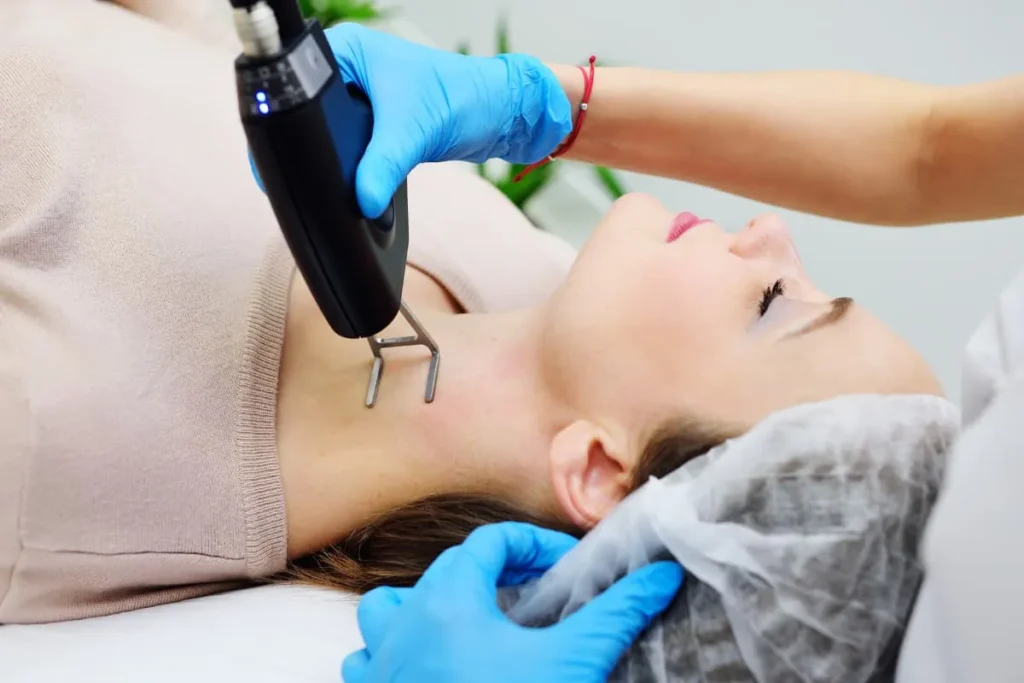
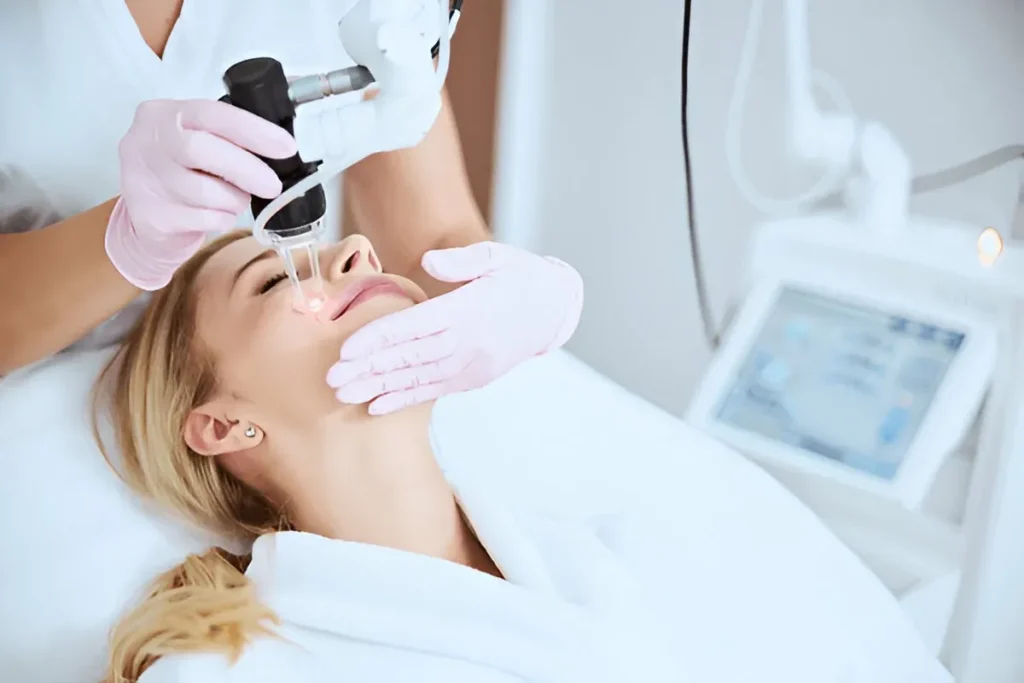
If you’re thinking about CO2 laser resurfacing, it’s key to know how it works and its benefits. This treatment is a type of laser that removes old skin layers and boosts collagen. It helps with fine lines, wrinkles, scars, sun damage, and uneven skin tone.
What is Carbon Dioxide Laser Treatment?
CO2 laser treatment, also known as CO2 laser resurfacing, is a non-surgical way to refresh your skin. It uses laser technology to remove damaged skin and encourage new collagen growth. This makes your skin smoother and firmer. It’s great for tackling wrinkles, scars, and skin texture issues.
Benefits for Wrinkles, Scars, and Skin Texture
CO2 laser resurfacing offers many benefits, making it a favorite among those looking to enhance their skin. Some of the main advantages include:
Reduced Wrinkles and Fine Lines: This treatment can make wrinkles and fine lines less noticeable, giving your skin a younger look.
Improved Skin Texture: It removes damaged skin layers, leading to healthier and more radiant skin.
Scar Reduction: It’s effective in making acne scars and other scars less visible, helping to even out your skin tone.
With the right aftercare, you can get radiant, healthy-looking skin. But, it’s important to know about possible side effects like infection signs after treatment. This ensures a smooth recovery.
Common CO2 Laser Side Effects You Should Expect

CO2 laser resurfacing can greatly improve your skin’s texture. But, it’s important to know the common side effects. Knowing these can help you prepare for recovery and make smart skincare choices.
Persistent Redness (Affecting 95% of Patients)
About 95% of patients experience persistent redness after CO2 laser resurfacing. This redness can last from a few days to weeks. Your skin type and treatment depth play a role.
Your practitioner might suggest soothing skincare products and sun protection. These can help reduce redness and aid in healing.
Burning Sensations (Experienced by 92% of Cases)
Almost 92% of people get burning sensations during or right after treatment. These feelings are usually short-lived and can be eased with cooling or topical anesthetics.
Talking to your practitioner about your comfort is key. This ensures a better experience for you.
Temporary Swelling During Recovery
Swelling is a common side effect after CO2 laser resurfacing. It’s usually temporary and goes away in a few days. As your skin heals.
Using cold compresses and keeping your head up can help with swelling. Your practitioner might also suggest products for recovery.
Skin Sensitivity and Tenderness
After treatment, your skin might feel sensitive and tender, like after a sunburn. This is normal and usually goes away in a few days to a week.
Choosing gentle skincare products and avoiding harsh exfoliants or irritants can help. This makes the healing process easier.
For more detailed info on managing side effects and ensuring a smooth recovery, check out resources on the downside of CO2 laser. Being informed and proactive can greatly improve your experience. This leads to the radiant, youthful skin you want.
Serious Complications to Be Aware Of
Before getting CO2 laser resurfacing, it’s important to know the serious risks. This treatment can make your skin glow and look young. But, there are dangers to think about carefully.
Hypopigmentation (Loss of Skin Color)
Hypopigmentation is a big risk with CO2 laser resurfacing. It happens in 13 to 19% of people. This means your skin color can change, making it uneven. It’s key to follow your doctor’s advice after treatment to lower this risk.
Make sure to follow your doctor’s advice on aftercare.
Watch for signs of hypopigmentation and tell your doctor right away.
Talk to your doctor about your risk before treatment.
Infection Risks and Possible Scarring
Infection is a serious risk after CO2 laser resurfacing. By taking good care of your wound and following your doctor’s instructions, you can lower this risk. Scarring is also a worry, as bad healing can leave permanent marks.
Keep the treated area clean and follow your doctor’s wound care advice.
Go to all your follow-up appointments to check on healing.
Tell your doctor right away if you see signs of infection, like more redness or swelling.
Prolonged Recovery and Downtime
Some downtime is normal after CO2 laser resurfacing. But, for some, recovery can take longer. Knowing how long recovery will take and planning for it can help manage your expectations.
To avoid serious problems, it’s important to:
Choose a skilled practitioner.
Follow your doctor’s advice before and after treatment.
Go to all your follow-up appointments.
Being aware of these risks and taking steps to avoid them can help you have a better recovery. This way, you can get the best results from your CO2 laser resurfacing treatment.
Conclusion: Weighing the Risks and Benefits
CO2 laser resurfacing can change your skin for the better, but it’s important to know the risks and benefits. The treatment can give you amazing results, but laser facial treatment side effects like redness and swelling are common. Sometimes, serious issues like hypopigmentation or infection can happen.
It’s key to talk to a skilled professional before getting the treatment. They can check your skin and decide if it’s right for you. They’ll also tell you what to expect during recovery, including how to handle severe swelling.
Knowing the downsides of CO2 laser resurfacing helps you decide if it’s for you. With the right care and advice, you can get a glowing skin and enjoy the latest in skincare technology.
FAQ
What are the most common side effects of CO2 laser resurfacing?
Common side effects include redness, burning, swelling, and skin sensitivity. These effects are usually short-term and can be managed with proper care.
How long does redness last after CO2 laser treatment?
Redness can last weeks to months after treatment. In some cases, it can last up to a year or more.
Can CO2 laser resurfacing cause infection?
Yes, there’s a risk of infection with CO2 laser resurfacing. Signs include increased redness, swelling, and pus. Following aftercare instructions can help minimize this risk.
Is CO2 laser resurfacing safe for all skin types?
CO2 laser resurfacing isn’t safe for everyone, like those with darker skin tones. It can cause skin color loss. Always consult a qualified professional before treatment.
How can I minimize the risk of complications after CO2 laser treatment?
Follow aftercare instructions, attend follow-up appointments, and choose a qualified professional. This can help avoid complications.
What are the signs of infection after CO2 laser treatment?
Signs include increased redness, swelling, pus, and fever. If you notice these symptoms, seek medical help right away.
Can CO2 laser resurfacing cause scarring?
Yes, it can cause scarring if not done correctly or if aftercare is neglected. Choosing a qualified professional can help minimize risks.
How long is the recovery time after CO2 laser resurfacing?
Recovery time varies, but it usually takes days to weeks. In some cases, recovery can take longer.
References
National Center for Biotechnology Information. Evidence-Based Medical Insight. Retrieved from https://pubmed.ncbi.nlm.nih.gov/9236869/