

MDMA, commonly known as molly or ecstasy, is a synthetic drug popular among young adults. It’s often used at parties and music festivals. But, its use comes with serious risks that need to be known by everyone.
Ecstasy, or MDMA (3,4-methylenedioxymethamphetamine), can be very dangerous. It can even be life-threatening. It’s important to know the mdma effects on the body to stay safe.
GoldCity Center focuses on teaching patients about the dangers of molly. They help people understand the risks, from heart problems to brain damage. This education is key to staying safe.
Molly side effects can cause scary and permanent health damage. Learn the vital facts about MDMA to protect your amazing brain and body now.
Key Takeaways
MDMA, commonly known as molly, poses significant health risks.
The use of molly can lead to life-threatening health emergencies.
Understanding the long and short term effects of molly is critical for safety.
GoldCity Center emphasizes patient education and evidence-based care.
Awareness of the risks associated with molly use is essential.
What Is MDMA (Molly/Ecstasy)?
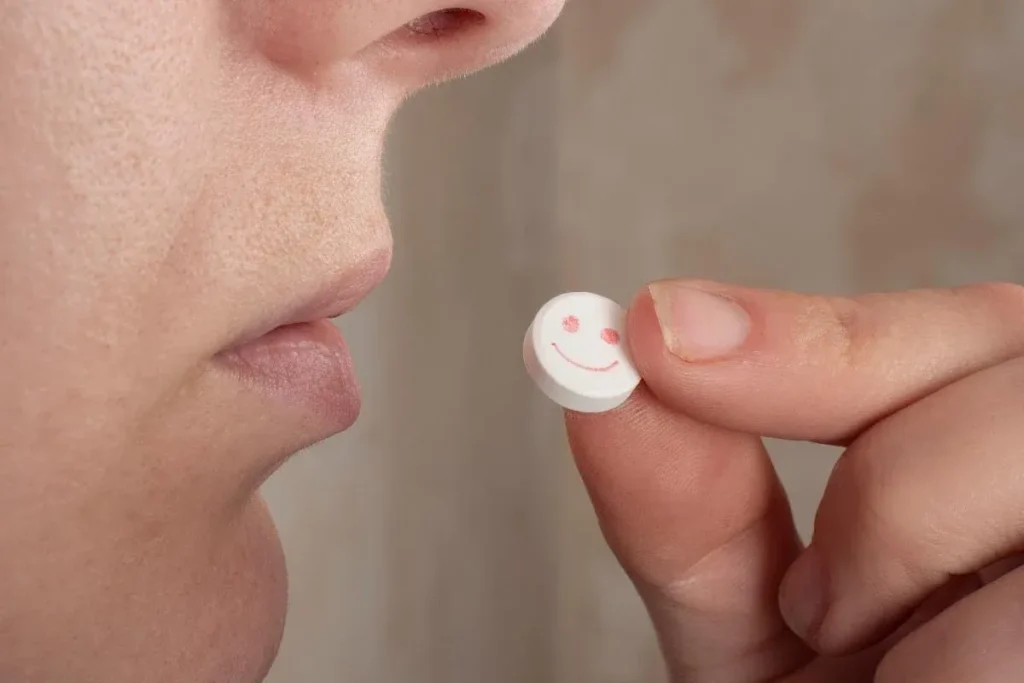
MDMA, or 3,4-methylenedioxymethamphetamine, is a substance with both stimulant and psychedelic properties. The term MDMA is often used interchangeably with “molly” and “ecstasy,” though there are distinctions in their forms. “Molly” typically refers to the drug in its crystalline powder form, while “ecstasy” usually denotes the tablet form.
Chemical Composition and Forms
MDMA is chemically different from methamphetamine, despite both having stimulant effects. The chemical structure of MDMA includes a methylenedioxy group, which distinguishes it from other amphetamines. This difference in chemical composition contributes to its unique effects on the brain and body.
How MDMA Differs from Methamphetamine
Both MDMA and methamphetamine are stimulants, but they have different chemical structures and effects. Methamphetamine is known for its potent stimulant effects, often leading to increased energy and alertness. In contrast, MDMA is known for producing feelings of euphoria, emotional closeness, and enhanced sensory perceptions.
How MDMA Affects Brain Chemistry
MDMA acts by increasing the levels of certain neurotransmitters in the brain, such as serotonin, dopamine, and norepinephrine. The increase in serotonin is significant, as it is associated with feelings of empathy and emotional closeness. Yet, this surge in serotonin can also lead to its depletion after use, potentially causing mood disturbances.
As Medical Expert, a psychiatrist and author, notes, “MDMA’s effects on the brain are complex, involving multiple neurotransmitter systems.” This complexity underlines the need for a nuanced understanding of MDMA’s impact on brain chemistry.
7 Common Molly Side Effects
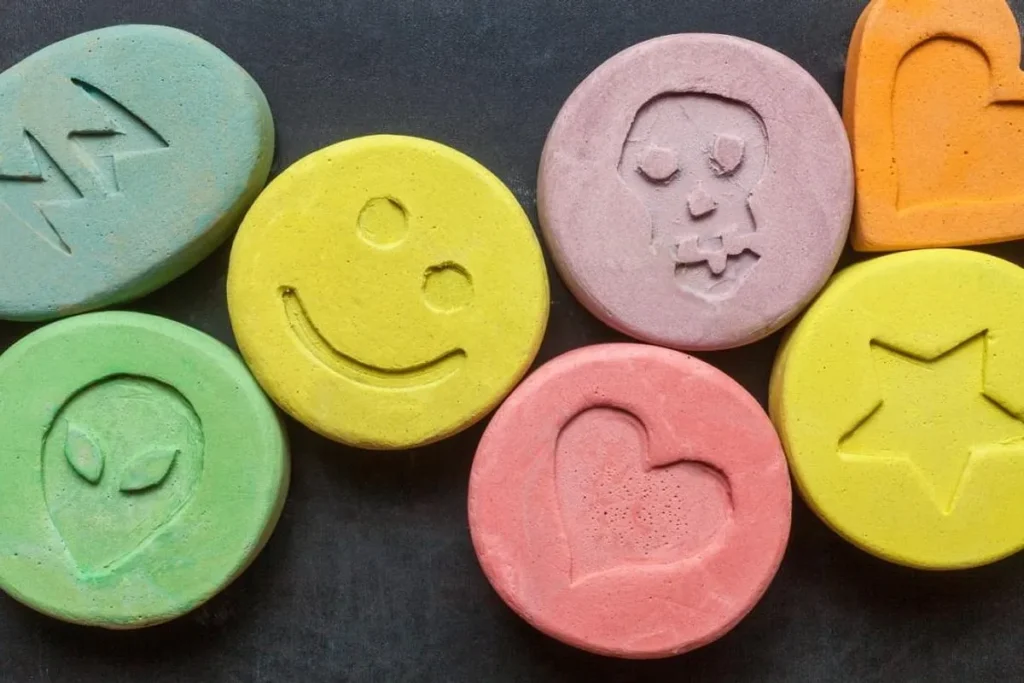
It’s important to know the risks of molly to avoid its harmful effects. Many people experience side effects because of how molly changes their body’s chemistry.
Cardiovascular Effects
Molly can put a lot of strain on the heart. Some of the heart-related issues include:
Increased heart rate: Molly can make the heart beat faster, which can lead to heart problems.
Elevated blood pressure: The drug can also raise blood pressure, which is a concern for those with high blood pressure.
Physical Discomfort
People often feel physical discomfort after taking molly. Some common issues are:
Involuntary jaw clenching and teeth grinding, which can harm teeth.
Nausea and vomiting, showing the body’s negative reaction to the drug.
Restless legs and other muscle problems, adding to discomfort.
Psychological Effects
Molly’s effects on the mind can be as worrying as its physical impacts. Users might feel:
Anxiety and panic attacks: The drug can make anxiety worse.
Mood swings: Users may experience big mood changes, which can lead to depression or irritability.
The amount of molly taken affects how severe these effects are. Many of MDMA’s impacts depend on the dose.
Serious Health Risks of MDMA Use
MDMA use can lead to serious health risks. One major concern is hyperthermia, a condition where the body temperature gets too high.
Hyperthermia is dangerous, often fatal, when using MDMA, in hot places, or with exercise. It can cause dehydration, organ failure, and even death if not treated quickly.
Hyperthermia: A Potentially Fatal Risk
The risk of hyperthermia is higher in crowded, hot places like music festivals. It’s important to know the signs, such as dizziness, nausea, and a fast heartbeat.
Organ Damage Concerns
MDMA can harm organs like the kidneys and liver. It raises blood pressure and heart rate, straining these organs.
Long-Term Neurological Impact
MDMA use can have long-term effects on the brain. It can change brain chemistry, leading to cognitive and emotional problems.
Knowing these serious health risks is key to making smart choices about MDMA. If you or someone you know has symptoms, get medical help right away.
Making Informed Choices About Molly Use
It’s important to know the risks of molly use to make safe choices. MDMA can cause serious health problems, like heart issues and mental health issues. Learning about these risks helps keep you safe when using molly.
If you’re struggling with MDMA addiction, help is available. You can find treatment in inpatient or outpatient programs. These places offer support to help you beat addiction and live a healthier life. Always talk to a doctor about molly safety to learn more.
Being informed and careful helps you handle MDMA use better. It’s about taking care of your health and making smart choices. This way, you can enjoy a safer, healthier life.
FAQ
What are the effects of MDMA?
MDMA, also known as molly, can make you feel happy and energetic. It can also make your senses feel more alive. But, it can also cause your heart to beat faster and make you very thirsty. It might even harm your brain in the long run.
Is molly the same as ecstasy?
Molly and ecstasy both have MDMA, but they’re not the same. Molly is seen as a cleaner version of MDMA. Ecstasy might have other substances mixed in.
What are the side effects of molly?
Using molly can lead to heart problems, physical pain, and mental issues. It can also cause serious problems like overheating and damage to organs. It might even harm your brain over time.
Is molly a hard drug?
Molly, or MDMA, is a Schedule I drug. This means it has a high risk of abuse and harm. It might not be as addictive as other drugs, but it can seriously harm your health.
What is molly made of?
Molly is usually made from MDMA, a man-made substance that affects your mind. The exact mix can vary, but it’s often made in labs and might have other substances added.
What does molly make you feel like?
Molly can make you feel very happy and energetic. It can also make your senses more intense. But, it can also make you feel anxious, sad, or confused.
What are the long-term effects of molly?
Long-term use of molly can damage your brain and memory. It can also increase your risk of depression and anxiety.
Is MDMA medication?
MDMA has been studied for treating PTSD, but it’s not approved by the FDA as a medicine yet.
How does MDMA affect brain chemistry?
MDMA changes your brain chemistry by increasing certain chemicals like serotonin and dopamine. This can affect your mood, energy, and how you perceive things.
Is molly methamphetamine?
No, molly is not methamphetamine. They are both stimulants but have different effects and chemical makeup.
What are the health risks of molly?
Using molly can lead to heart problems, physical pain, and mental issues. It can also cause serious problems like overheating and damage to organs. It might even harm your brain over time.
References
National Center for Biotechnology Information. Evidence-Based Medical Insight. Retrieved from https://pmc.ncbi.nlm.nih.gov/articles/PMC1071023/





