
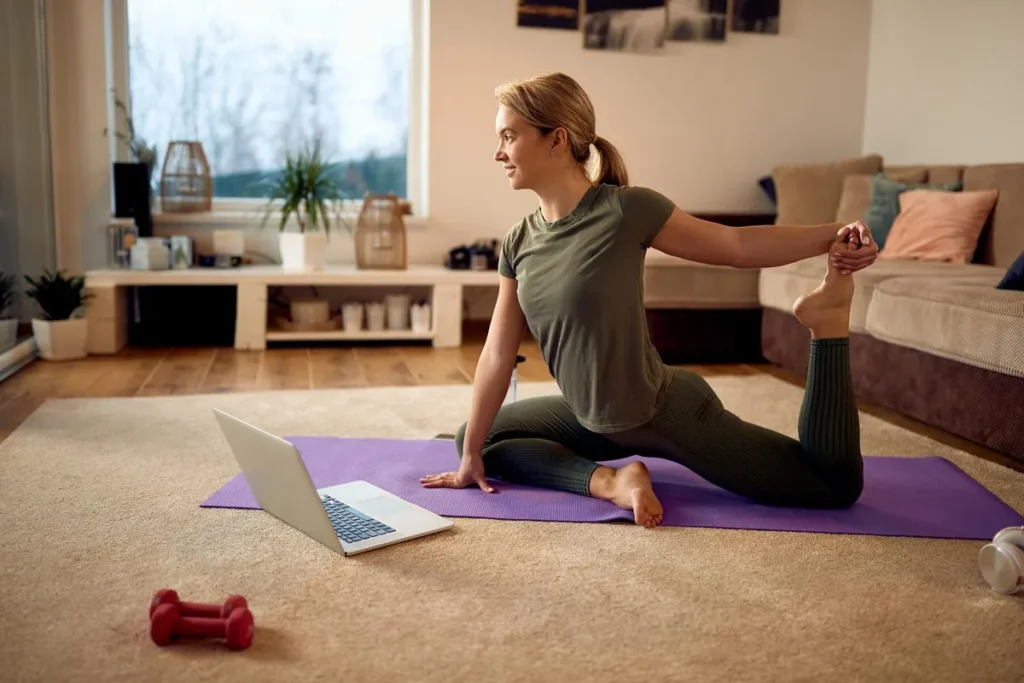
Feeling overwhelmed by stress and anxiety? Deep breathing exercises are a proven way to calm your body. They trigger your body’s natural relaxation response. Studies show they lower stress hormones and improve mental focus.
Relaxation exercises for stress provide powerful mental relief. Discover amazing breathing tips to stop scary tension and restore your calm today.
Adding deep breathing exercises to your day can help with anxiety management. It boosts your overall health. GoldCity Center uses these relaxation techniques in their care, focusing on the patient.
Key Takeaways
Deep breathing exercises reduce stress hormones and promote relaxation.
Breathing techniques are recognized interventions for anxiety management.
Incorporating deep breathing into daily routines promotes overall well-being.
GoldCity Center’s patient-centered approach includes evidence-based relaxation techniques.
Deep breathing exercises are a scientifically proven solution for stress relief.
The Science of Deep Breathing and Stress Reduction
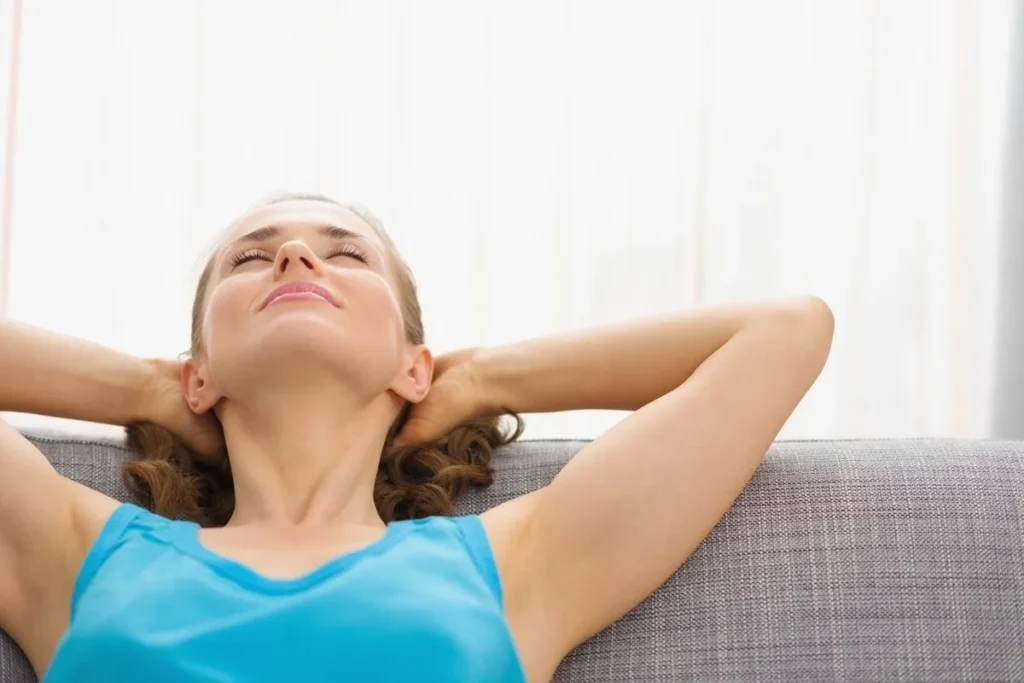
Studies show that deep breathing can turn on the parasympathetic nervous system. This reduces stress hormones like cortisol and helps us relax. It’s key to fighting off stress.
How Breathwork Activates the Parasympathetic Nervous System
Breathwork techniques work by stimulating the vagus nerve. This nerve is a main path for the parasympathetic system. A study on Yale Medicine explains it helps slow the heart and lower blood pressure. This leads to calm and relaxation.
The parasympathetic system helps us relax and lowers anxiety. By practicing deep breathing, we can make this system stronger. This helps us manage stress better.
Research-Backed Benefits for Reducing Cortisol Levels
Research proves that slow and deep breathing lowers cortisol levels. Lower cortisol means less stress and anxiety. It also means better overall health.
Reduces stress hormones
Promotes relaxation
Improves emotional regulation
Adding deep breathing to our daily lives can bring these benefits. It helps us live a more balanced and healthy life.
Physiological Changes: Heart Rate and Blood Pressure
Deep breathing changes our body in big ways. It makes our heart rate and blood pressure go down. These changes show our body is relaxing, fighting off stress.
Slows down heart rate
Lowers blood pressure
Enhances overall cardiovascular health
Doing deep breathing regularly can improve our heart health over time. This boosts our overall well-being.
Effective Relaxation Exercises for Stress Relief
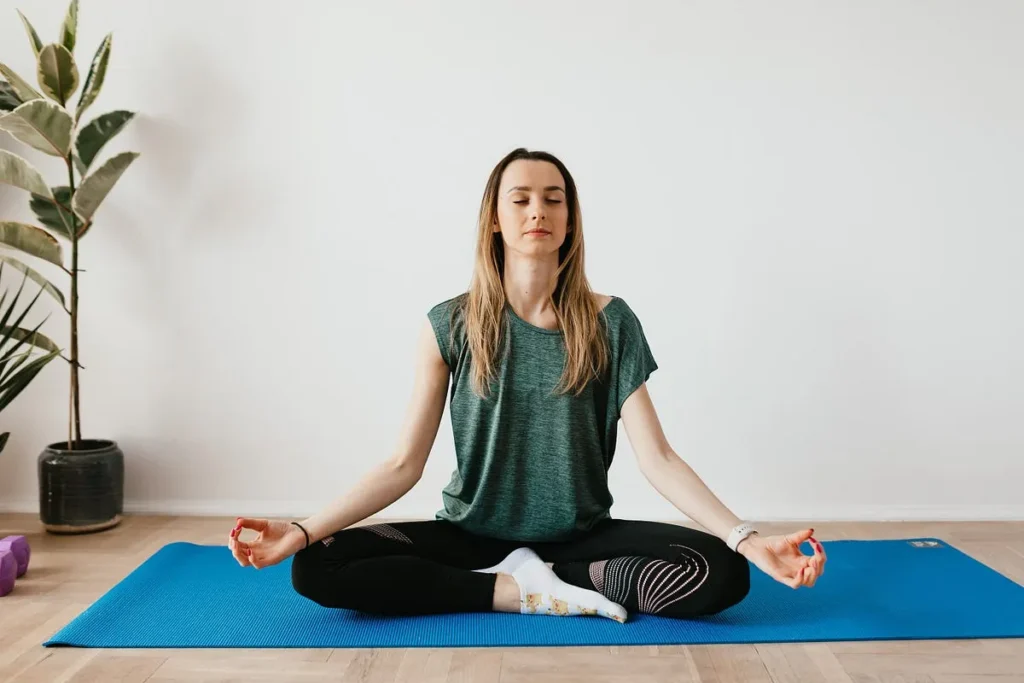
Relaxation exercises are a great way to handle stress. They improve both your mental and physical health. Adding these techniques to your daily life can help you deal with stress better and feel better overall.
Diaphragmatic Breathing Technique
Diaphragmatic breathing, or belly breathing, is a simple yet effective way to reduce stress. This method uses your diaphragm for full oxygen exchange and slows down your heart rate. Here’s how to do it:
Lie on your back with your knees slightly bent.
Place one hand on your belly and the other on your chest.
Inhale deeply through your nose, letting your belly rise while your chest stays steady.
Exhale slowly through your mouth, letting your belly fall.
Regular practice of diaphragmatic breathing strengthens your diaphragm and improves your breathing.
Slow and Deep Breathing Practices
Slow and deep breathing practices calm your mind and body. By focusing on slow, deliberate breaths, you can lower your heart rate and blood pressure. Here’s how to practice:
Find a comfortable seated or lying position.
Close your eyes and take a slow, deep breath in through your nose.
Hold your breath for a few seconds.
Exhale slowly through your mouth.
This technique is great for stressful situations or when you feel anxious.
Breathing Exercises for Specific Situations
Different situations need different breathing exercises. For example, during a panic attack, slow, deep breaths can calm your nervous system. A short breathing exercise can refresh your mind during a busy day.
For panic attacks: Practice slow, deep breathing to calm your heart rate.
For a busy day: Use a short, focused breathing exercise to rejuvenate.
Yoga Breathing Exercises for Anxiety
Yoga breathing exercises, or Pranayama, are ancient techniques to control your breath and calm your mind. These exercises are great for managing anxiety. Techniques like Alternate Nostril Breathing and 4-7-8 Breathing are popular for their stress-relieving benefits.
Regular practice of yoga breathing exercises can significantly reduce anxiety and improve your mental well-being.
Conclusion
Adding deep breathing exercises to your daily life can help manage stress and anxiety. Techniques like box breathing, diaphragmatic breathing, and the 4-7-8 method are great tools. They help you relax and improve your well-being.
Stress might be a part of life, but feeling overwhelmed doesn’t have to be. Simple deep breathing exercises can help you take back control in just minutes. As you relax and breathe deeply, you’ll see a big drop in stress and better mental health.
Make deep breathing a part of your daily routine for stress relief and anxiety management. Take a deep breath, relax, and let calmness fill you. With regular practice, you’ll face life’s challenges with calm and clarity.
FAQ
What are deep breathing exercises and how do they help with stress relief?
Deep breathing exercises are about taking slow, deep breaths. They help calm the body by lowering stress hormones like cortisol. This makes you feel more relaxed.
How does deep breathing affect the parasympathetic nervous system?
Deep breathing turns on the parasympathetic nervous system. This system helps slow down your heart rate and lower blood pressure. It promotes relaxation.
What is diaphragmatic breathing and how do I practice it?
Diaphragmatic breathing, or belly breathing, fills the lungs deeply. This makes your belly rise while your chest stays steady. Sit comfortably, place hands on belly and chest, and breathe in slowly through your nose.
Can deep breathing exercises help with anxiety management?
Yes, deep breathing exercises can help manage anxiety. They lower cortisol levels and slow down your heart rate. Regular practice can reduce anxiety and improve your mood.
How often should I practice deep breathing exercises for stress relief?
Practice deep breathing exercises regularly for best results. Try to do it at the same time each day, like in the morning or evening. Consistency is key.
Are there any specific breathing exercises for stress relief during specific situations, like before a big meeting or during a hectic workday?
Yes, there are breathing exercises for different situations. A simple exercise can calm nerves before a meeting. A longer practice can recharge you during a busy day.
Can yoga breathing exercises help with anxiety and stress relief?
Yes, yoga breathing exercises, or Pranayama, are great for managing anxiety and stress. They combine deep breathing with yoga poses to promote relaxation and balance.
How long does it take to see the benefits of deep breathing exercises?
The benefits of deep breathing exercises can be felt almost right away. You might feel calm and relaxed after just a few minutes. Regular practice can lead to long-term stress and anxiety relief.
References
National Center for Biotechnology Information. Evidence-Based Medical Insight. Retrieved from https://pmc.ncbi.nlm.nih.gov/articles/PMC9877284/





