

Tobacco use disorder is a big problem worldwide, affecting millions. The Diagnostic and Statistical Manual of Mental Disorders, Fifth Edition (DSM-5), calls it a substance use disorder. This shows we need to diagnose it right and treat it with evidence-based methods.
The DSM-5 lists eleven criteria for tobacco nicotine use disorder. You need at least two of these in a year to be diagnosed. Spotting it early and acting fast is key to getting better. GoldCity Center uses the latest research to give patients the best care.
Key Takeaways
DSM-5 recognizes tobacco use disorder as a substance use disorder.
At least two of eleven diagnostic criteria must be present within 12 months.
Early recognition and intervention are key for recovery.
GoldCity Center offers top-notch preventive and curative healthcare.
Right diagnosis and treatment are vital.
Understanding Tobacco Use Disorder in the DSM-5

The DSM-5 has changed how we see tobacco use disorder. This shift shows a deeper understanding of tobacco’s effects on health.
Evolution from Nicotine Dependence to Tobacco Use Disorder
The DSM-5 now calls it tobacco use disorder, not just nicotine dependence. Tobacco use disorder includes both the addiction and the behavior of using tobacco. This change shows that tobacco use is complex, with both biological and environmental factors at play.
The DSM-5’s DSM-5 substance use codes, like F17.200, help diagnose tobacco use disorder better. This code is for diagnosing tobacco use disorder, unspecified, uncomplicated.
Public Health Impact and Economic Costs
Tobacco use disorder heavily affects public health and healthcare systems. The costs are huge, including direct healthcare and lost productivity. The public health impact is worsened by tobacco’s link to chronic diseases like heart disease, lung disease, and cancer.
Changes in Diagnostic Requirements from DSM-IV to DSM-5
The DSM-5 lowered the number of criteria needed to diagnose tobacco use disorder from three to two. This makes it easier to catch and treat the disorder early. The DSM-5 also added z72.0 for lifestyle problems, which can relate to tobacco use.
The new criteria in the DSM-5 help healthcare professionals diagnose and treat tobacco use disorder better. By knowing the symptoms of tobacco use and the new criteria, doctors can provide better care.
The 5 Key Diagnostic Criteria for Tobacco Use Disorder
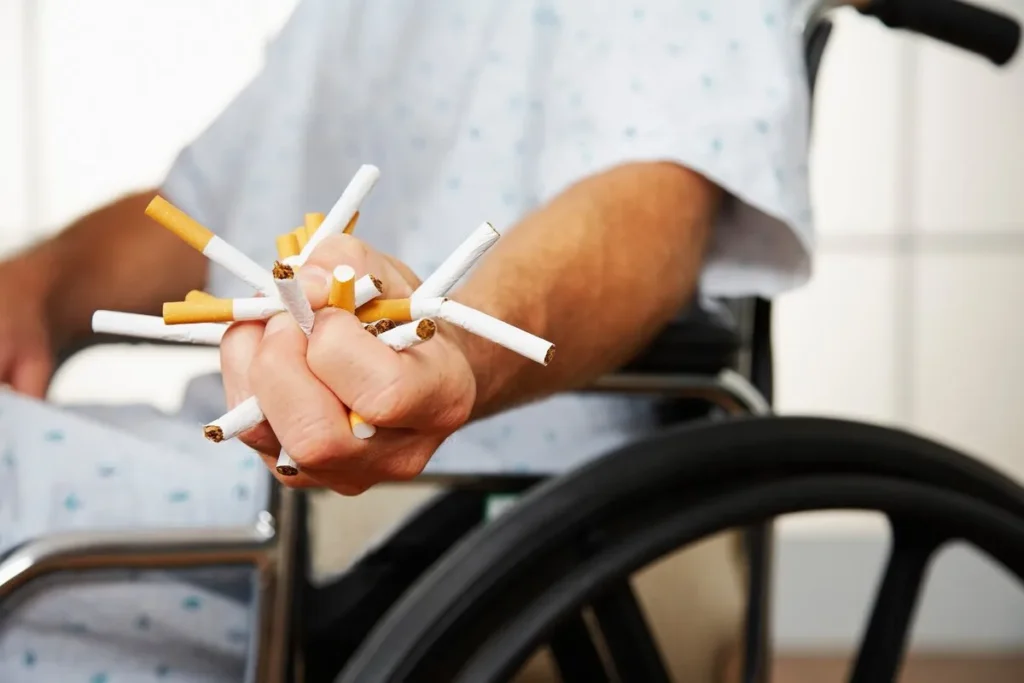
The DSM-5 outlines five key criteria for diagnosing tobacco use disorder. These criteria help healthcare professionals accurately diagnose and treat tobacco addiction.
Tobacco Taken in Larger Amounts or Over Longer Periods
The first criterion is using tobacco in larger amounts or for longer periods than planned. This shows a loss of control over tobacco use. People might use tobacco more or in bigger amounts than they wanted to.
Persistent Desire or Unsuccessful Efforts to Cut Down
Another criterion is wanting to cut down or control tobacco use but failing to do so. This shows the struggle people face in reducing or stopping tobacco use, even when they want to.
Significant Time Spent Obtaining or Using Tobacco
Spending a lot of time getting or using tobacco is also a criterion. It shows how much tobacco use affects daily life. This includes time spent buying tobacco, using it, or recovering from its effects.
Craving or Strong Desire to Use Tobacco
Feeling a strong urge to use tobacco is a key sign of tobacco use disorder. This intense desire can be triggered by emotions or environmental cues. It’s a major challenge in managing tobacco use.
Understanding these criteria is essential for healthcare professionals. It helps them give accurate diagnoses and create effective treatment plans for tobacco addiction. By recognizing these signs and symptoms, professionals can better help those struggling with tobacco addiction.
Conclusion: Implications for Diagnosis and Treatment
The DSM-5 criteria for tobacco use disorder have big changes. These changes affect how we diagnose and treat it. Accurate diagnosis is key for healthcare professionals to help those struggling with tobacco addiction.
Knowing the diagnostic criteria helps healthcare providers create better treatment plans. This includes using the tobacco use disorder icd and f17 200 icd 10 codes. The z72.0 code also shows the need for a full care approach.
There are many ways to manage tob abuse and tobacco use disorder. Healthcare professionals can use the DSM-5 criteria to find who needs help. Then, they can offer the support needed to beat addiction.
Understanding these changes helps healthcare providers give better care. This can lead to fewer cases of tobacco use disorder and its health risks.
FAQ
What is tobacco use disorder?
Tobacco use disorder is a condition where someone uses tobacco in a way that harms them. It’s listed in the Diagnostic and Statistical Manual of Mental Disorders, Fifth Edition (DSM-5).
What are the diagnostic criteria for tobacco use disorder in the DSM-5?
The DSM-5 says someone has tobacco use disorder if they use more tobacco or for longer. They might also spend a lot of time getting or using it. Other signs include strong cravings and wanting to use it a lot.
What is the ICD-10 code for tobacco use disorder?
The ICD-10 code for tobacco use disorder is F17.200. It’s used to officially diagnose it in a medical setting.
How has the diagnostic criteria for tobacco use disorder changed from DSM-IV to DSM-5?
The DSM-5 now calls it a substance use disorder. It has more detailed criteria. Before, the DSM-IV called it nicotine dependence.
What are the symptoms of tobacco use disorder?
Signs include a strong need or craving for tobacco. People might use more or for longer. They might also feel bad when they try to stop or cut down.
How is the severity of tobacco use disorder assessed?
Doctors look at how many criteria someone meets. More criteria means a more severe disorder.
What is the public health impact of tobacco use disorder?
Tobacco use disorder is very harmful. It causes a lot of health problems, deaths, and costs money worldwide.
What treatment options are available for managing tobacco use disorder?
Treatments include counseling and medicines. Counseling helps people change their behavior. Medicines like nicotine replacement therapy can help manage cravings.
What is the code Z72.0 used for?
Code Z72.0 is for noting tobacco use problems. It’s not a diagnosis for tobacco use disorder. It’s used to show how tobacco use affects someone’s health.
References
National Center for Biotechnology Information. Evidence-Based Medical Insight. Retrieved from https://www.ncbi.nlm.nih.gov/books/NBK519704/





