
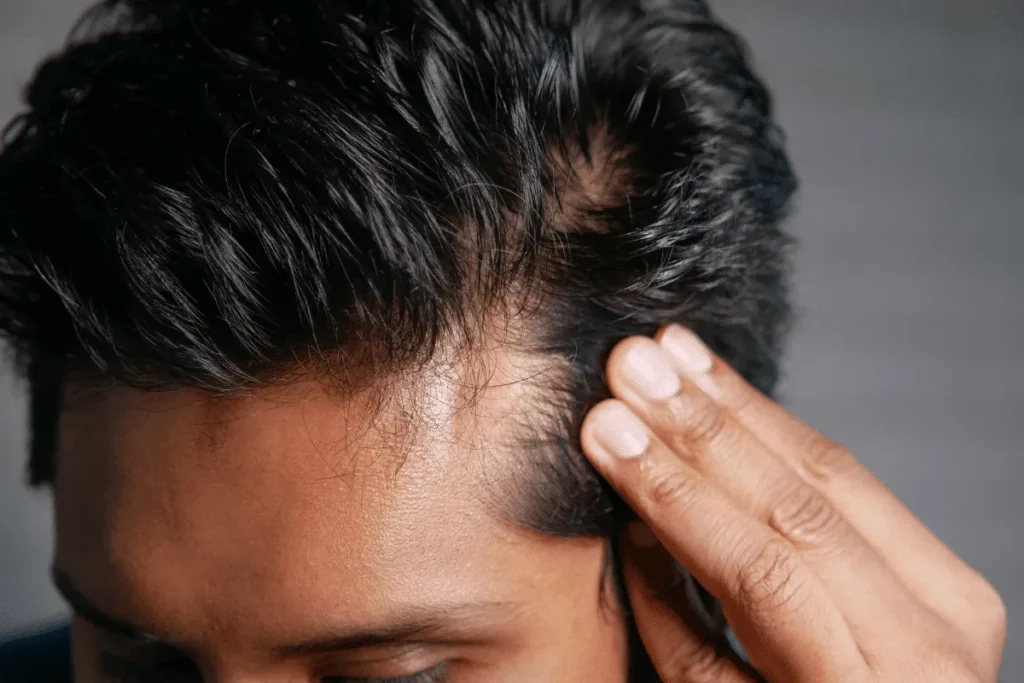
Stop hormonal hair loss with these effective secrets. Learn how to balance your body and keep your beautiful hair naturally.
Millions worldwide face hair thinning and loss, often not knowing it’s due to hormonal imbalances, not just genes. Research shows hormonal shifts, like during menopause or after having a baby, can cause a lot of hair loss in both men and women.
It’s key to know why hormone-related hair loss happens to treat it right. By fixing the hormonal issues, people can get their hair’s luster back. This article will look into why hormonal hair loss happens and how to stop it. You’ll learn how to get your hair looking great again and feel more confident.
Key Takeaways
Understand the link between hormonal imbalances and hair loss
Identify common hormonal changes that contribute to hair shedding
Discover proven solutions to address hormone-related hair loss
Learn how to reclaim your hair’s luster and inner radiance
Explore effective treatments to achieve a luxury transformation
Understanding Hormonal Hair Loss Causes and Prevalence

Hormonal hair loss is a complex issue. It’s influenced by genetics, medical conditions, and hormonal changes. It affects many people, with some groups being more at risk.
The Science Behind Hormonal Hair Thinning
Hormonal hair thinning is mainly caused by testosterone turning into dihydrotestosterone (DHT). DHT shrinks hair follicles, making hairs thinner and shorter. This can lead to hair loss.
But DHT isn’t the only hormone involved. Thyroid hormones and estrogen also play a part. For example, thyroid disorders can cause hair loss because of the metabolic changes they bring.
Who Is Most Vulnerable?
Some groups face a higher risk of hormonal hair loss. Postmenopausal women, for instance, see big hormonal changes that can cause hair thinning. People with a family history of hair loss are also more likely to experience it.
Knowing these factors is key to fighting hormonal hair loss. By understanding the causes and who’s most at risk, people can take steps to prevent hair loss.
Proven Solutions for Hormonal Hair Loss
Hormonal hair loss can be tough to deal with, but there are effective treatments. Knowing why you’re losing hair is key to finding the best solution. Whether it’s due to hormonal imbalances or other factors, there are ways to address it.
It’s important to look at both medical and natural treatments. Finding the right mix can help your hair grow back and stay healthy.
Medical Treatments and Interventions
Medical treatments often start with finasteride and minoxidil. Finasteride stops DHT, a hormone that causes hair loss. Minoxidil boosts hair growth by improving scalp blood flow.
Laser therapy is another option. It uses low-level lasers to stimulate hair growth. This treatment is non-invasive and can improve scalp health.
Natural and Lifestyle Approaches
Natural and lifestyle changes can also help with hormonal hair loss. Eating foods rich in omega-3 fatty acids, zinc, and biotin can nourish your hair. These nutrients support hair growth.
Saw palmetto and horsetail extract supplements can also help. They block DHT and promote hair growth. Reducing stress through yoga and meditation can also help balance hormones and prevent hair loss.
Combining natural and medical treatments can create a strong plan against hormonal hair loss. It’s about finding the right balance and sticking to your treatment plan.
Conclusion: Creating Your Personalized Hair Loss Prevention Strategy
Understanding why you lose hair is key to fixing it. Hormonal changes can really affect your hair, leading to loss. Spotting the signs of hormone imbalance is the first step to solving the problem.
Seeing a doctor is vital to find out why you’re losing hair. They can help create a plan just for you. This way, you can stop hair thinning and fix hormonal hair loss.
With a focused plan, you can see real changes and feel better about yourself. Getting the right advice can help you keep your hair healthy and full. Yes, hormonal imbalances can cause hair loss. But with the right treatment and changes in your life, you can beat it.
FAQ
What is hormonal hair loss, and how does it occur?
Hormonal hair loss happens when hormonal imbalances cause hair to thin or fall out. It’s due to changes in the body’s hormones affecting hair growth.
Can hormonal imbalance cause hair loss?
Yes, hormonal imbalances can lead to hair loss. Changes in hormones, like too much DHT, can make hair thinner and fall out more.
How do hormones affect hair growth?
Hormones are key in hair growth. Testosterone and DHT slow it down, while estrogen and progesterone help it grow.
What are the common causes of hormonal hair loss?
Hormonal hair loss can be caused by changes in hormones during menopause, pregnancy, or PCOS. It can also be due to thyroid or adrenal gland issues.
How can I stop hormonal hair loss?
To stop hormonal hair loss, you need to fix the hormonal imbalance. This can be done with medical treatments like finasteride and minoxidil. Natural methods like diet changes and supplements also help.
Are there any natural remedies for hormonal hair loss?
Yes, natural remedies like saw palmetto, biotin, and keratin can help hair grow. Eating a balanced diet rich in vitamins and minerals is also good for hair.
Can hormonal hair loss be reversed?
In some cases, hormonal hair loss can be reversed. The right treatment and lifestyle changes can help hair grow back and look healthy again.
How long does it take to see results from hormonal hair loss treatment?
Seeing results from treatment varies by person and treatment. But with consistent effort, you can see hair growth and density improve in a few months.
Can hormonal changes during menopause cause hair loss?
Yes, menopause can cause hair loss due to hormonal changes. The drop in estrogen and rise in androgens can make hair thinner and fall out more.
How can I prevent hormonal hair loss?
Preventing hormonal hair loss means living a healthy lifestyle. Eat well, exercise, manage stress, and see a doctor regularly to catch hormonal issues early.
References
National Center for Biotechnology Information. Evidence-Based Medical Insight. Retrieved from https://pmc.ncbi.nlm.nih.gov/articles/PMC10750333/

