
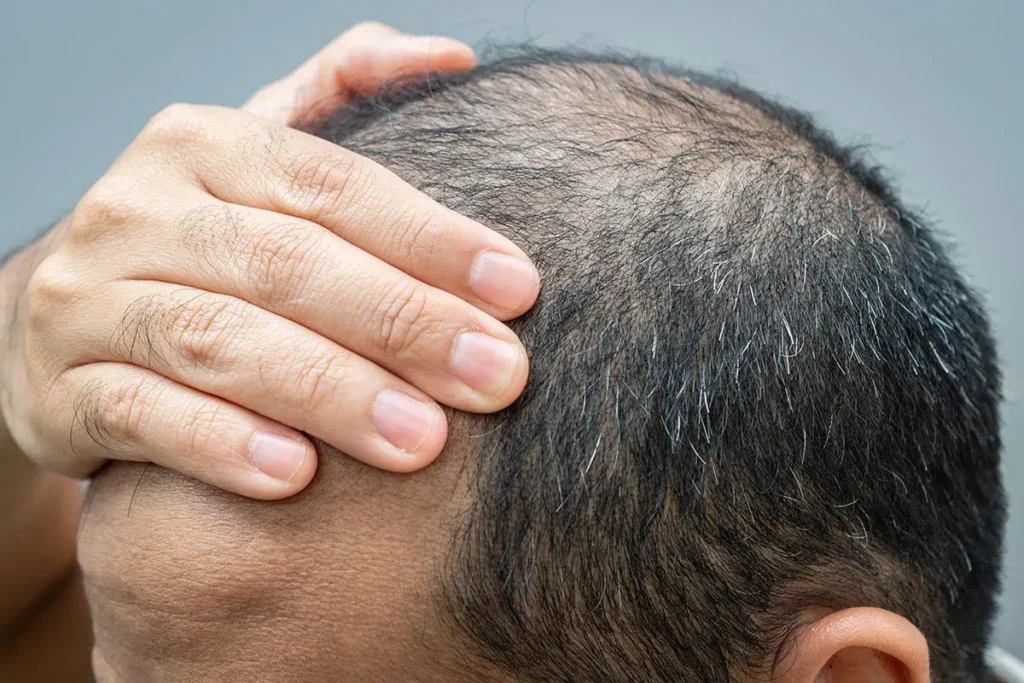
Have you noticed your hair becoming thinner and more fragile? The answer might lie not in expensive treatments, but in a fundamental mineral your body desperately needs.
Magnesium is key for healthy hair growth. It helps with protein making, blood flow, and follicle health. Medical Expert.
Not enough magnesium can mess up the hair growth cycle. This can weaken follicles and cause more hair to fall out. At GoldCity Center, we focus on finding and fixing health problems with science-backed methods and care that puts patients first.
Key Takeaways
Magnesium is essential for healthy hair growth and maintenance.
Low magnesium levels can lead to hair loss and thinning.
Maintaining healthy magnesium levels is key to preventing hair loss.
Magnesium deficiency is a common issue that can affect hair health.
Correcting magnesium deficiency can promote stronger, healthier hair.
The Role of Magnesium in Hair Health
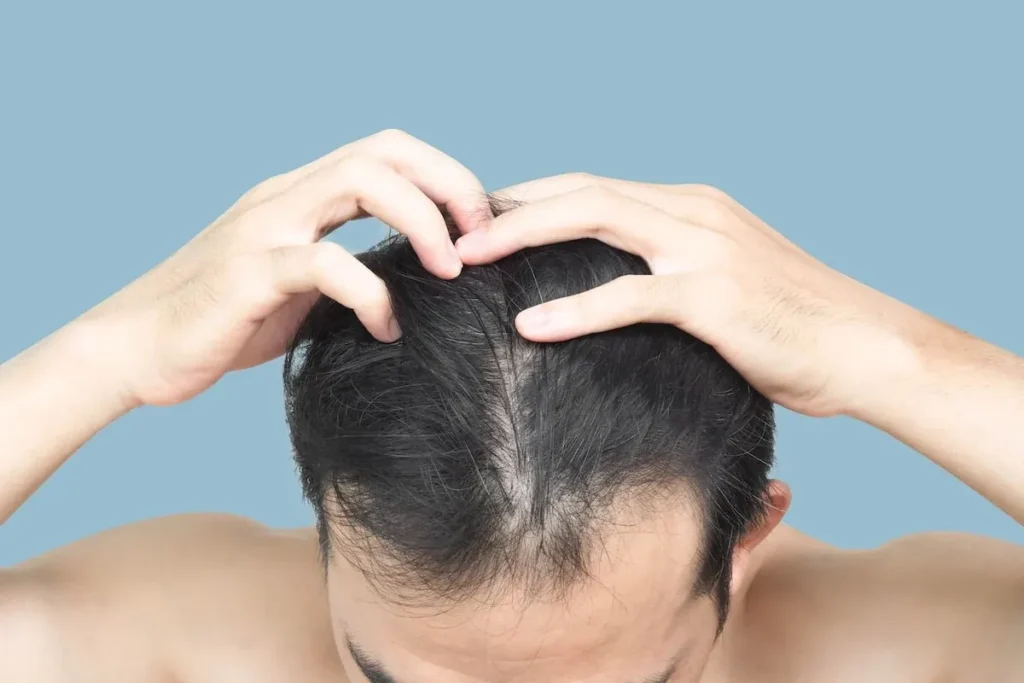
Magnesium is key for hair growth and preventing loss. It helps in many ways that are good for hair health.
How Magnesium Supports Hair Growth
Magnesium helps with protein synthesis, which is vital for hair. Hair is mostly protein, and magnesium aids in making the proteins needed for healthy follicles. It also helps with energy production in cells, giving hair follicles the energy they need to grow.
Magnesium also keeps calcium levels right around the follicles. Too much calcium can stop blood flow to the scalp, leading to hair loss. With magnesium, hair follicles get the nutrients and oxygen they need.
Magnesium’s Impact on Blood Circulation and Follicle Function
Good blood flow is key for hair follicles to get oxygen and nutrients. Magnesium makes blood vessels relax, improving circulation. This means hair follicles get what they need for growth.
This relaxation also helps reduce stress-related hair loss.
In summary, magnesium is very important for hair health. It helps with protein making, energy, and blood flow. Having enough magnesium can help hair grow and prevent loss.
Magnesium Deficiency Hair Thinning: Research and Evidence
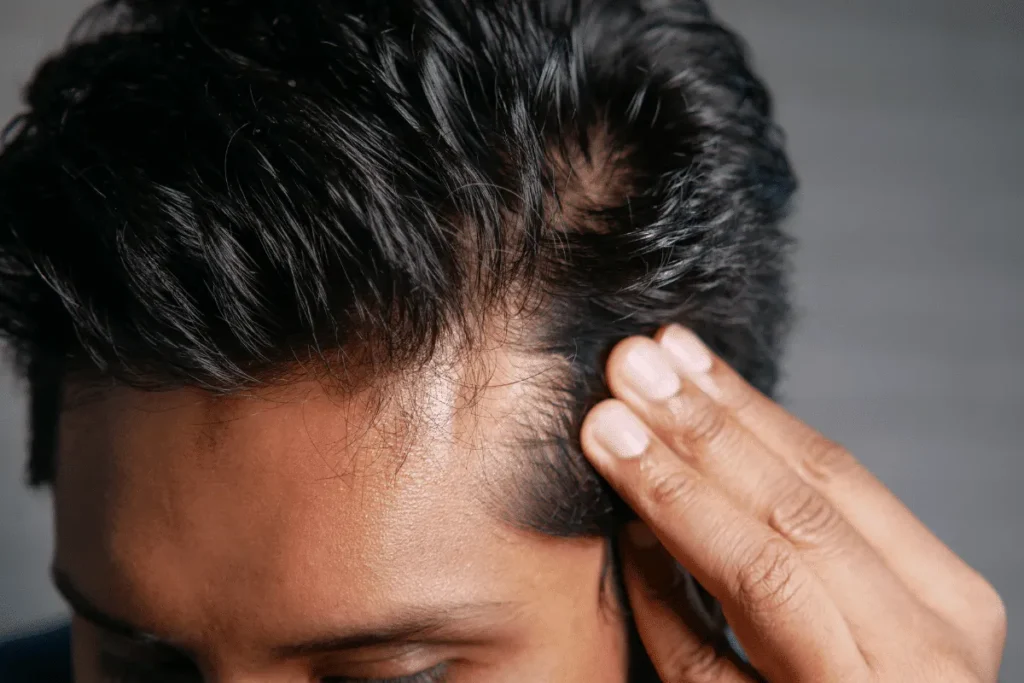
Studies have found that magnesium deficiency can cause hair loss and thinning, mainly in women. About 46.1% of women with unexplained hair loss have low magnesium levels. Fixing this can make hair loss better.
A study found that women with low magnesium saw a 69.1% drop in hair loss after taking 96 mg daily for two months. This shows how key magnesium is for hair growth.
Statistical Connection Between Low Magnesium and Hair Loss
Research shows a clear link between low magnesium and hair loss. People with magnesium deficiency tend to lose more hair.
How Magnesium Deficiency Disrupts the Hair Growth Cycle
Magnesium is vital for hair growth. Without enough, the hair cycle gets disrupted, causing hair loss and thinning. Magnesium helps hair follicles work right, and without it, hair grows slower and sheds more.
The hair cycle has three phases: anagen, catagen, and telogen. Low magnesium can upset these phases, leading to more hair loss. Keeping magnesium levels up is key for healthy hair growth.
Magnesium’s Relationship with Androgenetic Alopecia and Inflammation
Androgenetic alopecia, or pattern baldness, is common and linked to magnesium deficiency. Magnesium’s anti-inflammatory effects can help fight the inflammation that causes this hair loss.
Magnesium citrate, a form of magnesium, helps hair grow. Taking magnesium citrate can help with hair loss caused by magnesium deficiency and androgenetic alopecia.
Addressing Magnesium Deficiency for Healthier Hair
Fixing magnesium deficiency is key to getting healthier, more vibrant hair. Eating foods rich in magnesium is a good start. Green leafy veggies, nuts, and seeds are top choices.
If diet alone isn’t enough, supplements can help. Magnesium glycinate is a top pick because it’s easily absorbed. It’s great for growing hair.
It’s important to know if magnesium helps hair grow and fight loss. Studies show magnesium is vital for hair health. Fixing deficiencies can really make a difference.
Mixing diet changes with professional advice can maximize magnesium’s benefits for hair. This approach strengthens hair and boosts scalp health. It leads to a shiny, healthy-looking hair.
FAQ
Does low magnesium cause hair loss?
Yes, a magnesium deficiency can lead to hair loss. Magnesium is key for hair growth. Without enough, the hair growth cycle can be disrupted, causing thinning and loss.
Which magnesium is best for hair growth?
Magnesium glycinate and magnesium citrate are top choices for hair growth. They are easily absorbed and effective.
Can magnesium deficiency cause hair loss?
Yes, a magnesium deficiency can cause hair loss. It disrupts the hair growth cycle and affects protein synthesis. This can lead to thinning and loss of hair.
Can magnesium help with hair loss?
Yes, magnesium can help with hair loss. It promotes hair growth, improves blood flow, and keeps follicles healthy. Getting enough magnesium through diet or supplements supports hair health.
Can too much magnesium cause hair loss?
While magnesium is good for hair, too much can be bad. Hair loss is not usually caused by high magnesium levels. It might be due to an imbalance or interaction with other nutrients.
Is magnesium good for hair growth?
Yes, magnesium is great for hair growth. It helps with protein synthesis, energy production, and keeps follicles healthy. This supports a healthy hair growth cycle.
How does magnesium impact hair thinning?
Magnesium deficiency can cause hair thinning. It disrupts the hair growth cycle and affects follicle function. Getting enough magnesium can help prevent hair thinning.
What is the relationship between magnesium and hair?
Magnesium is vital for hair health. It supports hair growth and keeps follicles healthy. A magnesium deficiency can cause hair loss and thinning. Adequate intake promotes healthy hair.
References
National Center for Biotechnology Information. Evidence-Based Medical Insight. Retrieved from https://pubmed.ncbi.nlm.nih.gov/28879196/





