
Noticing a change in the hair on your legs can be concerning. Leg hair loss is more common than you think, affecting a significant portion of the population, including both men and women.
Patchy leg hair female causes explained. Learn essential facts and discover powerful ways to restore smooth, healthy hair growth on your legs.
Various factors contribute to this condition, including hormonal imbalances, poor circulation, and friction. Understanding the underlying cause is key to addressing the issue effectively.
At GoldCity Center, a patient-centered approach is adopted to tackle such concerns. By identifying the root cause, individuals can take the first step towards unlocking their inner glow and embracing their natural beauty.
Key Takeaways
Hormonal imbalances can contribute to hair loss on legs.
Poor circulation is a significant factor in leg hair loss.
Friction can cause hair loss, mainly in certain areas.
Leg hair loss affects both men and women.
Understanding the cause is essential for effective management.
Understanding Leg Hair Loss
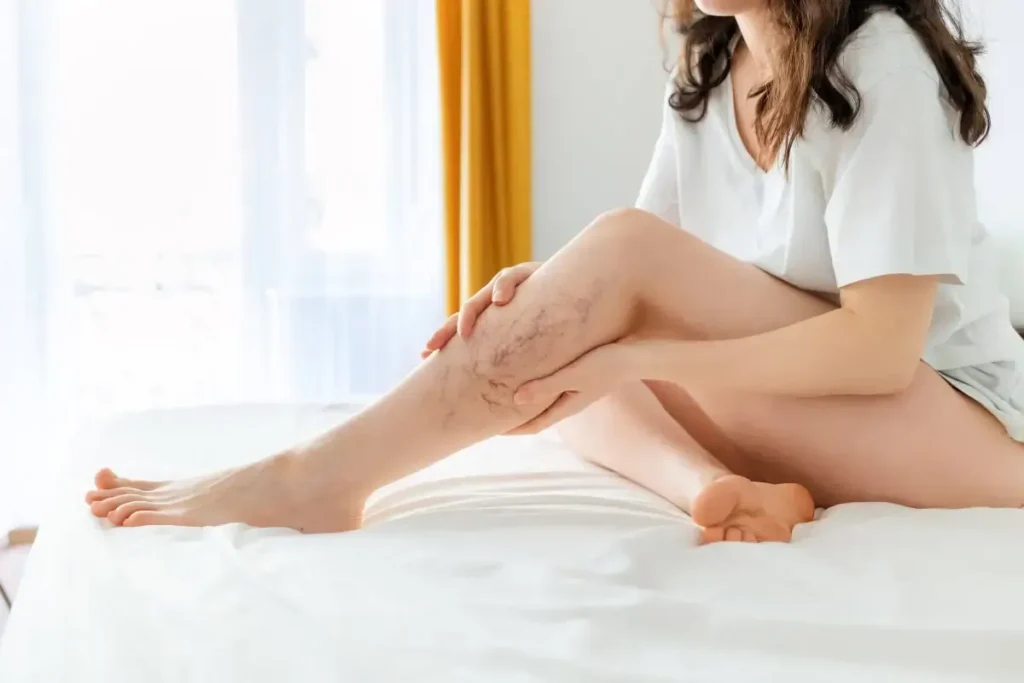
Anterolateral leg alopecia is a condition where people lose hair on their legs. It mainly affects the front and sides of the legs. This leads to a noticeable thinning of hair in these areas.
What is Anterolateral Leg Alopecia?
Anterolateral leg alopecia is a specific hair loss condition on the legs. It is more common in men, mainly in middle age. People with this condition notice hair loss on the front and sides of their legs.
Prevalence and Patterns
Studies show that about 35% to 40% of middle-aged men have anterolateral leg alopecia. This highlights the need to understand its causes and treatments. The way hair loss happens can vary, from gradual thinning to sudden loss.
Knowing about anterolateral leg alopecia helps people understand their hair loss better. While it’s more common in men, anyone can experience it, regardless of gender.
Causes of Patchy Leg Hair in Females and Males
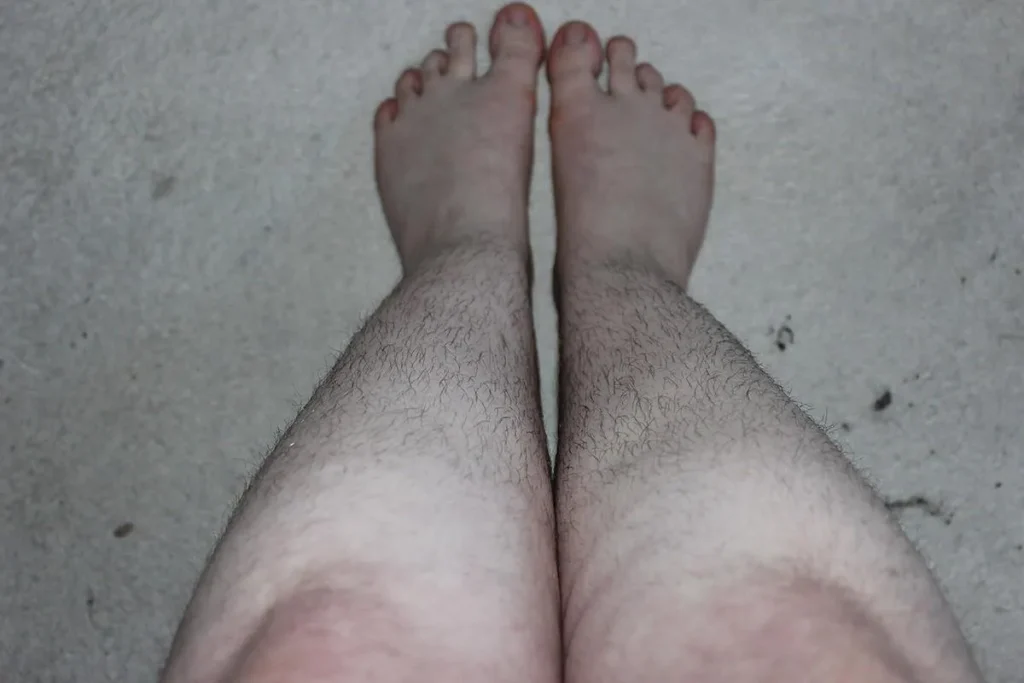
Leg hair loss, or anterolateral leg alopecia, is common. It’s caused by hormonal imbalances and medical conditions. Knowing the causes helps find the right solution.
Hormonal Factors
Hormonal imbalances are a big reason for hair loss on the legs. Menopause or thyroid problems can change how hair grows.
Menopause: Lower estrogen levels in menopause can make leg hair thinner or less dense.
Thyroid Dysfunction: Both underactive and overactive thyroid can change hair growth, including on the legs.
Keeping hormones balanced is important to stop hair loss. Clinically proven treatments can help restore balance and promote healthy hair growth.
Medical Conditions
Many medical conditions can cause hair loss on the legs. These include:
Peripheral Artery Disease (PAD): Poor circulation from PAD can cause hair loss on the legs.
Autoimmune Disorders: Conditions like alopecia areata can cause patchy hair loss, not just on the scalp but also on other parts of the body, including the legs.
Skin Conditions: Certain skin conditions, such as eczema or psoriasis, can affect hair growth on the legs.
It’s important to treat these medical conditions early. Early diagnosis and treatment can greatly improve hair growth and overall health.
Diagnosis and Management Options
Getting a proper diagnosis is key to finding the right treatment for leg hair loss. A doctor will look closely to find out why you’re losing hair. This could be due to hormonal issues, medical conditions, or other reasons.
Diagnostic Approaches: Doctors will review your medical history and do a physical check-up. They might also run lab tests to check for hormonal imbalances or other health issues. For example, they might test your thyroid function or look for signs of autoimmune diseases if they think these could be causing your hair loss.
Understanding the Cause is very important. It helps doctors decide how to treat you. If your hair loss is due to hormonal problems, they might give you medication to balance your hormones. If there’s a medical condition causing your hair loss, treating that condition is the first step to help your hair grow back.
Management and Treatment Options depend on what the doctor finds. For hormonal issues, they might prescribe medications to fix the imbalance. If your hair loss is due to alopecia or an autoimmune disease, they might give you immunosuppressive drugs or other treatments to stop your immune system from attacking your hair follicles.
Making healthy lifestyle choices, like eating well and managing stress, can help your hair grow.
They might suggest using minoxidil, a topical treatment, to help your hair grow.
In some cases, they might recommend laser therapy or other advanced treatments.
If you’re losing hair on your legs, it’s important to see a doctor. They can figure out what’s causing it and suggest the best treatment for you.
Conclusion
Leg hair loss might signal a health issue. It’s key to understand the reasons behind it. This knowledge helps in tackling the problem and improving overall health.
Not having hair on your legs or seeing patches can worry you. But, remember, your health and beauty are more important. Instead of focusing on hair loss, think about how to care for your body and shine from within.
Getting a proper diagnosis and treatment can help fix the hair loss issue. This starts your journey to looking and feeling great. It’s about loving your unique beauty and celebrating who you are.
FAQ
What is anterolateral leg alopecia?
Anterolateral leg alopecia is a condition where hair falls out on the legs. It mainly happens on the front and sides. It’s more common in men, affecting about 35% to 40% of middle-aged guys.
Why is the hair on my legs not growing?
Hair on your legs might not grow for many reasons. Hormonal imbalances, medical issues like PAD, and genetics are some causes. Knowing why can help you find a solution.
Is leg hair loss a sign of a serious medical condition?
Yes, sometimes hair loss on the legs can mean there’s a serious health issue. PAD or thyroid problems are examples. Always see a doctor to find out and get treatment.
Can hormonal changes cause hair loss on the legs?
Yes, hormonal changes can lead to hair loss on the legs. This can happen during menopause or due to thyroid issues.
How common is leg hair loss in men and women?
Leg hair loss, or anterolateral leg alopecia, affects both men and women. But it’s more common in men. About 35% to 40% of middle-aged men are affected.
Are there any treatments available for leg hair loss?
Treatments for leg hair loss depend on the cause. Fixing hormonal imbalances, managing health issues, and staying healthy can help.
Can poor circulation cause hair loss on the legs?
Yes, poor circulation, like from PAD, can cause hair loss on the legs. This is because there’s less blood flow to the area.
Is leg hair loss a normal part of aging?
Some hair loss with age is normal. But, if you’re losing a lot of hair on your legs, it might be a sign of a health problem. Always check with a doctor to find out why.
References
National Center for Biotechnology Information. Evidence-Based Medical Insight. Retrieved from https://pubmed.ncbi.nlm.nih.gov/12345678/





