
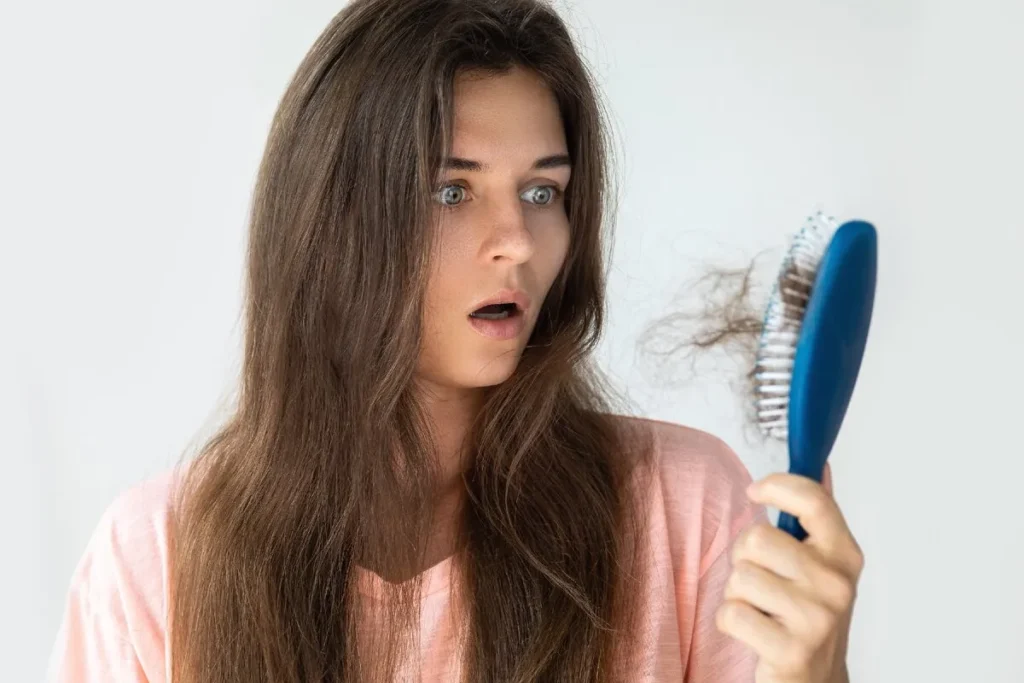
Hair loss isn’t just a men’s issue millions of women experience it too. For those dealing with thinning hair or pattern baldness, it’s natural to wonder if popular medications like Propecia could be a solution.
About 50% of women face hair loss in their lifetime. This makes finding effective treatments very important. While Propecia works well for men, its use in women is debated because it’s not FDA-approved for them.
Exploring female hair loss is complex. We need to ask: Can women safely take Propecia? This article will look into using Propecia for female hair loss. We’ll examine the latest research, benefits, and risks.
Is Propecia for women safe? Learn the powerful new facts and discover if this amazing treatment can stop your thinning hair effectively.
Key Takeaways
Propecia is not FDA-approved for women, despite some positive research findings.
Approximately 50% of women experience hair loss in their lifetime.
Women considering Propecia should be aware of the risks and benefits.
There are other treatment options for women with female pattern hair loss.
A dermatology team can offer personalized treatment plans based on evidence.
Understanding Female Pattern Hair Loss
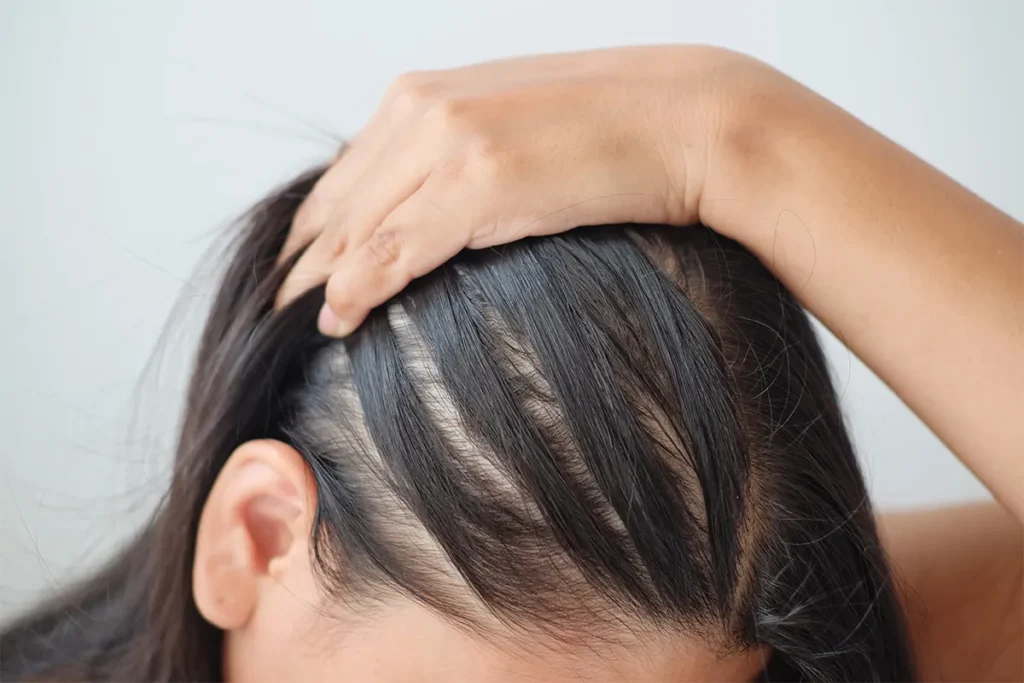
About fifty percent of women deal with female pattern hair loss at some point. It’s a big issue. Unlike men, women’s hair loss follows a different pattern and has different causes.
Prevalence and Causes
Many things affect female pattern hair loss, not just DHT. Hormones like estrogen, thyroid levels, and overall hormone balance play a role. This makes treating it harder.
Studies show that hormonal imbalances, thyroid problems, and genetics can cause women’s hair loss. Knowing these causes is key to finding the right treatment.
How Female Hair Loss Differs from Male Pattern Baldness
Male pattern baldness is mainly caused by DHT. But female hair loss is different. It leads to thinning all over the scalp, not just a receding hairline or bald spots.
Treatment plans for women need to be unique. They must consider each woman’s health and needs. Knowing these differences is vital for finding the best treatments.
When looking at treatments for female hair loss, we must think about medicines like Propecia. We also need to consider other treatment options.
Propecia for Women: Efficacy and Research Findings
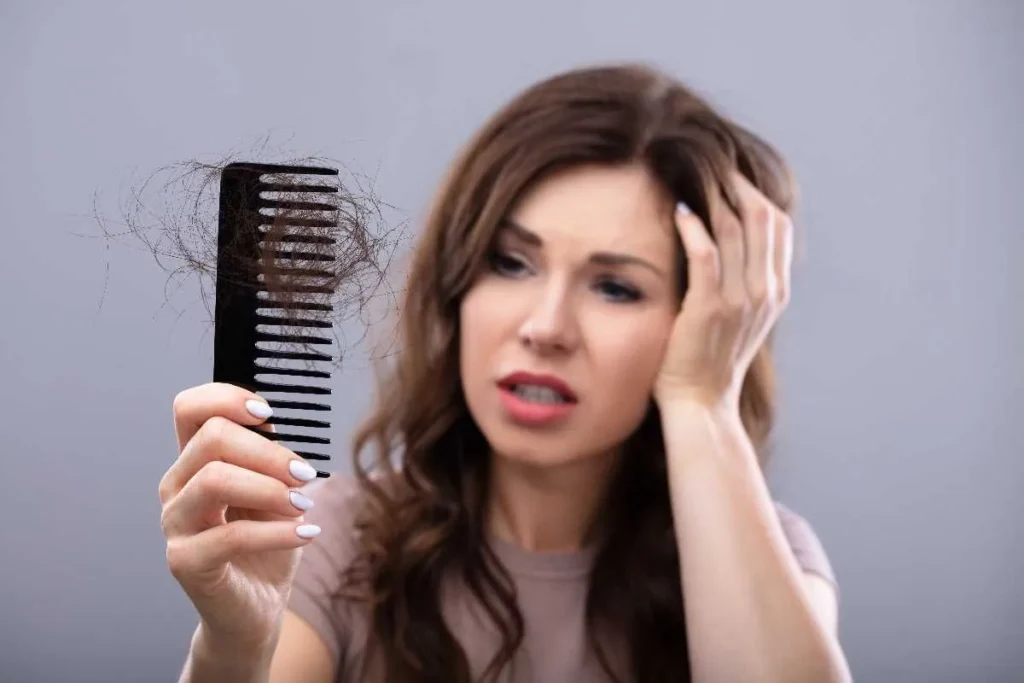
More women are losing their hair, leading to interest in Propecia. Female pattern hair loss affects millions, causing emotional pain and low self-esteem.
Current FDA Approval Status
Propecia, or finasteride, is not approved by the FDA for women, mainly those who might get pregnant. Yet, some doctors prescribe it for female hair loss off-label.
Dosage Effectiveness: Why 1mg vs. 2.5-5mg Matters
Research shows the 1mg dose of Propecia works for men but not as well for women. Higher doses of 2.5 to 5 mg daily might help more women.
Increased hair density: Some women see thicker hair.
Slowing of shedding: Finasteride may slow hair loss.
Variable efficacy: Results differ greatly among women.
Clinical Results in Postmenopausal and High-Androgen Women
Studies have looked at postmenopausal women and those with high androgen levels. They found finasteride can significantly improve hair density and reduce shedding in these groups.
Using Propecia in women, like these groups, shows the need for tailored treatments. Despite the FDA’s stance, research continues to explore finasteride’s benefits and risks for female hair loss.
Safety Concerns and Side Effects in Female Patients
When thinking about Propecia for female hair loss, it’s key to look at safety and side effects. Propecia works well for many men but has big safety worries for women, mainly those who can get pregnant.
Serious Pregnancy Risks and Contraindications
Finasteride can cause serious birth defects in male babies. This is why it’s not safe for women who are pregnant or might get pregnant. Women who can get pregnant should not touch broken Propecia tablets to avoid harming a male fetus.
Common Adverse Reactions in Women
Women taking Propecia might face other issues too. Side effects include headache, decreased libido, irregular menstrual cycles, breast tenderness, and mood changes. These can affect how well a woman feels during treatment.
Topical Finasteride: A Potentially Safer Alternative
Researchers are looking into topical finasteride as a safer choice. It’s applied to the scalp, aiming for local effects with less absorption in the body. This might be a safer option for women, reducing the risk of side effects while treating hair loss.
As doctors study different finasteride forms, it’s vital for women to talk to their doctors about Propecia. They should discuss the risks and benefits and look at other treatments. This helps women make smart choices about their hair loss treatment.
Conclusion
Women dealing with hair thinning have hope. There are ways to grow healthy hair. Propecia (finasteride) might not be the only answer for women, due to its side effects and FDA status.
Seeing a hair loss expert is the first step. They can find the cause and create a treatment plan. There are many ways to help hair grow, from medicine to lifestyle changes.
Women can start by learning more and talking to doctors. This can help them find the right treatment for their hair loss. Options like propecia for women’s hair loss are available.
FAQ
Can women safely take Propecia for hair loss?
Propecia might help some women, like those after menopause or with high androgen levels. But, it’s not without risks and controversy due to its FDA status and side effects.
Is Propecia FDA-approved for women?
No, Propecia is not FDA-approved for women. This means we need more research to understand its benefits and risks for women.
What are the benefits of Propecia for women?
Studies show finasteride can improve hair density and reduce shedding in women. This is true for postmenopausal women or those with high androgen levels.
What are the risks of Propecia for women?
Women of childbearing age should avoid Propecia due to birth defect risks in male fetuses. Common side effects include headaches, breast tenderness, and mood changes.
Are there safer alternatives to Propecia for women?
Yes, topical finasteride might be safer. It works locally and has less systemic absorption. This could lead to fewer side effects and more targeted treatments.
Can women take finasteride for hair loss?
Finasteride might help with female hair loss. But, it’s important to talk to a healthcare provider first. This is because of possible side effects and the need for personalized care.
Is finasteride safe for women of childbearing age?
No, finasteride is not safe for women of childbearing age. It poses serious risks to male fetuses. Healthcare providers must carefully consider the risks and benefits.
What are the common side effects of finasteride in women?
Women may experience headaches, breast tenderness, and mood changes. These side effects highlight the need for close monitoring and discussion with healthcare providers.
References
National Center for Biotechnology Information. Evidence-Based Medical Insight. Retrieved from https://pmc.ncbi.nlm.nih.gov/articles/PMC8137337/





