
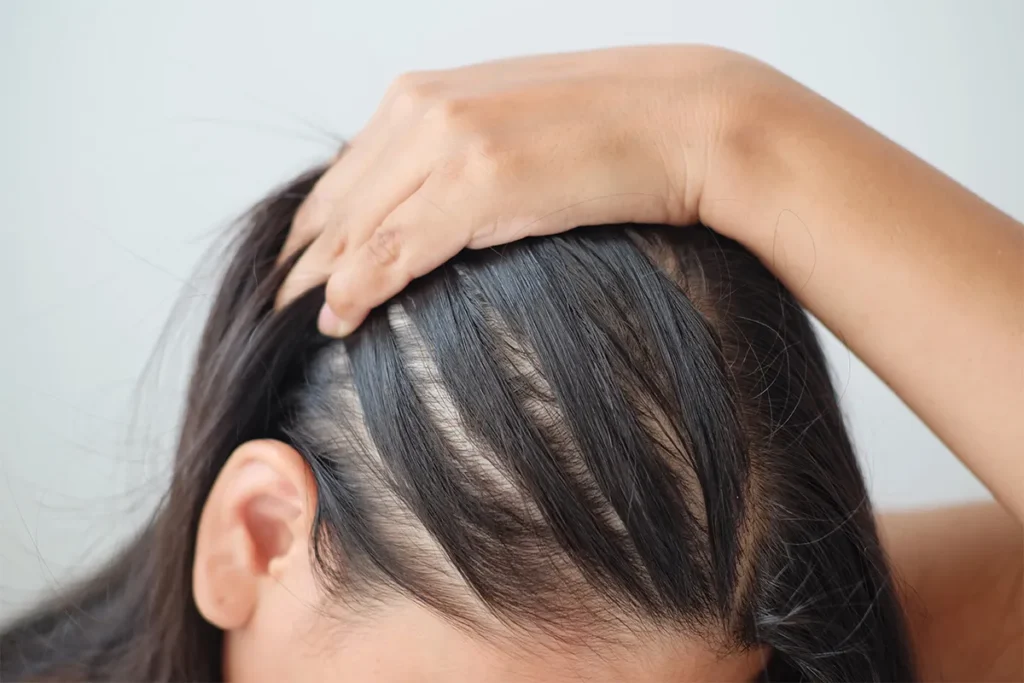
Are you noticing more hair loss than usual? Hair thinning can develop gradually, making early recognition challenging yet essential. According to Medical Expert, “Balding doesn’t happen overnight—it’s a gradual process, often accompanied by subtle signs that can be easy to miss.”
Identify signs of hair thinning early with these powerful tips. Get amazing results and restore your hair’s volume with expert advice.
Understanding the early indicators of hair thinning is key for effective intervention. About 85% of men and 33% of women experience hair loss at some point. Recognizing these warning signs today can help preserve your hair health.
At GoldCity Center, we combine international medical standards with patient-centered care. We help you address hair loss concerns with confidence and expert guidance.
Key Takeaways
Early recognition of hair thinning is key for effective treatment.
Hair loss affects a significant portion of the global population.
Timely intervention can lead to better treatment outcomes.
GoldCity Center offers expert guidance and patient-centered care.
Understanding the signs of hair loss empowers you to take action.
Understanding Hair Loss: Statistics and Importance
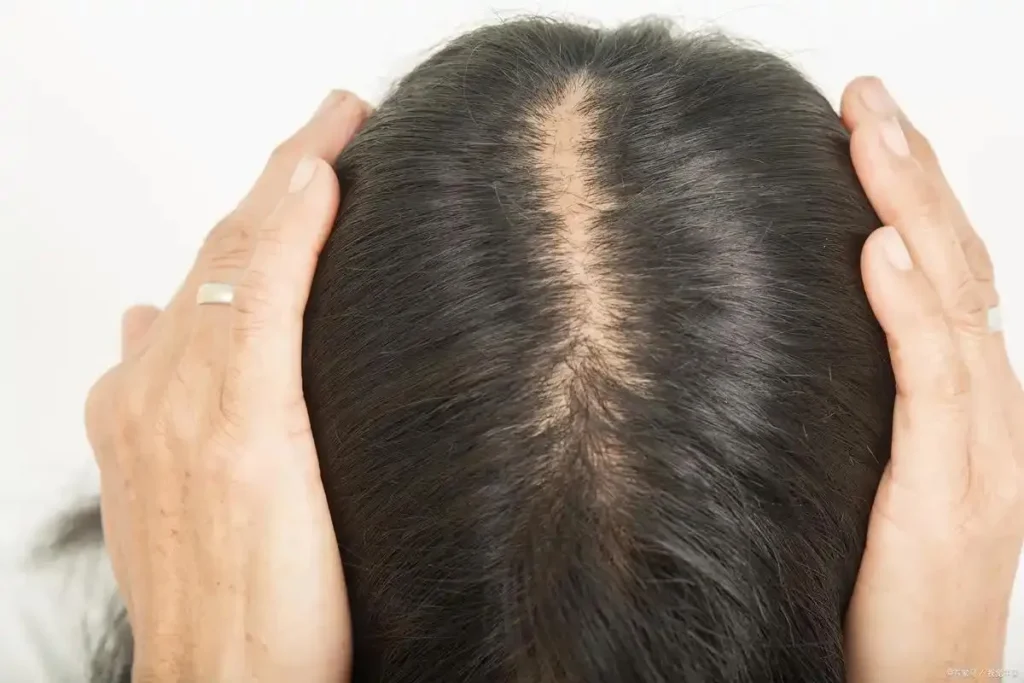
Hair loss statistics show a huge number of people affected. This highlights the need for awareness and early detection. It’s a common issue that affects many, with different patterns seen in different age groups and populations.
Hair Loss Prevalence Across Demographics
Hair loss affects both men and women, but in different ways. Men often see male pattern baldness, which follows a clear pattern. By age 35, about two-thirds of American men start to notice hair thinning or a receding hairline. Women, on the other hand, may see female pattern hair loss, which looks different.
Medical Expert, “For men, the most common type is male pattern baldness (androgenetic alopecia), which follows a predictable pattern. Women, on the other hand, may experience female pattern hair loss, which presents differently.” This shows why it’s key to know the specific patterns of hair loss for different groups.
Why Early Detection Improves Treatment Outcomes
Spotting hair loss early is key for good treatment. Early detection means treatments are more likely to work. This can lead to regrowth and less hair loss.
Early detection not only improves treatment efficacy but also enhances the chances of regrowth. By catching hair thinning early and acting fast, people can greatly improve their treatment results.
Common Signs of Hair Thinning to Monitor
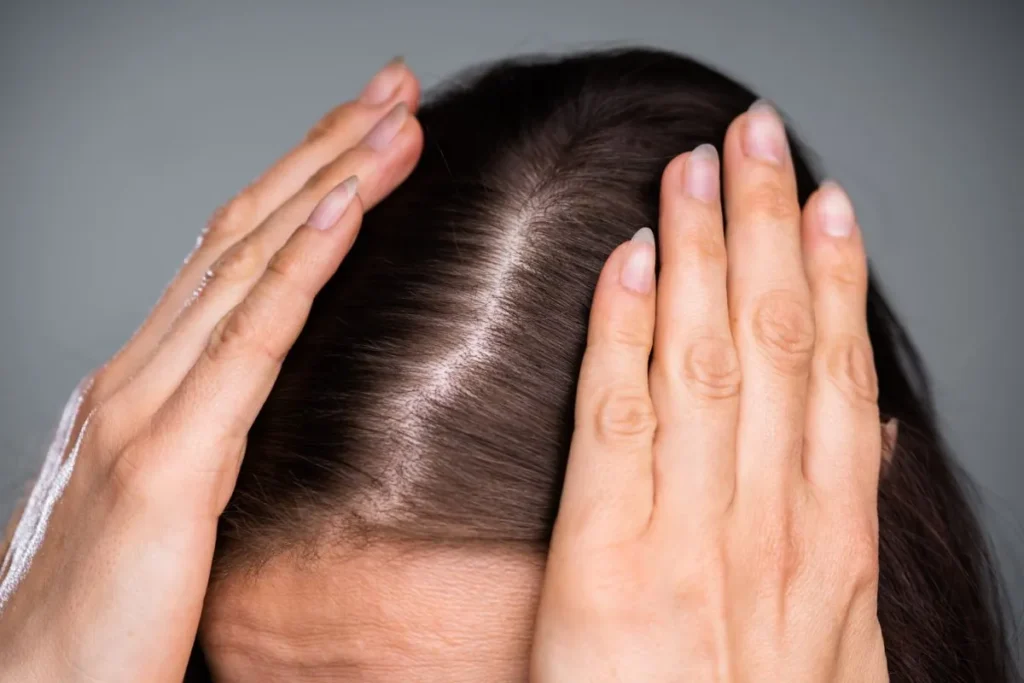
Hair thinning often shows itself in several key ways. It’s important to spot these signs early. This way, you can act fast to stop hair loss.
Excessive Daily Hair Shedding Beyond Normal Limits
It’s okay to lose some hair every day. But, if you’re shedding a lot more, it might be a problem. Medical Expert, “While losing 50-100 hairs daily is normal, too much could mean you’re losing your hair.” Watching how much hair you lose each day can tell you if it’s more than usual.
Check your brush or comb after use to gauge the amount of hair lost.
Notice if there’s an unusual amount of hair on your pillow or in the shower.
Be aware of hair loss during daily activities like washing or styling.
Visible Scalp and Reduced Density
A visible scalp means you’re losing hair density. This is often seen at the crown or temples. Keeping your scalp healthy is key for hair growth.
Receding Hairline Patterns
A receding hairline is a clear sign of hair thinning. It can happen to both men and women, but patterns vary. Spotting these patterns early helps tackle the problem.
Observe if your hairline is receding in a typical M-shape or other patterns.
Check for any thinning around the temples.
Widening Part Line
A wider part line is another sign of hair thinning. As hair density drops, the scalp shows more, making the part line wider.
Compare your current part line width with previous observations.
Notice any changes in how your hair falls or lies on your scalp.
Additional Signs of Hair Thinning and Contributing Factors
Some signs of hair thinning are well-known, but others are subtle. Hair thinning is complex, influenced by genetics, hormonal changes, and lifestyle stressors.
Changes in Hair Texture and Volume
Changes in hair texture and volume are often overlooked signs of thinning. Hair may become finer, softer, or more prone to breakage. This is due to hair follicles shrinking, reducing hair volume.
Changes in hair texture can be an early warning sign of thinning. Watching for these changes can help spot hair loss early.
Thinning at the Crown Area
Thinning at the crown area is a key indicator of hair loss. This area is prone to balding in both men and women. Early thinning can progress if not treated.
Early detection is key to managing hair thinning. Spotting signs early helps in taking preventive steps.
Slower Hair Growth and Increased Breakage
A slower rate of hair growth and increased breakage signal hair thinning. As follicles shrink, growth slows, and hair breaks more easily.
Managing stress through exercise or mindfulness helps.
Stress-Related Hair Loss Symptoms
Stress significantly contributes to hair loss, affecting women more. Managing stress is key to protecting hair health.
Understanding these signs and factors helps individuals take action against hair thinning. This promotes healthier hair.
Conclusion: When to Seek Professional Help
It’s important to know when to get help for hair thinning. Early action can lead to better results with treatments. This makes it key to catch hair loss early.
Medical Expert, “The sooner you spot balding signs, the more ways you can fight it. Early treatments work best before hair follicles stop working for good.” If you see hair thinning, seeing a hair loss expert is a good step. They can offer many treatment choices.
These choices include medicines, lifestyle changes, new therapies, and surgery. They aim to stop hair loss and even grow back lost hair. Knowing the signs of hair loss and getting help fast can greatly improve your hair health.
FAQ
What are the early signs of hair thinning?
Early signs include a lot of hair falling out each day. You might also see your scalp more because of less hair. A receding hairline and a wider part line are other signs.
Changes in hair texture and volume are also clues. Thinning at the crown, slower hair growth, and more breakage are signs too.
How prevalent is hair loss among men and women?
Hair loss is common worldwide. About 85% of men and 33% of women experience it at some point.
Why is early detection of hair loss important?
Catching hair loss early is key. It leads to better treatment results and more hair growth. Early action helps manage hair loss better.
Can stress contribute to hair loss?
Yes, stress plays a big role in hair loss. Managing stress is important for addressing thinning hair.
What should I do if I notice signs of hair thinning?
If you see signs of thinning, see a hair loss specialist. They offer many treatments, from meds to surgery. They’ll find the best plan for you.
What are the treatment options available for hair loss?
There are many treatments for hair loss. These include meds, lifestyle changes, and surgery. A specialist will choose the best option for you.
Are there any changes in hair texture associated with hair thinning?
Yes, hair thinning can change hair texture and volume. Hair might become finer, softer, or break more easily.
How does hair thinning affect the crown area?
Thinning at the crown is common, mainly in women. It makes the scalp more visible and reduces hair density.
References
National Center for Biotechnology Information. Evidence-Based Medical Insight. Retrieved from https://www.ncbi.nlm.nih.gov/pmc/articles/PMC3972469/





