
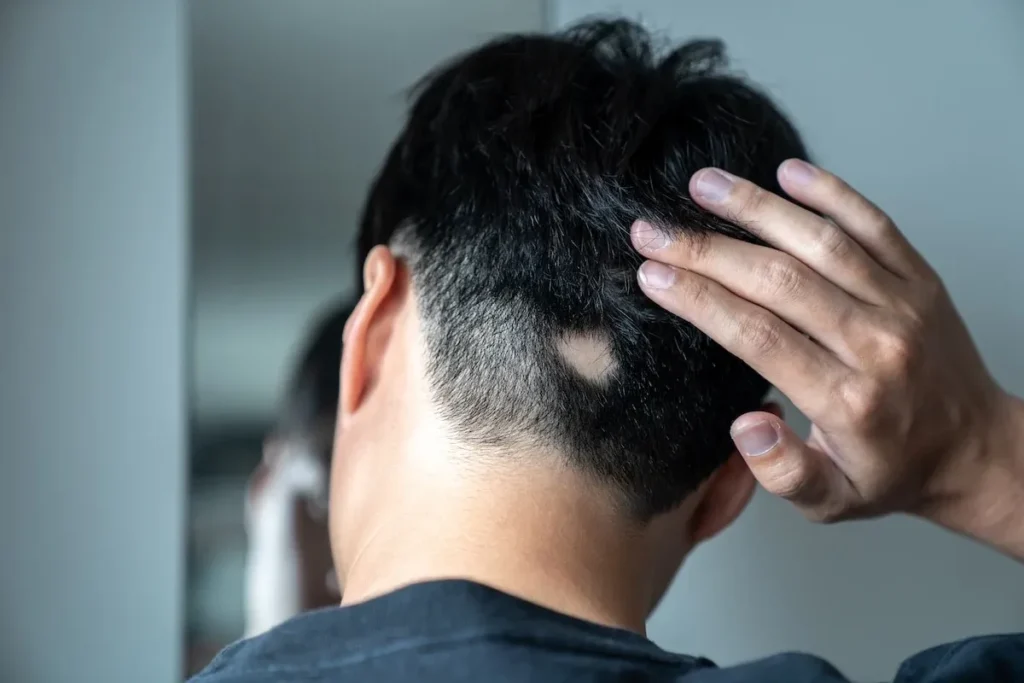
Alopecia areata is an autoimmune condition that causes hair loss. It affects millions of people worldwide. They are looking for effective solutions. Research shows a strong link between vitamin deficiencies and alopecia areata.
At Liv Hospital, we know treating alopecia areata needs a full approach. We focus on nutrition too. Vitamin D is key for healthy hair growth. Using these vitamins can change how we fight hair loss.
By focusing on key vitamins, we can fight alopecia areata better. Our journey starts with understanding how these nutrients help our hair.
Find the best vitamins for alopecia areata today. Discover powerful nutrients that offer amazing relief and help regrow your hair quickly.
Key Takeaways
Vitamin D deficiency is linked to alopecia areata development and severity.
Nutritional factors play a critical role in maintaining healthy hair growth.
Comprehensive treatment approaches can help combat hair loss.
Certain vitamins are essential for individuals with alopecia areata.
Empowering individuals with knowledge of these vitamins can aid in their fight against hair loss.
Understanding Alopecia Areata and Nutritional Deficiencies

Alopecia areata is a complex autoimmune condition that affects millions worldwide. It causes unpredictable hair loss. The immune system mistakenly attacks the hair follicles, leading to hair loss that can range from small patches to complete baldness.
What is Alopecia Areata?
Alopecia areata starts suddenly, often without warning. The exact cause is unknown, but it’s thought to be a mix of genetics and environmental factors. Understanding the condition is key to finding treatments, including vitamins and nutrients.
How Vitamin Deficiencies Affect Hair Follicles
Vitamin deficiencies, like Vitamin D, are linked to alopecia areata. People with alopecia areata often have lower Vitamin D levels. This suggests a link between Vitamin D deficiency and hair loss severity. Vitamin D is important for healthy hair follicles and hair growth cycles.
Nutritional deficiencies can make alopecia areata worse by weakening the immune system and disrupting hair growth. It’s important to eat enough vitamins and minerals to keep hair healthy and possibly reduce alopecia areata effects.
The Role of Immune Function in Hair Loss
The immune system mistakenly targets hair follicles in alopecia areata. Nutrients like Vitamin D that support immune function are key in managing the condition. Understanding how nutritional deficiencies and immune function interact helps manage alopecia areata better.
Eating a balanced diet rich in essential nutrients is important for overall health. It may also help reduce alopecia areata severity. As research finds more links between nutrition and autoimmune conditions, the role of a nutrient-rich diet in managing alopecia areata becomes clearer.
Vitamin D: The Primary Defender Against Hair Loss
Vitamin D is key in fighting hair loss linked to alopecia areata. It’s a fat-soluble vitamin that helps hair grow and keeps the immune system balanced. Studies show that not having enough vitamin D can lead to hair loss, making it vital in the battle against alopecia areata.
Research Evidence on Vitamin D and Alopecia
Many studies have looked into vitamin D and alopecia areata. They found that people with alopecia areata often have lower vitamin D levels. Also, taking vitamin D supplements can help hair grow back and lessen alopecia areata symptoms.
A study in the Journal of Clinical and Aesthetic Dermatology found that vitamin D levels were much lower in those with alopecia areata. This supports the idea that vitamin D is important for healthy hair follicles and preventing hair loss.
How Vitamin D Regulates Hair Growth Cycles
Vitamin D helps control the hair growth cycle, which has three phases: anagen, catagen, and telogen. Vitamin D promotes the anagen phase, where hair grows, and stops the catagen phase, where follicles shrink.
This way, vitamin D keeps hair growing well and stops too much shedding. Having enough vitamin D is key for hair follicles to work right, lowering the chance of hair loss from alopecia areata.
Optimal Vitamin D Levels for Hair Health
It’s important to keep vitamin D levels right for hair health and to avoid hair loss. The best range for vitamin D is between 30 and 50 ng/mL. People with low vitamin D might need supplements to get to the right level.
Other ways to boost vitamin D include getting more sun, eating foods rich in vitamin D, and eating a balanced diet. By keeping vitamin D levels in check, people can help their hair grow well and lower the risk of hair loss from alopecia areata.
4 More Essential Vitamins for Alopecia Areata
Managing alopecia areata is not just about Vitamin D. Other vitamins and minerals are also key. Understanding how different nutrients help hair health is important.
Zinc: Immune Regulation and Follicle Recovery
Zinc is a vital mineral for the immune system and hair follicles. It helps keep the immune system in check, which is often weak in those with alopecia areata. Zinc supplements can help hair grow back and lessen alopecia areata’s severity.
Zinc deficiency can cause hair loss and slow wound healing. It’s important to get enough zinc through food or supplements for those with alopecia areata.
B-Complex Vitamins: Cellular Energy for Hair Growth
B-complex vitamins are important for energy and nerve health. They are also key for hair follicle health, promoting growth and reducing hair loss.
Lack of B vitamins, like Biotin (B7), can cause hair loss and skin issues. Adding B-complex vitamins to your diet can support hair health and overall well-being.
Vitamin E: Antioxidant Protection for Follicles
Vitamin E is a strong antioxidant that protects cells from damage. This vitamin is critical for hair follicle health and growth.
Vitamin E reduces oxidative stress, helping create a good environment for hair to grow. Eating foods rich in Vitamin E can support hair follicle health.
Vitamin C: Collagen Support and Iron Absorption
Vitamin C is important for collagen production, which is in skin, hair, and nails. It also helps iron absorption, which is key for healthy hair growth.
Not enough Vitamin C can harm collagen production and increase hair loss risk. It’s important to get enough Vitamin C for healthy hair and follicle health.
Conclusion: Implementing Vitamins in Your Alopecia Treatment Plan
Unlock your hair’s full growth by adding key vitamins to your treatment plan. Studies show that vitamin D deficiency can make hair loss worse. Fixing these gaps can help your hair grow back and prevent more loss.
Eating well with vitamins D, B-complex, E, and C, plus zinc, can help your hair cycle and boost your immune system. If you’re losing a lot of hair, trying a kashmir hair system might help too.
Remember, not enough vitamin D can lead to hair loss. Keeping your levels right is key. By choosing the right foods and supplements, you can improve your hair health. Start your journey to a fuller, healthier head of hair today.
By mixing these vitamins and nutrients with a full treatment plan, you can elevate your routine. Get the shiny, healthy hair you’ve always wanted. Don’t let alopecia areata stop you – start your hair recovery journey now.
FAQ
What is the link between vitamin D and alopecia areata?
Vitamin D is key in controlling hair growth cycles. It also helps fight hair loss from alopecia areata. Keeping vitamin D levels right is important for hair health.
Can low vitamin D cause hair loss?
Yes, not having enough vitamin D can lead to hair loss. This includes alopecia areata. Getting enough vitamin D helps hair grow and lowers hair loss risk.
What are the best vitamins for alopecia areata?
Vitamins like zinc, B-complex, vitamin E, and C are great for fighting alopecia areata. They help with immune function, energy, antioxidants, and collagen.
How do vitamin deficiencies affect hair follicles?
Lack of vitamins can mess up hair growth cycles. This leads to hair loss and alopecia areata issues. Good nutrition is key for healthy hair follicles.
Are there any specific vitamins that can help with hair regrowth?
Yes, vitamins D, B-complex, and C help hair grow back. They support follicle health and regulate growth cycles.
Can vitamin supplements help with alopecia areata treatment?
Vitamin supplements can help hair health. But, they should be part of a full treatment plan. Always talk to a healthcare pro first.
How does vitamin D regulate hair growth cycles?
Vitamin D helps hair follicles work right. This leads to healthier, stronger hair growth.
What is the role of immune function in hair loss?
Immune function is big in hair loss, like in alopecia areata. Vitamins D and zinc help with immune health. This can reduce hair loss.
References
Lalosevic, J., Gajic-Veljic, M., & Nikolic, M. (2023). Serum zinc concentration in patients with alopecia areata. Acta Dermatovenerologica Alpina, Pannonica, et Adriatica, 32(3), 113–117. https://pmc.ncbi.nlm.nih.gov/articles/PMC10561101/

