If you’re wondering how long does it take to recover from hair transplant, the answer depends on several factors, including the technique used, the size of the graft area, and individual healing rates. Understanding the typical recovery timeline helps you plan your daily activities, manage expectations, and achieve the best possible hair transplant results. In the first week, most patients experience mild discomfort, while the next few weeks involve gradual shedding of transplanted hairs and the emergence of new growth. This article walks you through each phase, offers practical care tips, and highlights what to expect at every stage of the healing journey.
Hair restoration is not just a surgical event; it is a process that blends medical precision with post‑operative care. By familiarizing yourself with the phases—from the immediate post‑operative period to the long‑term growth cycle—you can support optimal graft survival and minimize complications. Whether you are considering Follicular Unit Extraction (FUE) or a traditional strip method, knowing the recovery milestones empowers you to make informed decisions and enjoy a smoother experience.
Below, we break down the recovery timeline, address common concerns, and provide evidence‑based recommendations to help you navigate the path to a fuller, natural‑looking hairline.
Immediate Post‑Operative Phase (Days 0–3)
The first 72 hours after a hair transplant are crucial for graft stability. During this period, patients typically experience mild soreness, swelling around the donor and recipient sites, and a feeling of tightness on the scalp. The surgeon may place a light dressing or protective cap to shield the grafts from accidental dislodgement.
- Keep the head elevated while sleeping to reduce swelling.
- Apply prescribed topical antibiotics or anti‑inflammatory creams as directed.
- Avoid touching or rubbing the transplanted area.
Most patients can return to light office work within the first two days, but strenuous activities, heavy lifting, and intense cardio should be postponed until at least day four to prevent increased blood pressure that could jeopardize graft adherence.
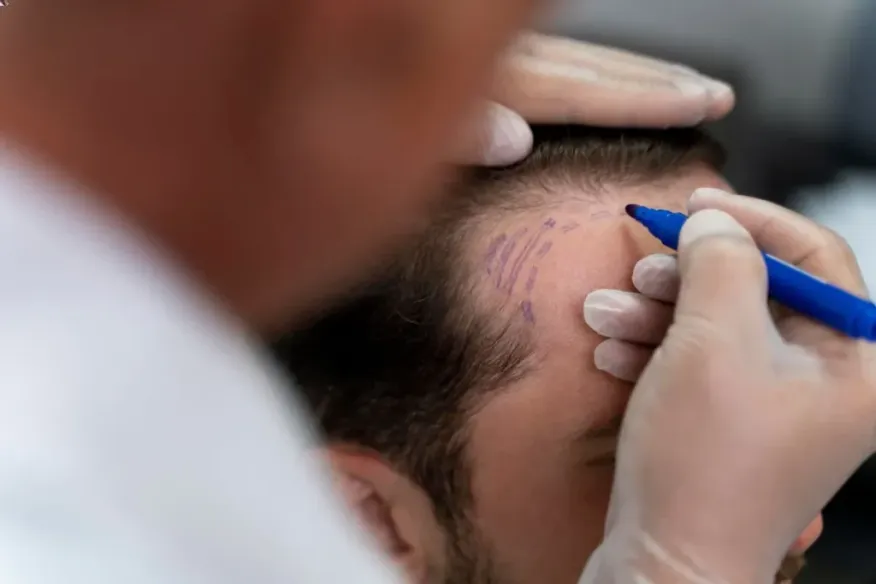
Early Healing and Scab Formation (Days 4–14)
During the second week, the scalp begins to form tiny scabs around each transplanted graft. These crusts are a normal part of the healing process and typically fall off on their own within 10–14 days. It is essential to keep the area clean without disrupting the delicate scabs.
Care Routine
| Day | Recommended Action |
|---|---|
| Days 4–7 | Gentle shampoo using a mild, sulfate‑free cleanser; avoid vigorous scrubbing. |
| Days 8–10 | Apply a soothing aloe‑based spray to reduce itchiness. |
| Days 11–14 | Continue gentle washing; monitor for any signs of infection such as excessive redness or pus. |
Patients often notice a “shedding” phase where the transplanted hairs fall out. This is a normal part of the hair follicle cycle and signals that the grafts are entering the resting phase before new growth begins. Maintaining a balanced diet rich in protein, iron, and vitamins A, C, and D supports the follicles during this transitional period.
Growth Initiation and Visible Results (Weeks 3–12)
Approximately three weeks after the procedure, the transplanted follicles enter the anagen (growth) phase. New hair shafts start to emerge, initially appearing as fine, silvery strands that thicken over time. By the end of the third month, many patients can see the first noticeable signs of density improvement.
What to Expect
- Fine, soft hairs that gradually become thicker and darker.
- Gradual increase in hair coverage, especially in the frontal and crown areas.
- Potential mild itching as new hairs grow through the scalp surface.
During this period, it is advisable to avoid direct sun exposure and harsh chemical treatments. Wearing a loose‑fitting hat or using a sunscreen formulated for the scalp can protect the new grafts from UV damage, which could otherwise impair pigment formation and hair strength.
Patients who undergo a FUE transplant often report a smoother transition to visible results compared with strip methods, due to the smaller incision sites and reduced trauma to surrounding tissue. However, both techniques follow the same biological timeline for hair growth.
Long‑Term Maturation (Months 4–12)
The six‑month mark is often considered the milestone where most patients see the majority of their final results. Hair strands continue to thicken, and the overall hairline becomes more natural in appearance. Full maturation may take up to a year, as each follicle completes its growth cycle.
Maintenance Tips for Optimal Results
| Timeframe | Recommended Action |
|---|---|
| Months 4–6 | Use a gentle, volumizing shampoo; consider a dermatologist‑recommended minoxidil regimen if advised. |
| Months 7–12 | Schedule a follow‑up appointment to assess graft survival and discuss any needed touch‑ups. |
| After 12 months | Maintain a healthy lifestyle; continue protective scalp care during intense sun exposure. |
Some patients may wonder about the permanence of their hair grafts. While transplanted follicles are typically resistant to the hormone DHT that causes male‑pattern baldness, natural aging and lifestyle factors can still influence overall hair density. Periodic evaluations with a hair restoration specialist help ensure long‑term satisfaction.
Factors That Influence Recovery Speed
While the general timeline outlined above applies to most individuals, several variables can accelerate or delay the healing process:
- Age: Younger patients often experience faster tissue regeneration.
- Technique: FUE generally results in quicker recovery compared to strip harvesting due to smaller puncture wounds.
- Health Status: Chronic conditions such as diabetes or smoking can impair blood flow, extending the recovery period.
- Post‑Operative Care: Strict adherence to the surgeon’s instructions dramatically reduces the risk of infection and graft loss.
Understanding these factors enables you to tailor your expectations and collaborate closely with your surgeon. If you have concerns about any of these aspects, discuss them during your pre‑operative consultation to develop a personalized recovery plan.
Why Choose Gold City Medical Center
Gold City Medical Center combines cutting‑edge technology with a holistic approach to hair restoration. Our team of experienced surgeons specializes in both FUE and strip methods, ensuring a tailored solution for each patient’s unique hair loss pattern. We prioritize patient comfort, using minimally invasive techniques and comprehensive post‑operative care protocols that support rapid healing and optimal graft survival. By integrating medical expertise with aesthetic precision, we help you achieve natural, lasting results that align with your personal goals.
Ready to start your hair restoration journey? Contact Gold City Medical Center today to schedule a personalized consultation and discover how our expert team can guide you through a smooth recovery.
Take the first step toward confidence and lasting results—your new hairline awaits.
FAQ
How long does it take to recover from a hair transplant?
Recovery typically spans 12 months, with most milestones occurring within the first three months.
What should I do during the immediate post‑operative phase?
Keep your head elevated, avoid touching the grafts, and follow prescribed medication instructions.
When do scabs form and how should they be cared for?
Scabs appear between days 4‑14 and should be kept clean without vigorous scrubbing.
When can I expect visible hair growth after the transplant?
New hair shafts typically become visible around three weeks and continue to thicken through the first three months.
What factors influence the speed of recovery?
Age, transplant technique, overall health, and adherence to post‑operative care all affect healing speed.
Is the hair transplanted permanent?
Transplanted follicles are typically resistant to DHT, but overall hair density can still change with age and lifestyle.

