In today’s fast‑paced world, mindfulness exercises have become essential tools for maintaining mental balance and physical vitality. These practices help you stay present, manage stress, and enhance emotional regulation. Recent studies show that regular mindfulness can lower cortisol levels by up to 30%, offering a natural antidote to chronic stress. This article explores the science behind mindfulness, provides step‑by‑step exercises you can start today, and shows how to weave mindfulness into work, family life, and advanced stress‑management routines.
We’ll begin by defining mindfulness and its core benefits, then move on to simple at‑home techniques, workplace integration, child‑friendly activities, and finally, deeper practices for those seeking comprehensive stress relief. Whether you are a beginner or looking to deepen your practice, these insights will guide you toward a calmer, more focused mind.
Ready to transform everyday moments into opportunities for calm and clarity? Let’s explore how mindfulness exercises can become a sustainable part of your daily routine.
Understanding Mindfulness: Foundations and Benefits
Mindfulness is the practice of paying non‑judgmental attention to the present moment. It originates from ancient meditation traditions but has been embraced by modern psychology for its measurable health benefits. A clear mindfulness definition emphasizes awareness of thoughts, sensations, and emotions without trying to change them.
Key benefits include reduced anxiety, improved focus, enhanced emotional regulation, and better sleep quality. Research published in the Journal of Clinical Psychology reports that participants who engaged in daily mindfulness practices experienced a 25% decrease in anxiety symptoms within eight weeks.
- Stress reduction and lower cortisol levels
- Improved attention span and cognitive flexibility
- Greater emotional resilience and reduced reactivity
- Enhanced immune function and overall physical health
| Aspect | Mindfulness Exercises | Other Mental Health Exercises |
|---|---|---|
| Focus | Present‑moment awareness | Physical cardio workouts |
| Stress Reduction | Breathing and body scan | Progressive muscle relaxation |
| Accessibility | No equipment needed | May require space or gear |
| Time Commitment | 5‑30 minutes daily | 30‑60 minutes sessions |
By integrating these practices, you cultivate a mental environment that supports both personal and professional growth.
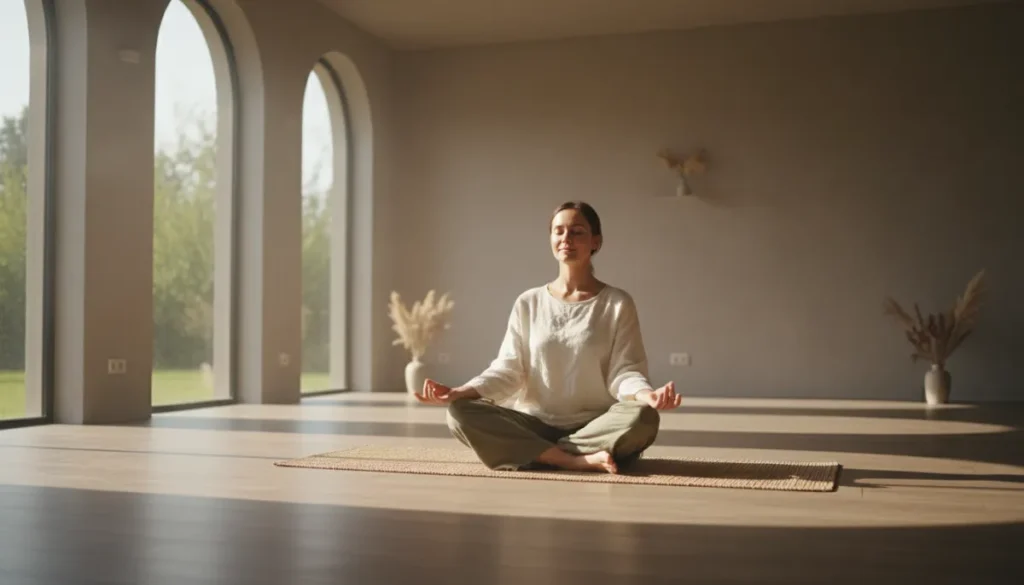
Simple Mindfulness Exercises to Try at Home
Starting a mindfulness routine at home can be straightforward and enjoyable. Below are three beginner‑friendly mindfulness techniques that require no special equipment.
1. Breath Awareness
Focus on the sensation of each inhale and exhale. Count silently from one to five, then reverse. This mindfulness breathing exercise helps anchor the mind and reduces racing thoughts.
2. Body Scan
Lie down or sit comfortably and mentally travel from the toes to the crown of the head, noting any tension or sensations. This practice promotes deep relaxation and body awareness.
3. Guided Meditation
Use a recorded session or a smartphone app that offers a guided mindfulness meditation. Listening to a calm voice can ease beginners into the practice, especially when dealing with anxiety.
- Duration: 5‑10 minutes for beginners
- Frequency: Daily, preferably in the morning
- Environment: Quiet, dimly lit space
These exercises serve as a solid foundation for more advanced practices and can be adapted as your comfort grows.
Integrating Mindfulness Into Daily Work Life
Many professionals wonder how to practice mindfulness at work without disrupting productivity. The key is to incorporate brief, intentional pauses that fit naturally into the workday.
Micro‑Meditations
Take 60‑second pauses between meetings. Close your eyes, inhale for four counts, hold for two, and exhale for six. This simple rhythm can reset your nervous system and improve focus.
Mindful Email Reading
Before opening your inbox, take a breath and set an intention to read each message with clarity. This reduces impulsive reactions and promotes thoughtful responses.
Desk‑Based Body Scan
While seated, gently notice tension in your shoulders, neck, and back. Release it with a subtle stretch. This mindfulness practice can prevent chronic pain associated with prolonged sitting.
- Suggested Frequency: 3‑5 times per day
- Time Required: 1‑2 minutes per pause
- Benefits: Lower stress, higher concentration, better decision‑making
Embedding these mindful moments helps manage workplace anxiety and supports overall mental health.
Mindfulness for Children and Teens
Introducing mindfulness early can foster emotional intelligence and resilience in young people. Mindfulness activities designed for kids are playful, short, and often incorporate movement.
5‑Senses Exercise
Ask children to name one thing they see, hear, feel, smell, and taste in the present moment. This activity sharpens sensory awareness and grounds attention.
Bubble Breathing
Have kids imagine they are blowing bubbles slowly, focusing on the breath’s rhythm. This mindfulness technique turns breathing practice into a fun game.
Gratitude Journaling
Encourage teens to write three things they are grateful for each night. This habit promotes positive thinking and reduces stress.
- Session Length: 3‑7 minutes
- Ideal Setting: Classroom or home environment
- Outcome: Improved focus, reduced anxiety, better emotional regulation
These simple practices empower children to navigate academic pressures and social challenges with greater calm.
Advanced Mindfulness Practices for Stress Management
For those seeking deeper stress relief, advanced mindfulness meditation techniques combine focused attention with compassionate awareness. These practices are especially effective for chronic anxiety and emotional dysregulation.
Loving‑Kindness Meditation
Begin by directing warm wishes toward yourself—“May I be safe, may I be happy.” Gradually extend these wishes to loved ones, neutral people, and even challenging individuals. This practice cultivates empathy and reduces negative emotional patterns.
Guided Mindfulness Meditation with Body Scan
Use a recorded session that blends a gentle voice guiding you through a full-body scan while maintaining a soft, steady breath. The combination enhances relaxation and heightens interoceptive awareness.
Walking Meditation
Walk slowly, synchronizing each step with your breath. Notice the sensation of your feet touching the ground, the rhythm of your stride, and the environment around you. This moving meditation integrates mindfulness with physical activity, supporting both mind and body.
- Duration: 20‑30 minutes
- Frequency: 3‑4 times per week
- Benefits: Deeper relaxation, improved emotional regulation, reduced cortisol
Integrating these advanced exercises into a regular routine can significantly enhance overall well‑being and provide a robust defense against chronic stress.
Why Choose Gold City Medical Center
Gold City Medical Center offers an integrative approach that blends medical expertise with holistic wellness practices. Our team of certified professionals guides you through personalized mindfulness programs, ensuring each exercise aligns with your health goals. Whether you seek stress reduction, improved mental clarity, or complementary support for medical treatments, our evidence‑based methods deliver safe and effective results. Trust a center that prioritizes your overall well‑being with compassion and scientific rigor.
Ready to experience the transformative power of mindfulness? Contact Gold City Medical Center today to schedule a personalized consultation and begin your journey toward lasting calm and vitality.
FAQ
What are mindfulness exercises and how do they help mental health?
Mindfulness exercises are practices that train attention to the present moment without judgment, improving emotional regulation and reducing anxiety.
How can I practice mindfulness at work without disrupting productivity?
Use micro‑meditations, mindful email reading, and brief desk‑based body scans to insert short, intentional pauses into the workday.
What simple mindfulness techniques are suitable for beginners at home?
Breath awareness, body scan, and guided meditation are three beginner‑friendly exercises that require no special equipment.
How can mindfulness be introduced to children and teens effectively?
Use playful, short activities like the 5‑senses exercise, bubble breathing, and gratitude journaling to engage young people.
What advanced mindfulness practices are most effective for stress management?
Loving‑kindness meditation, guided body‑scan meditation, and walking meditation provide deeper relaxation and emotional regulation.
How does mindfulness reduce cortisol levels in the body?
Mindfulness lowers cortisol by activating the parasympathetic nervous system and reducing the brain’s stress response.





