If you are wondering what doctor to see for hair loss, you are not alone. Millions of people experience thinning hair or bald spots at some point in their lives, and choosing the right specialist can feel overwhelming. This article explains the key types of physicians and experts who treat hair loss, outlines what each can offer, and provides guidance on making an informed decision.
Hair loss can stem from genetics, hormonal changes, medical conditions, or lifestyle factors. Understanding the underlying cause is essential because it determines which professional is best equipped to diagnose and treat the issue. For example, a dermatologist may focus on scalp health and prescribe topical solutions, while a trichologist specializes in hair growth science and can recommend advanced therapies.
By the end of this guide, you will know the specific roles of dermatologists, trichologists, endocrinologists, and hair transplant surgeons, as well as the questions to ask during your first appointment. Armed with this knowledge, you can confidently schedule the right consultation and begin a personalized hair loss treatment plan.
Understanding Hair Loss: Types and Causes
Before deciding what doctor to see for hair loss, it helps to recognize the most common patterns and triggers. Hair loss is not a one‑size‑fits‑all condition; it varies by gender, age, and health status.
Androgenetic alopecia, often called male or female pattern baldness, is the most prevalent form, driven by genetics and hormones. It typically presents as gradual thinning on the crown or frontal scalp. Other frequent types include:
- Telogen effluvium – sudden shedding due to stress, illness, or medication.
- Alopecia areata – an autoimmune condition causing patchy bald spots.
- Scarring alopecia – permanent loss resulting from inflammation or infection.
- Hair thinning alopecia – diffuse thinning without distinct bald patches.
Identifying the specific type guides treatment selection. For instance, finasteride for hair loss is effective for androgenetic alopecia in men, while corticosteroid injections may be used for alopecia areata. Lifestyle factors such as nutrition, stress, and hair‑care practices also influence outcomes.
Below is a quick reference table summarizing the main hair loss categories and typical medical approaches.
| Hair Loss Type | Typical Cause | Common Treatment Options |
|---|---|---|
| Androgenetic Alopecia | Genetics & Hormones | Finasteride, Minoxidil, Hair Transplant |
| Telogen Effluvium | Stress, Illness, Meds | Address underlying cause, Nutritional support |
| Alopecia Areata | Autoimmune | Corticosteroids, Immunotherapy |
| Scarring Alopecia | Inflammation/ Infection | Anti‑inflammatory meds, Surgical options |
| Hair Thinning Alopecia | Hormonal changes, Nutrient deficiency | Hormone therapy, Vitamins, Topicals |
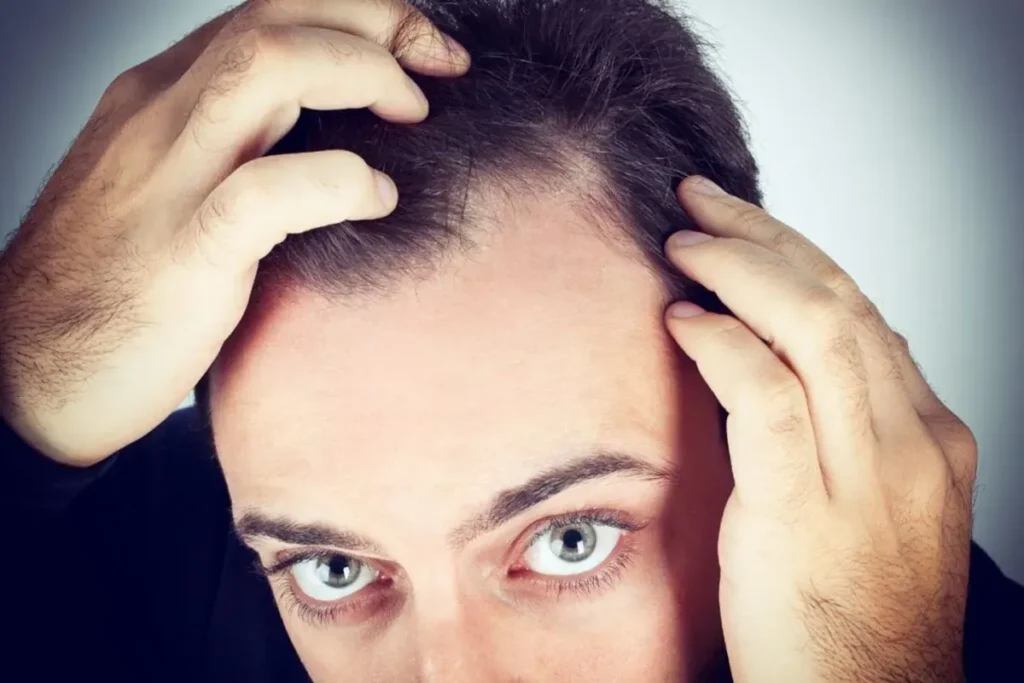
Dermatologists: The Primary Specialists for Scalp Health
When you ask what doctor to see for hair loss, dermatologists are often the first recommendation. These physicians specialize in skin, hair, and nail disorders, making them well‑versed in diagnosing and treating scalp conditions.
Dermatologists can perform a thorough examination, including dermoscopy, to assess follicle health and rule out skin diseases that mimic hair loss, such as psoriasis or seborrheic dermatitis. They also have the authority to prescribe prescription‑strength treatments, including:
- Topical minoxidil (Rogaine) for stimulating hair growth.
- Oral finasteride for male pattern baldness.
- Corticosteroid creams or injections for inflammatory alopecia.
- Laser therapy devices approved for hair regrowth.
In addition to medication, dermatologists may recommend hair loss treatment regimens that incorporate lifestyle changes, nutritional supplements, and gentle hair‑care practices. For women, a dermatologist can tailor therapy to address hormonal fluctuations, such as those occurring during menopause, which often contribute to thinning hair.
Key reasons to consult a dermatologist first include their ability to:
- Accurately diagnose the specific type of hair loss.
- Prescribe FDA‑approved medications like finasteride and minoxidil.
- Coordinate care with other specialists if systemic issues are identified.
When the dermatologist determines that medical therapy alone may not be sufficient, they can refer you to a qualified hair transplant surgeon for advanced restoration.
Trichologists: Experts in Hair Growth and Restoration
While dermatologists address skin‑related aspects, a trichologist is a specialist who concentrates solely on hair and scalp health. If you are still uncertain about what doctor to see for hair loss, especially when you seek non‑medical or complementary approaches, a trichologist can offer valuable insight.
Trichologists often hold certifications in hair science and are skilled in evaluating hair density, shaft quality, and growth cycles. Their services typically include:
- Scalp analysis using video microscopy.
- Personalized hair‑care regimens incorporating shampoos, conditioners, and serums.
- Recommendations for hair growth supplements, such as biotin, zinc, and vitamin D.
- Guidance on low‑level laser therapy (LLLT) devices for home use.
Because trichologists do not prescribe medication, they frequently collaborate with dermatologists or endocrinologists when hormonal imbalances are detected. For example, a trichologist may identify that a client’s hair thinning is linked to thyroid dysfunction and suggest a referral to an endocrinologist for further testing.
Choosing a trichologist can be especially beneficial for individuals looking for:
- Holistic, non‑prescription solutions.
- Detailed scalp health monitoring over time.
- Customized product recommendations based on hair type.
While trichology is not a medical degree, many patients find that combining trichologist advice with dermatologist‑prescribed treatments yields the best overall results.
Endocrinologists and Hormonal Factors in Hair Loss
Hormonal imbalances are a frequent underlying cause of hair loss, particularly in women. When deciding what doctor to see for hair loss, an endocrinologist should be considered if you experience symptoms such as irregular periods, unexplained weight changes, or signs of thyroid disease.
Endocrinologists specialize in glands and hormone regulation. They can order comprehensive blood panels to assess levels of:
- Thyroid hormones (TSH, T3, T4)
- Sex hormones (estrogen, progesterone, testosterone, DHT)
- Insulin and glucose metabolism
- Adrenal hormones (cortisol)
Identifying a hormonal culprit allows targeted treatment. For example, women with polycystic ovary syndrome (PCOS) may benefit from anti‑androgen therapy, while hypothyroid patients often experience hair regrowth after thyroid hormone replacement.
In addition to medication, endocrinologists can advise on lifestyle modifications that support hormonal balance, such as stress management, diet adjustments, and exercise routines. Coordinated care between an endocrinologist and a dermatologist can create a comprehensive plan that addresses both the hormonal root cause and the scalp manifestation.
Typical scenarios that warrant an endocrinology referral include:
- Sudden, diffuse hair thinning without a clear dermatological cause.
- Concurrent symptoms of hormonal disorders (e.g., acne, menstrual irregularities).
- Ineffective response to standard hair loss medications.
When to Consider a Hair Transplant Surgeon
For many individuals, the question what doctor to see for hair loss ultimately leads to surgical options. A hair transplant surgeon specializes in moving healthy follicles from a donor area to balding zones, offering a permanent solution for suitable candidates.
Hair transplant procedures, such as Follicular Unit Extraction (FUE) or Follicular Unit Transplantation (FUT), require precise planning. Before surgery, the surgeon will evaluate:
- Donor hair density and quality.
- Pattern and extent of baldness.
- Scalp laxity and vascular health.
- Overall medical suitability (e.g., blood clotting, infection risk).
Ideal candidates typically have stable hair loss for at least a year and sufficient donor hair. Men with advanced androgenetic alopecia and women with patterned thinning often achieve natural‑looking results. The surgeon will also discuss post‑operative care, including medication such as finasteride or minoxidil to preserve existing hair.
Below is a concise comparison of the two most common transplant techniques:
| Technique | Method | Pros | Cons |
|---|---|---|---|
| FUE | Individual follicles are extracted directly. | Minimal scarring, faster recovery. | Longer procedure time, higher cost. |
| FUT | Strip of scalp removed, then dissected. | Higher graft yield, lower cost per graft. | Linear scar, longer healing. |
Choosing a surgeon with experience in both techniques ensures you receive a personalized plan that aligns with your aesthetic goals and scalp characteristics.
Choosing the Right Specialist: Questions to Ask During Your Consultation
Now that you understand the various experts involved, you can confidently decide what doctor to see for hair loss based on your specific situation. Preparing a short list of questions helps you evaluate each professional’s expertise and approach.
Consider asking:
- What is your experience treating my specific type of hair loss?
- Do you recommend a combination of medical and non‑medical therapies?
- What diagnostic tests will you perform to determine the cause?
- Can you explain the potential side effects of prescribed medications?
- How do you measure treatment success and over what timeline?
- If surgery becomes an option, what are the success rates and recovery expectations?
Take notes during each appointment and compare the recommendations. A collaborative approach—often involving a dermatologist, trichologist, and possibly an endocrinologist—tends to produce the most comprehensive outcomes.
Remember, early intervention typically yields better results, so schedule a consultation promptly once you notice persistent thinning or shedding.
Why Choose Gold City Medical Center
Gold City Medical Center combines medical expertise with cutting‑edge aesthetic solutions, offering an integrated pathway for hair loss management. Our team includes board‑certified dermatologists, experienced trichologists, and skilled hair transplant surgeons who collaborate to create personalized treatment plans. Whether you need a thorough diagnosis, prescription‑grade medication, or a state‑of‑the‑art hair transplant, we provide a seamless experience under one roof. Trust our commitment to safety, evidence‑based care, and lasting results.
Ready to restore your confidence? Contact Gold City Medical Center today to schedule a comprehensive hair loss assessment and start your personalized treatment journey.
FAQ
What doctor should I see for hair loss?
The first specialist to consult is usually a dermatologist, followed by a trichologist, endocrinologist, or hair transplant surgeon depending on the cause.
How can I identify which type of hair loss I have?
Look at the pattern, speed, and accompanying symptoms; a dermatologist can confirm the type through examination and tests.
What treatments do dermatologists offer for hair loss?
Dermatologists prescribe topical minoxidil, oral finasteride, corticosteroids, laser therapy, and lifestyle recommendations.
When should I see an endocrinologist for hair loss?
If you have signs of hormonal imbalance—irregular periods, weight changes, thyroid symptoms—or if standard treatments fail.
What is the difference between a trichologist and a dermatologist?
Dermatologists are medical doctors who can prescribe medication; trichologists specialize in hair and scalp health but cannot prescribe drugs.
What are the main hair transplant techniques and who performs them?
The two primary methods are Follicular Unit Extraction (FUE) and Follicular Unit Transplantation (FUT), performed by certified hair transplant surgeons.





