Understanding how does hair restoration surgery work is the first step for anyone considering a permanent solution to hair loss. This article breaks down the entire process, from the initial consultation to the final growth of transplanted follicles, and explains why the procedure has become a trusted option for both men and women.
Hair loss affects millions worldwide, with studies showing that up to 70% of men experience some degree of baldness by age 35, while many women also struggle with thinning hair. The emotional impact can be profound, leading many to seek effective treatments that restore both hair density and confidence.
In the sections that follow, we will explore the science behind hair restoration, detail each step of the surgical journey, discuss recovery expectations, and provide guidance on choosing the right method for your individual needs. By the end of this guide, you will have a clear picture of the procedure and be better equipped to decide whether it aligns with your goals.
The Basics of Hair Restoration Surgery
Hair restoration surgery, often referred to as a hair transplant, involves relocating healthy hair follicles from a donor area—typically the back of the scalp—to balding or thinning zones. The primary aim is to create a natural‑looking hairline that blends seamlessly with existing hair.
What Is Hair Restoration?
Hair restoration is a surgical technique that redistributes autologous (your own) hair follicles. Because the transplanted follicles retain their original genetic characteristics, they continue to grow in their new location, offering a permanent solution to baldness.
Key Goals of the Procedure
- Achieve a natural hairline that matches facial proportions.
- Restore density in thinning areas without compromising donor site health.
- Provide long‑term, low‑maintenance results.
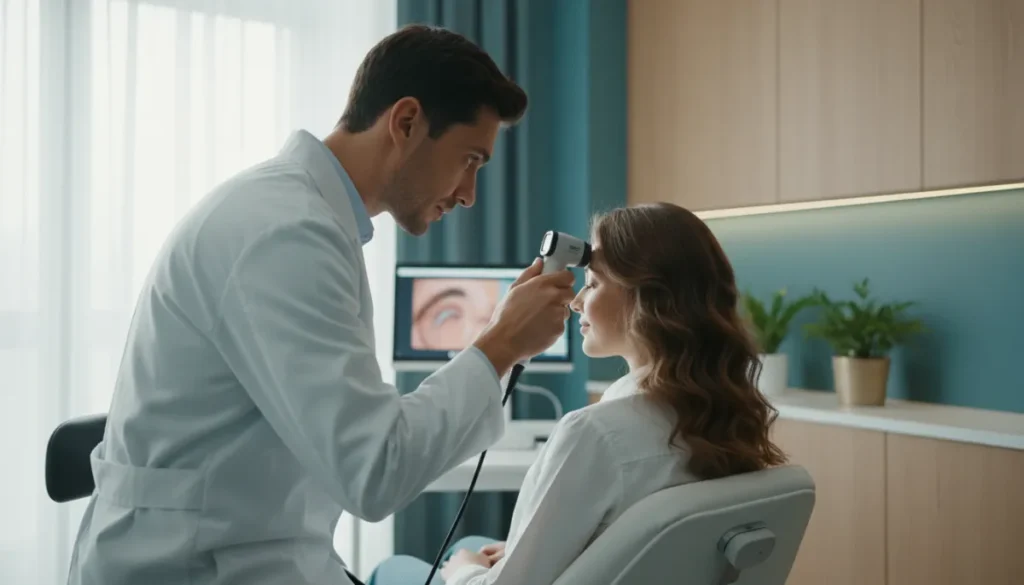
Step‑by‑Step Process: From Consultation to Graft Placement
Many wonder how does hair restoration surgery work in practical terms. The journey can be divided into distinct phases, each critical to the overall success of the transplant.
Initial Consultation
The first appointment involves a thorough assessment of your hair loss pattern, medical history, and expectations. The surgeon will discuss realistic outcomes, evaluate donor site quality, and decide whether you are a suitable candidate for procedures such as Follicular Unit Extraction (FUE) or Follicular Unit Transplantation (FUT).
Donor Site Preparation
Once a method is chosen, the donor area—usually the lower occipital region—is prepared. In FUE, individual follicular units are extracted using a micro‑punch tool, while FUT involves removing a strip of scalp tissue that is later dissected into grafts.
Graft Extraction and Preservation
Each graft contains 1–4 hairs. The extracted units are immediately placed in a nutrient‑rich solution to preserve viability until implantation. This careful handling is essential for optimal graft survival.
Recipient Site Creation
Using fine needles or blades, the surgeon creates tiny incisions in the balding area, respecting the natural direction of hair growth. The pattern and density of these sites determine the final aesthetic result.
Implantation
Finally, the grafts are meticulously placed into the prepared sites. The surgeon ensures proper spacing and angling to mimic natural hair flow, which is why the technique is considered both an art and a science.
| Method | Advantages | Considerations |
|---|---|---|
| FUE (Follicular Unit Extraction) | Minimal scarring, quicker recovery, suitable for short hairstyles | Longer procedure time, higher cost per graft |
| FUT (Follicular Unit Transplantation) | Higher graft yield per session, lower cost for large volumes | Linear scar in donor area, longer healing period |
Recovery, Aftercare, and Expected Results
Understanding the recovery phase is as important as knowing how does hair restoration surgery work. Proper aftercare maximizes graft survival and accelerates the healing timeline.
Immediate Post‑Operative Care
Patients are typically prescribed gentle shampoos, anti‑inflammatory medications, and instructions to avoid direct sunlight on the scalp for the first few days. Some swelling and crusting around the donor and recipient sites are normal and subside within a week.
First Weeks
- Week 1–2: Scabs fall off; transplanted hairs may shed—a normal “shock loss.”
- Week 3–4: New hair begins to sprout from grafts; patients can resume light activities.
- Week 5–8: Continued growth, with noticeable improvement in density.
Long‑Term Growth
Full results typically become evident after 12–18 months, as the transplanted hairs mature and thicken. Most patients experience a permanent increase in hair density, especially when combined with supportive hair growth products such as minoxidil or biotin‑rich supplements.
Choosing the Right Hair Restoration Method for You
Selecting the appropriate technique depends on individual factors such as the extent of baldness, donor hair quality, and personal lifestyle preferences.
Factors to Consider
- Extent of Hair Loss: Mild thinning may be addressed with FUE, while extensive balding might require FUT for higher graft numbers.
- Scalp Elasticity: A flexible scalp allows for easier graft placement and better coverage.
- Desired Hairstyle: Those who keep very short hair often prefer FUE to avoid a visible linear scar.
Supporting Hair Growth Products
While surgery provides the foundation, many patients enhance results with proven hair growth products. Options include:
- Finasteride for male‑pattern hair loss (consult a physician before use).
- Topical minoxidil for both men and women.
- Vitamin supplements rich in biotin, zinc, and iron.
Integrating these treatments under professional guidance can improve graft survival and promote thicker, healthier hair.
Common Questions and Myths About Hair Restoration Surgery
Addressing common concerns helps demystify the process and sets realistic expectations.
Is the Procedure Painful?
Local anesthesia ensures that patients feel little to no pain during graft extraction and implantation. Post‑operative discomfort is usually mild and manageable with prescribed medication.
Will All My Hair Be Restored?
Hair restoration can significantly improve density, but it does not create new hair follicles. The outcome depends on the availability of healthy donor hair and the chosen technique.
Can Women Benefit From Hair Transplants?
Yes. Women experiencing diffuse thinning can achieve natural‑looking results, especially when the donor area has sufficient density. The procedure is tailored to each individual’s pattern of loss.
Are There Risks?
As with any surgery, there are potential risks such as infection, temporary numbness, or scarring. Selecting an experienced clinic minimizes these risks and ensures optimal outcomes.
Why Choose Gold City Medical Center
Gold City Medical Center combines cutting‑edge technology with a multidisciplinary team of specialists dedicated to integrative healthcare. Our expertise spans medical treatments, aesthetic services, and advanced hair restoration, ensuring a comprehensive approach tailored to each patient’s unique needs. Trust our proven track record to deliver safe, effective, and lasting results.
Ready to regain confidence with a natural‑looking hairline? Contact Gold City Medical Center today to schedule your personalized consultation and take the first step toward lasting hair restoration.
Call us or fill out the inquiry form—our experts are waiting to guide you through every stage of the journey.
FAQ
How does hair restoration surgery work?
Hair restoration surgery moves healthy follicles from a donor area to balding zones, creating a natural hairline.
What is the difference between FUE and FUT?
FUE extracts individual follicles with a micro‑punch, while FUT removes a strip of scalp that is later dissected into grafts.
What is the typical recovery time after a hair transplant?
Most patients resume light activities within a week, with full results visible after 12–18 months.
Can women benefit from hair restoration surgery?
Yes, women with diffuse thinning can achieve natural‑looking results when donor hair density is sufficient.
What are the risks and side effects of hair transplantation?
Potential risks include infection, temporary numbness, scarring, and shock loss of existing hair.
How should I care for my scalp after hair restoration surgery?
Follow gentle shampooing, avoid sun exposure, and use prescribed anti‑inflammatory meds for the first few days.





