If you have ever wondered what does a bald spot look like, you are not alone. Many people notice subtle changes on their scalp and wonder whether these are early signs of hair loss or something else. Recognizing the visual characteristics of a bald spot can help you decide when to act, whether through lifestyle adjustments, medical consultation, or advanced treatments such as hair transplantation.
In the United States alone, approximately 85% of men and 40% of women experience noticeable hair thinning by the age of 50, making early detection a key factor in successful management. A bald spot typically appears as a smooth, hair‑free area that may be round, oval, or irregular in shape, often surrounded by thinner hair. The surrounding scalp may look normal, which can make the condition easy to overlook until it expands.
This article will guide you through the visual clues that indicate a bald spot, explore the most common types of alopecia that cause these patterns, and outline practical steps you can take to assess and address the issue. By the end, you’ll have a clear understanding of how to differentiate a bald spot from other scalp conditions and know the options available at Gold City Medical Center.
Recognizing Early Signs of Hair Loss
Before a bald spot becomes fully evident, the scalp often shows early warning signs. These can include increased hair shedding during washing, a noticeable reduction in hair density, and a change in the texture of the hair shaft. Understanding these subtle cues is essential for timely intervention.
Typical Early Indicators
- Hair that feels thinner when combed or brushed.
- Visible increase in hair on pillows or in the shower drain.
- Gradual widening of the part line on the scalp.
Visual Checklist
| Observation | What It May Indicate |
|---|---|
| Small, round, hair‑free area | Early alopecia areata patch |
| Thinning at the crown | Male pattern baldness (androgenetic alopecia) |
| Receding hairline | Typical of male pattern baldness or traction alopecia |
Spotting these early signs can help you answer the question what does a bald spot look like before the area expands. If you notice any of these patterns, consider scheduling a scalp assessment with a specialist.
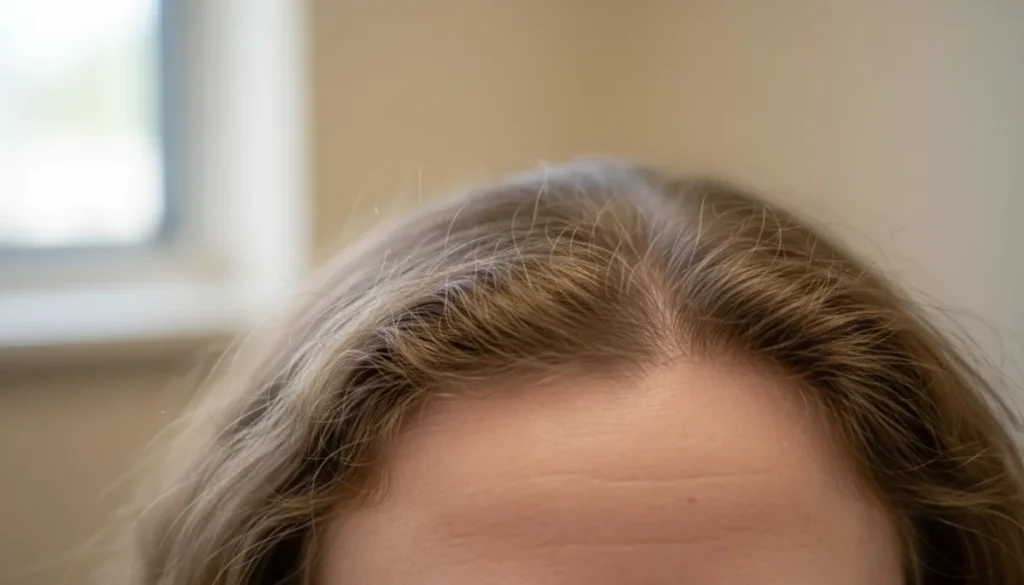
Common Types of Bald Spots and Their Visual Characteristics
Not all bald spots look the same. Different forms of alopecia produce distinct patterns, each with its own visual signature. Understanding these differences can help you identify the underlying cause.
Alopecia Areata
This autoimmune condition often creates sudden, round or oval patches of complete hair loss. The skin in the affected area typically remains smooth and normal‑colored, making the bald spot stand out sharply against surrounding hair.
Androgenetic Alopecia (Male or Female Pattern Baldness)
In men, the classic pattern starts with a receding hairline and a thinning crown, eventually forming a horseshoe‑shaped bald area. Women usually experience diffuse thinning over the top of the scalp without a clearly defined bald spot, though a small patch may appear at the crown.
Traction Alopecia
Resulting from chronic tension on the hair (e.g., tight hairstyles), this type often begins at the hairline or temples, creating an irregular, often angular bald spot.
Scarring (Cicatricial) Alopecia
When inflammation destroys hair follicles, the scalp may develop a shiny, scar‑like bald patch that does not regrow hair.
- Round, smooth patches → alopecia areata
- Gradual thinning at crown → androgenetic alopecia
- Irregular, tension‑related loss → traction alopecia
- Shiny, scarred area → cicatricial alopecia
By comparing these visual cues, you can more accurately answer the question what does a bald spot look like in the context of your own scalp.
How to Differentiate Bald Spots from Other Scalp Conditions
Not every hair‑free area on the scalp is a bald spot caused by alopecia. Conditions such as fungal infections, psoriasis, and eczema can also create patches that may be confused with hair loss.
Ringworm (Tinea Capitis)
Ringworm often presents as a circular, scaly patch that may be itchy. Unlike alopecia areata, the skin may appear red or inflamed, and the hair within the ring can break off, giving a “black dot” appearance.
Psoriasis
Psoriasis plaques are typically silvery‑white and thickened, sometimes covering large scalp areas. Hair loss is usually temporary and occurs only where the plaque is present.
Eczema (Atopic Dermatitis)
Eczema can cause redness, itching, and oozing. Hair loss is secondary to scratching and inflammation, not a primary feature.
Key visual differences:
- Scale and redness → fungal infection or psoriasis
- Itching and oozing → eczema
- Smooth, hair‑free, non‑inflamed area → typical bald spot from alopecia
If you are uncertain, a dermatologist can perform a simple scalp examination or a dermatoscopic analysis to confirm whether what does a bald spot look like matches an alopecia pattern or another condition.
When to Seek Professional Evaluation
While many people monitor their hair at home, certain signs indicate it’s time to consult a specialist. Early professional assessment can prevent further progression and broaden treatment options.
Red Flags Requiring Immediate Attention
- Rapid expansion of a bald spot within weeks.
- Accompanying symptoms such as itching, pain, or swelling.
- Sudden, extensive shedding affecting more than 50% of scalp hair.
- Family history of early‑onset alopecia or androgenetic baldness.
What to Expect During a Consultation
A dermatologist or hair restoration specialist will typically conduct a visual inspection, ask about medical history, and may order blood tests to rule out hormonal or nutritional causes. In some cases, a scalp biopsy is performed to differentiate scarring alopecia from non‑scarring types.
Addressing the question what does a bald spot look like with a professional’s eye ensures accurate diagnosis and tailored treatment planning.
Treatment Options for Bald Spots
Once a diagnosis is confirmed, several evidence‑based treatments can address the underlying cause of a bald spot.
Medical Therapies
- Topical corticosteroids – effective for alopecia areata patches.
- Minoxidil (Rogaine) – stimulates hair growth in androgenetic alopecia.
- Finasteride (Propecia) – oral medication for male pattern baldness.
Procedural Interventions
| Procedure | Best For | Typical Outcome |
|---|---|---|
| Platelet‑Rich Plasma (PRP) | Early‑stage alopecia | Increased hair density within 3–6 months |
| Hair Transplant (FUE) | Stable bald spots | Permanent, natural‑looking hair growth |
| Laser Therapy | Thinning hair | Gradual thickening, low side‑effects |
Lifestyle and Supportive Measures
Maintaining a balanced diet rich in iron, zinc, and biotin, managing stress, and avoiding tight hairstyles can reduce further loss.
Gold City Medical Center offers a comprehensive, integrative approach that combines medical, cosmetic, and surgical options to restore hair health.
Why Choose Gold City Medical Center
Gold City Medical Center integrates medical expertise with advanced cosmetic solutions, offering personalized care for hair loss, skin health, and aesthetic treatments. Our team combines experienced dermatologists, hair restoration surgeons, and wellness specialists to deliver comprehensive assessments and tailored treatment plans. Whether you seek medication, PRP therapy, or a state‑of‑the‑art hair transplant, we prioritize safety, effectiveness, and patient satisfaction.
Ready to take the first step toward a fuller, healthier scalp? Contact Gold City Medical Center today to schedule your personalized consultation and explore the best solution for your unique needs.
FAQ
What does a bald spot look like?
A bald spot appears as a smooth, hair‑free area that may be round, oval, or irregular and is often surrounded by thinner hair.
How can I spot early signs of hair loss before a bald spot forms?
Look for increased shedding, thinning hair density, and a widening part line.
What types of alopecia cause different bald spot patterns?
Alopecia areata, androgenetic alopecia, traction alopecia, and cicatricial alopecia each have distinct shapes.
How do I differentiate a bald spot from scalp conditions like ringworm or psoriasis?
Bald spots are smooth and non‑inflamed, while ringworm, psoriasis, and eczema show scaling, redness, or itching.
When should I seek professional evaluation for a bald spot?
Seek help if the spot expands quickly, causes pain or itching, or if you have a strong family history of hair loss.





