When it comes to treating hair loss, many patients ask about PRP results and whether this approach delivers lasting improvement. Platelet‑rich plasma (PRP) therapy has gained popularity as a minimally invasive option that uses your own blood components to stimulate hair follicles. In this article we explore how PRP works, the typical timeline for visible outcomes, and the key factors that affect success. According to recent clinical observations, up to 70% of participants notice measurable hair density gains after a series of treatments. By understanding the process and setting realistic expectations, you can make an informed decision about whether PRP is right for you.
We will walk through the science behind the treatment, outline what patients can expect during the recovery period, and compare PRP with other common baldness therapies. Whether you are considering your first prp injection or evaluating long‑term maintenance, this guide provides the essential information you need to assess potential outcomes.
Let’s begin by demystifying the procedure and the biological mechanisms that drive the results many patients experience.
How PRP Therapy Works: From Blood Draw to Hair Follicle Stimulation
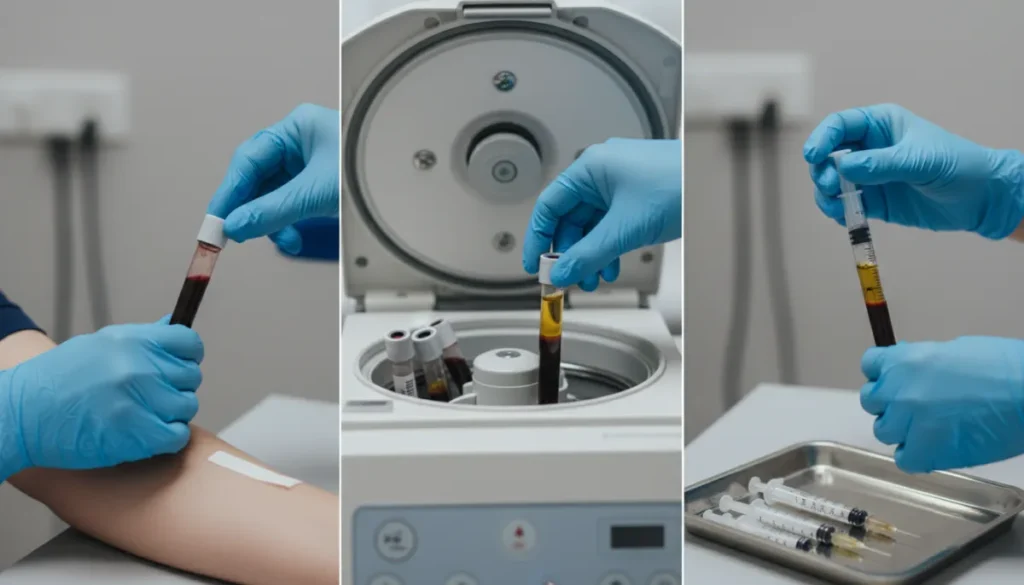
PRP therapy leverages the natural healing properties of your own blood. The process begins with a small blood draw, which is then centrifuged to separate the platelet‑rich plasma from other components. This concentrated plasma, rich in growth factors such as platelet‑derived growth factor (PDGF) and vascular endothelial growth factor (VEGF), is carefully injected into the scalp where hair thinning is evident.
Preparation and Centrifugation
- Blood is drawn (typically 10–20 ml) from the patient’s arm.
- The sample is placed in a sterile centrifuge for 8–12 minutes.
- Platelet‑rich plasma is isolated, achieving a concentration 3–5 times higher than baseline.
Injection Technique
During the prp injection session, the practitioner uses a fine‑gauge needle to deliver the plasma into the dermal papillae of each targeted follicle. The procedure usually lasts 30–45 minutes and is performed under local anesthesia or topical numbing cream for comfort.
Following the injection, the growth factors interact with dormant stem cells, promoting angiogenesis and extending the anagen (growth) phase of the hair cycle. This biological response is the foundation of the prp results patients seek.
Timeline: When to Expect Visible PRP Results
Understanding the timeline helps set realistic expectations. While some patients notice subtle improvements within weeks, the most significant changes typically emerge after multiple sessions.
| Time After Treatment | Typical Observation |
|---|---|
| 1–2 weeks | Scalp may feel slightly tender; no visible hair growth yet. |
| 4–6 weeks | Early signs of hair shaft thickening and reduced shedding. |
| 3–4 months | Noticeable increase in hair density; new strands become visible. |
| 6–12 months | Maximum results achieved; continued improvement possible with maintenance sessions. |
Most protocols recommend a series of three to four monthly prp injections, followed by maintenance sessions every 4–6 months. The longevity of results varies; many patients maintain benefits for 12–18 months before a touch‑up is advisable.
Key Factors That Influence PRP Results
Not every patient experiences the same level of improvement. Several variables play a crucial role in determining the effectiveness of platelet‑rich plasma therapy.
- Patient Age: Younger individuals with active hair follicles tend to respond better.
- Hair Loss Stage: Early‑stage thinning yields more noticeable results than advanced baldness.
- Platelet Concentration: Higher platelet counts correlate with stronger growth factor delivery.
- Number of Sessions: Consistent treatment over several months enhances outcomes.
- Lifestyle Factors: Nutrition, stress management, and avoidance of smoking support optimal results.
Choosing a qualified practitioner who follows strict aseptic techniques and uses a validated centrifugation protocol is essential. Additionally, combining PRP with complementary treatments such as low‑level laser therapy or topical minoxidil can amplify the benefits.
PRP vs. Other Baldness Therapies: How Do Results Compare?
When evaluating hair restoration options, it’s helpful to compare PRP with established treatments such as minoxidil, finasteride, and surgical hair transplantation.
| Therapy | Mechanism | Typical Onset of Results | Durability | Invasiveness |
|---|---|---|---|---|
| PRP Therapy | Growth factor stimulation from platelet‑rich plasma | 3–4 months | 12–18 months (maintenance needed) | Minimally invasive |
| Minoxidil (topical) | Vasodilation and follicle enlargement | 2–6 months | Continuous use required | Non‑invasive |
| Finasteride (oral) | DHT inhibition | 3–6 months | Continuous use required | Non‑invasive (systemic) |
| Hair Transplant | Follicular unit extraction and grafting | 6–12 months | Permanent (if grafts survive) | Surgical |
While surgical transplantation offers permanent grafts, PRP provides a non‑surgical alternative with a favorable safety profile and minimal downtime. For patients seeking a natural, regenerative approach, PRP often serves as an effective first‑line therapy, especially when combined with other modalities.
Why Choose Gold City Medical Center for PRP Therapy
Gold City Medical Center combines cutting‑edge technology with a holistic approach to hair restoration. Our team of experienced physicians follows a strict protocol for platelet concentration and injection technique, ensuring consistent and safe prp results. We tailor each treatment plan to the individual’s hair loss stage, lifestyle, and aesthetic goals, integrating complementary services such as microneedling and nutritional counseling. As a trusted integrative healthcare provider, we prioritize patient comfort, transparent communication, and evidence‑based outcomes.
Ready to see real improvement in your hair density? Contact Gold City Medical Center today to schedule a personalized PRP consultation and start your journey toward fuller, healthier hair.
FAQ
What is PRP therapy and how does it work for hair restoration?
PRP therapy uses your own blood’s platelet‑rich plasma, rich in growth factors, which is injected into the scalp to stimulate dormant hair follicles.
How long does it take to see results after PRP hair treatment?
Visible improvements usually start appearing between 4–6 weeks, with optimal results seen at 3–4 months and full effect by 6–12 months.
How many PRP sessions are needed for optimal hair growth?
Most protocols recommend three to four monthly sessions, followed by maintenance every 4–6 months.
What factors affect the success of PRP results?
Age, stage of hair loss, platelet concentration, number of sessions, and lifestyle habits all influence outcomes.
How does PRP compare to minoxidil, finasteride, and hair transplant?
PRP is minimally invasive with a 3–4 month onset, offering temporary results lasting 12–18 months, whereas minoxidil and finasteride require continuous use, and hair transplants provide permanent grafts but are surgical.
Are there any side effects or downtime after PRP injections?
Side effects are minimal, usually limited to mild scalp tenderness, redness, or temporary swelling, with little to no downtime.
Can PRP be combined with other hair loss treatments?
Yes, PRP can be safely combined with minoxidil, low‑level laser therapy, microneedling, and nutritional counseling for synergistic effects.





