Red spots on scalp thinning hair can be alarming, especially when they accompany noticeable hair loss. These visible lesions often signal an underlying scalp condition that requires proper attention. In this article we explore the most common causes, diagnostic approaches, and treatment pathways, helping you make informed decisions about your scalp health.
According to dermatological studies, up to 30% of individuals experiencing hair thinning also report inflammatory scalp changes such as redness or itching. Recognizing the pattern of these symptoms early can prevent further hair loss and improve overall scalp comfort.
We will break down the medical reasons behind red spots on scalp thinning hair, outline how professionals evaluate the problem, and present both clinical and home‑care solutions. Whether you are dealing with occasional irritation or persistent inflammation, the information below equips you with practical steps toward a clearer, healthier scalp.
Common Causes of Red Spots on a Thinning Scalp
Several dermatological conditions manifest as red spots while the hair shaft becomes finer or falls out. Understanding the root cause is essential for targeted treatment.
- Folliculitis: Bacterial infection of hair follicles that produces pustules and redness.
- Seborrheic dermatitis: An oily, flaky scalp condition that can cause red, scaly patches.
- Alopecia areata: Autoimmune attack on hair follicles leading to sudden hair loss and sometimes red inflamed spots.
- Dandruff and dry scalp eczema: Irritation from excess yeast or skin barrier breakdown, often accompanied by itching.
- Scalp psoriasis: Thick, silvery scales with underlying erythema that may thin the surrounding hair.
These conditions frequently overlap; for example, seborrheic dermatitis can predispose the scalp to folliculitis, while chronic inflammation may trigger alopecia areata in susceptible individuals.
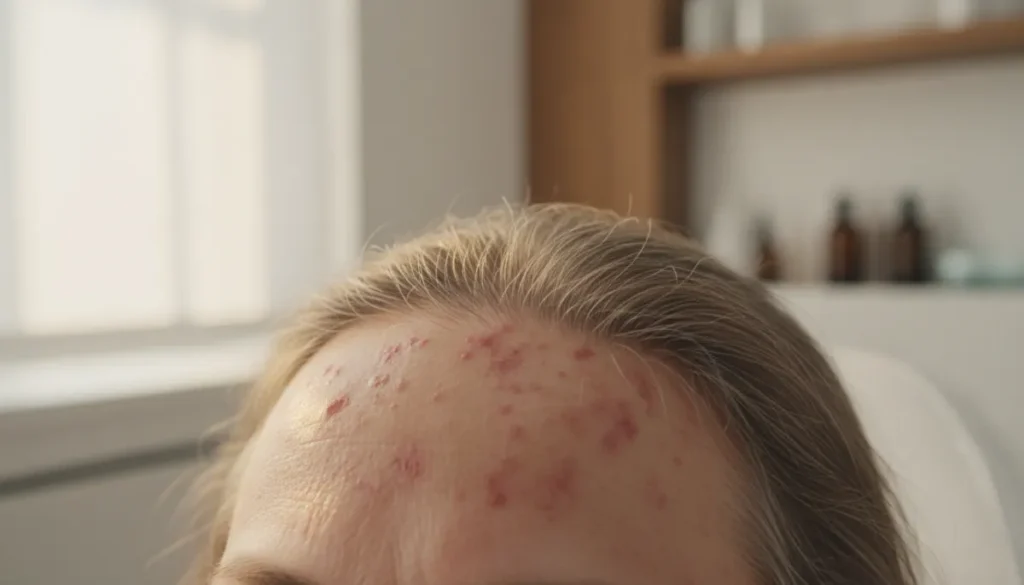
How Professionals Diagnose the Underlying Issue
Accurate diagnosis combines visual inspection with targeted tests. Dermatologists and trichologists follow a systematic approach to differentiate between the possible causes of red spots on scalp thinning hair.
Clinical Examination
The practitioner first assesses the distribution, size, and texture of the lesions. They may use a dermatoscope to magnify the scalp and evaluate follicular openings.
Laboratory Tests
Depending on the suspected condition, the following tests might be ordered:
- Skin scraping for fungal cultures (to rule out seborrheic dermatitis).
- Swab culture for bacterial growth (identifying folliculitis).
- Blood panel for autoimmune markers (useful for alopecia areata).
Biopsy and Imaging
In ambiguous cases, a small scalp biopsy provides histological insight, while high‑resolution ultrasound can visualize hair follicle density.
| Condition | Key Diagnostic Feature | Typical Test |
|---|---|---|
| Folliculitis | Pustules around hair shafts | Swab culture |
| Seborrheic Dermatitis | Yellowish greasy scales | Skin scraping |
| Alopecia Areata | Round smooth patches of hair loss | Autoimmune panel |
| Scalp Psoriasis | Thick silvery plaques | Biopsy |
These diagnostic steps help clinicians pinpoint the exact cause of red spots on scalp thinning hair, ensuring that the subsequent treatment plan addresses the root problem.
Treatment Options for Red Spots and Hair Thinning
Therapeutic strategies target both the inflammatory lesions and the associated hair loss. The choice of treatment depends on the diagnosed condition and severity.
Topical Therapies
- Corticosteroid creams for reducing inflammation in folliculitis and alopecia areata.
- Antifungal shampoos (e.g., ketoconazole) to control seborrheic dermatitis.
- Coal tar or salicylic acid preparations for scalp psoriasis.
Oral Medications
- Antibiotics such as doxycycline for bacterial folliculitis.
- Systemic antifungals for resistant seborrheic dermatitis.
- Immunomodulators (e.g., oral corticosteroids) for extensive alopecia areata.
Procedural Interventions
- Laser therapy to reduce scalp inflammation and stimulate follicle activity.
- Platelet‑rich plasma (PRP) injections for hair regrowth.
- Hair transplant surgery for permanent restoration when donor hair is sufficient.
Combining medical treatment with proper scalp care often yields the best outcomes for individuals dealing with red spots on scalp thinning hair.
Lifestyle and Home Care Strategies
Daily habits play a supportive role in managing red spots and preserving hair density. Simple adjustments can reduce irritation and promote a healthier scalp environment.
- Gentle cleansing: Use sulfate‑free shampoos and avoid hot water.
- Scalp moisturization: Apply lightweight, non‑comedogenic oils or serums.
- Balanced diet: Ensure adequate intake of zinc, biotin, and omega‑3 fatty acids.
- Stress management: Practice relaxation techniques, as stress can exacerbate inflammatory scalp conditions.
- Avoid harsh styling: Limit heat tools and tight hairstyles that increase friction.
Consistent home care not only alleviates redness but also creates a favorable environment for hair follicles to recover and grow.
When to Seek Professional Help
While many scalp issues can be managed at home, certain warning signs require prompt medical evaluation.
- Rapid expansion of red patches or development of pus.
- Sudden, extensive hair loss covering more than 20% of the scalp.
- Persistent itching, burning, or pain despite over‑the‑counter treatment.
- Signs of infection such as fever or swollen lymph nodes.
- Any suspicion of an autoimmune condition like alopecia areata.
If you notice any of these symptoms, schedule a consultation with a qualified dermatologist or hair restoration specialist to prevent further complications.
Why Choose Gold City Medical Center
Gold City Medical Center combines state‑of‑the‑art diagnostics with personalized treatment plans for scalp disorders and hair restoration. Our integrative approach blends dermatology, trichology, and advanced cosmetic procedures, ensuring that each patient receives comprehensive care tailored to their unique condition. With a team of experienced specialists and a commitment to evidence‑based medicine, we help you achieve a healthier scalp and renewed confidence.
Ready to address red spots on scalp thinning hair and restore your hair’s vitality? Contact Gold City Medical Center today to schedule a personalized consultation.
Take the first step toward a clearer, healthier scalp—your journey to confidence starts here.
FAQ
What causes red spots on a thinning scalp?
Red spots can result from conditions like folliculitis, seborrheic dermatitis, alopecia areata, dandruff‑related eczema, or scalp psoriasis.
How can a dermatologist diagnose red spots on a thinning scalp?
Diagnosis combines visual inspection, dermatoscopic evaluation, and targeted lab tests such as skin scrapings, swab cultures, or blood panels.
What are the treatment options for red spots and hair thinning?
Treatments include topical corticosteroids, antifungal shampoos, coal‑tar or salicylic preparations, oral antibiotics or antifungals, laser therapy, PRP injections, and hair transplant surgery.
Can home care help reduce red spots on a thinning scalp?
Yes, gentle cleansing, proper moisturization, balanced nutrition, stress management, and avoiding harsh styling can alleviate redness and support hair health.
When should I see a doctor for red spots on my scalp?
Seek medical help if red patches spread rapidly, develop pus, cause extensive hair loss, persist despite OTC treatment, or are accompanied by fever or swollen lymph nodes.
Is laser therapy effective for scalp inflammation and hair loss?
Laser therapy can reduce inflammation and stimulate follicle activity, often used alongside other treatments for better results.





