Finding the right scalp eczema treatment can feel overwhelming, especially when the condition causes persistent itching, flaking, and discomfort. This article explains what scalp eczema is, why it develops, and how modern medical and integrative approaches can bring lasting relief. Each year, millions of people struggle with an itchy scalp, yet many remain unaware of effective options that go beyond simple shampoo changes.
We’ll explore the underlying causes of scalp eczema, the diagnostic process, and a range of therapies—from prescription topical steroids to natural lifestyle adjustments. You’ll learn how to identify the signs early, when to seek professional help, and what steps you can take at home to keep your scalp healthy.
By the end of this guide, you’ll have a clear roadmap for managing scalp eczema, reducing flare‑ups, and restoring confidence in your appearance. Let’s begin the journey toward a calmer, healthier scalp.
Understanding Scalp Eczema: Causes and Symptoms
Scalp eczema, also known as seborrheic dermatitis when it affects the scalp, is a chronic inflammatory skin condition that primarily targets the hair‑bearing areas. The exact cause is multifactorial, involving genetic predisposition, an overactive immune response, and environmental triggers. Common contributors include:
- Excessive production of sebum (oil) that feeds the yeast Malassezia.
- Genetic factors that increase skin sensitivity.
- Stress, hormonal changes, and harsh hair‑care products.
- Climate extremes—dry winter air or humid summer heat.
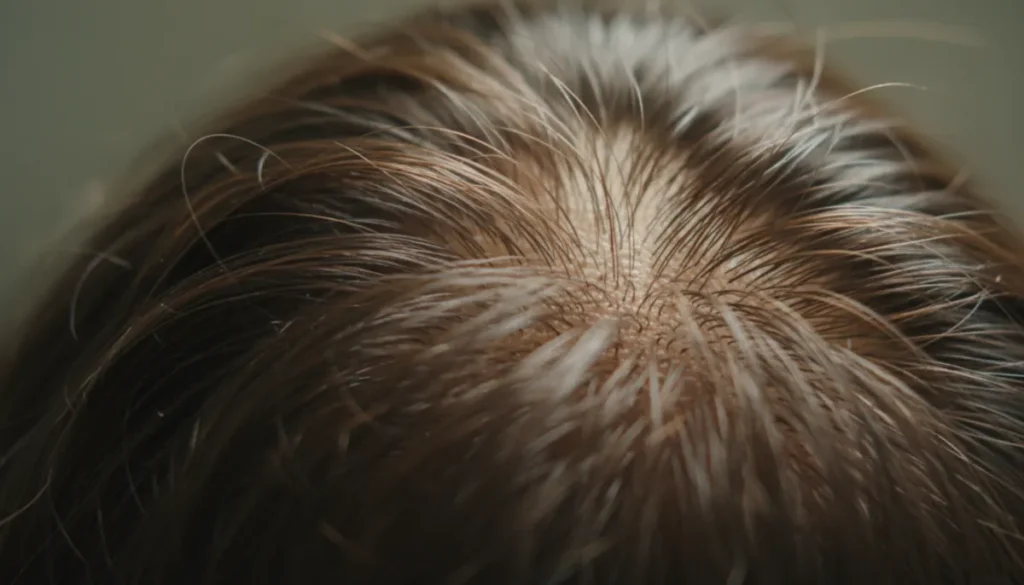
Typical symptoms range from mild flaking that resembles dandruff to severe itching, redness, and even crusty patches. Many patients mistake early signs for ordinary dandruff, delaying proper treatment. When the scalp becomes inflamed, you may also notice a burning sensation or a feeling of tightness.
Distinguishing scalp eczema from other conditions is essential. While seborrheic dermatitis often overlaps, atopic dermatitis can affect the scalp and present with similar itching. Recognizing the pattern—persistent itch, flaky or greasy scales, and occasional oozing—helps guide appropriate therapy.
Diagnosis and When to Seek Professional Care
Accurate diagnosis is the cornerstone of successful scalp eczema treatment. Dermatologists employ a combination of visual examination, patient history, and sometimes skin scrapings to confirm the condition. If you notice persistent itchiness, scaling, or redness lasting more than two weeks, it’s time to schedule a consultation.
During the visit, the clinician may use a dermatoscope to magnify the scalp, allowing for a detailed assessment of lesions. In ambiguous cases, a small sample of skin cells may be taken for microscopic analysis to rule out fungal infections or psoriasis.
Key indicators that warrant professional attention include:
- Rapid spreading of lesions beyond the scalp.
- Severe pain, bleeding, or oozing.
- Loss of hair in affected areas.
- Failure of over‑the‑counter remedies after four weeks.
Early intervention not only eases discomfort but also prevents long‑term complications such as secondary infections or permanent hair loss. A qualified specialist can tailor a treatment plan that balances prescription potency with skin‑friendly ingredients.
Effective Treatment Options: Medications and Lifestyle Adjustments
When it comes to scalp eczema treatment, a multi‑layered approach yields the best results. Physicians typically start with prescription‑strength topical agents, then consider oral medications for more extensive disease, and finally incorporate lifestyle changes to sustain improvement.
Topical Therapies
First‑line treatments include corticosteroid creams or ointments that reduce inflammation quickly. For milder cases, non‑steroidal anti‑inflammatory agents such as calcineurin inhibitors (e.g., tacrolimus) are effective and carry fewer side effects. Antifungal shampoos containing ketoconazole or selenium sulfide help control the yeast component.
Oral Medications
When topical options are insufficient, oral antihistamines can alleviate itching, while systemic corticosteroids may be prescribed for short‑term flare‑ups. In chronic, severe cases, immunosuppressants like methotrexate or biologics targeting specific immune pathways are considered.
Lifestyle and Adjunctive Measures
Complementary strategies enhance medication efficacy. Reducing stress through mindfulness, maintaining a balanced diet rich in omega‑3 fatty acids, and avoiding harsh hair products can all lower flare frequency.
| Treatment Type | Typical Use | Key Benefits | Potential Side Effects |
|---|---|---|---|
| Topical corticosteroids | Acute flare‑ups | Rapid inflammation reduction | Skin thinning, irritation |
| Calcineurin inhibitors | Mild to moderate eczema | Non‑steroidal, safe for long‑term | Burning sensation |
| Antifungal shampoos | Seborrheic component | Controls yeast overgrowth | Dryness, occasional discoloration |
| Oral antihistamines | Itch control | Improves sleep | Dry mouth, drowsiness |
Combining these options under the guidance of a specialist ensures a balanced, effective scalp eczema treatment plan that minimizes side effects while maximizing relief.
Home Care and Preventive Strategies
Even with prescription therapy, day‑to‑day habits play a pivotal role in preventing recurrence. Simple adjustments to your hair‑care routine can dramatically reduce irritation and keep the scalp barrier intact.
Gentle Cleansing
Choose sulfate‑free shampoos that cleanse without stripping natural oils. Wash your hair with lukewarm water, and avoid vigorous scrubbing, which can exacerbate inflammation.
Moisturizing and Scalp Protection
Lightweight, fragrance‑free moisturizers or scalp oils containing jojoba or argan oil help restore barrier function. Apply after washing while the scalp is still damp to lock in moisture.
Environmental Controls
In dry climates, use a humidifier to maintain ambient moisture. During colder months, protect the scalp from harsh winds by wearing a soft hat or scarf made of breathable fabric.
Diet and Lifestyle
Research links high‑sugar diets and excessive dairy intake to increased skin inflammation. Incorporating anti‑inflammatory foods—such as fatty fish, leafy greens, and nuts—can support skin health from the inside out.
Regular exercise, adequate sleep, and stress‑reduction techniques (yoga, meditation) further diminish the frequency of flare‑ups, creating a holistic environment for a resilient scalp.
Integrative Care at Gold City Medical Center
At Gold City Medical Center, our multidisciplinary team blends conventional dermatology with integrative therapies to deliver comprehensive scalp eczema treatment. Our specialists assess each patient’s unique triggers, medical history, and lifestyle factors, crafting a personalized plan that may include prescription medication, phototherapy, and complementary modalities such as nutritional counseling.
We pride ourselves on a patient‑centered approach that emphasizes education, ongoing monitoring, and adjustments as needed. Whether you are dealing with mild flaking or severe, chronic inflammation, our state‑of‑the‑art facilities and experienced clinicians provide the expertise required for lasting improvement.
By choosing Gold City Medical Center, you gain access to a seamless blend of medical precision and holistic care, ensuring that your scalp not only heals but thrives.
Why Choose Gold City Medical Center
Gold City Medical Center combines cutting‑edge medical technology with a compassionate, integrative philosophy. Our expertise spans medical treatments, aesthetic services, and hair restoration, making us a one‑stop destination for scalp health and overall well‑being. Trust our experienced team to guide you through effective scalp eczema treatment and help you achieve lasting comfort.
Ready to reclaim a healthy, itch‑free scalp? Contact Gold City Medical Center today to schedule a personalized consultation and start your path to lasting relief.
Take the first step toward comfort—call now or visit our clinic for a comprehensive assessment.
FAQ
What are the main causes of scalp eczema?
Scalp eczema is caused by a mix of genetic factors, excess sebum feeding yeast, immune response, stress, and harsh hair products.
When should I see a dermatologist for scalp eczema?
If itching, scaling, or redness lasts more than two weeks or worsens despite OTC treatments, schedule a dermatologist visit.
What topical medications are most effective for scalp eczema?
Prescription corticosteroid creams, calcineurin inhibitors, and antifungal shampoos are first‑line topical treatments.
Can lifestyle changes help manage scalp eczema?
Yes, gentle hair care, stress reduction, a balanced diet, and environmental controls can lower flare‑up frequency.
What oral medications are used for severe scalp eczema?
Oral antihistamines, short‑term systemic steroids, and in chronic severe cases, immunosuppressants or biologics may be prescribed.
How does Gold City Medical Center approach scalp eczema treatment?
They combine conventional dermatology with integrative therapies, offering personalized plans that include medication, phototherapy, and nutritional counseling.





