When it comes to finding a treatment for liver disease, patients often feel overwhelmed by the variety of options and the complexity of the condition. This article explores the most up‑to‑date therapies, from conventional medicine to integrative approaches, helping you understand how to manage liver health effectively. Did you know that liver disease affects more than 1.5 billion people worldwide, making it a leading cause of morbidity?
We will start by clarifying the different forms of liver disease, their typical symptoms, and how specialists diagnose them. Then, we’ll dive into the range of treatment options—pharmacological, procedural, nutritional, and emerging technologies—so you can make informed decisions in partnership with your healthcare team.
Whether you are dealing with early‑stage fatty liver, chronic cirrhosis, or advanced liver failure, the right combination of therapies can improve quality of life and, in many cases, reverse damage. Let’s explore the pathways to better liver health.
Understanding Liver Disease: Causes and Symptoms
Liver disease encompasses a broad spectrum of conditions that impair the organ’s ability to detoxify, synthesize proteins, and regulate metabolism. The most common causes include chronic alcohol consumption, viral infections (such as hepatitis B and C), metabolic disorders like non‑alcoholic fatty liver disease (NAFLD), and autoimmune attacks.
Typical liver disease symptoms may be subtle at first—fatigue, mild abdominal discomfort, or unexplained weight loss—but can progress to more serious signs such as jaundice, swelling of the abdomen (ascites), and confusion due to hepatic encephalopathy.
Common Types of Liver Disease
- Non‑Alcoholic Fatty Liver Disease (NAFLD) and its progressive form, NASH (Non‑Alcoholic Steatohepatitis)
- Alcoholic hepatitis and cirrhosis
- Viral hepatitis (B, C, D)
- Autoimmune hepatitis
- Primary biliary cholangitis and primary sclerosing cholangitis
- Genetic disorders such as hemochromatosis and Wilson’s disease
Recognizing these conditions early is crucial because timely treatment for liver disease can halt progression and, in some cases, restore normal liver function.
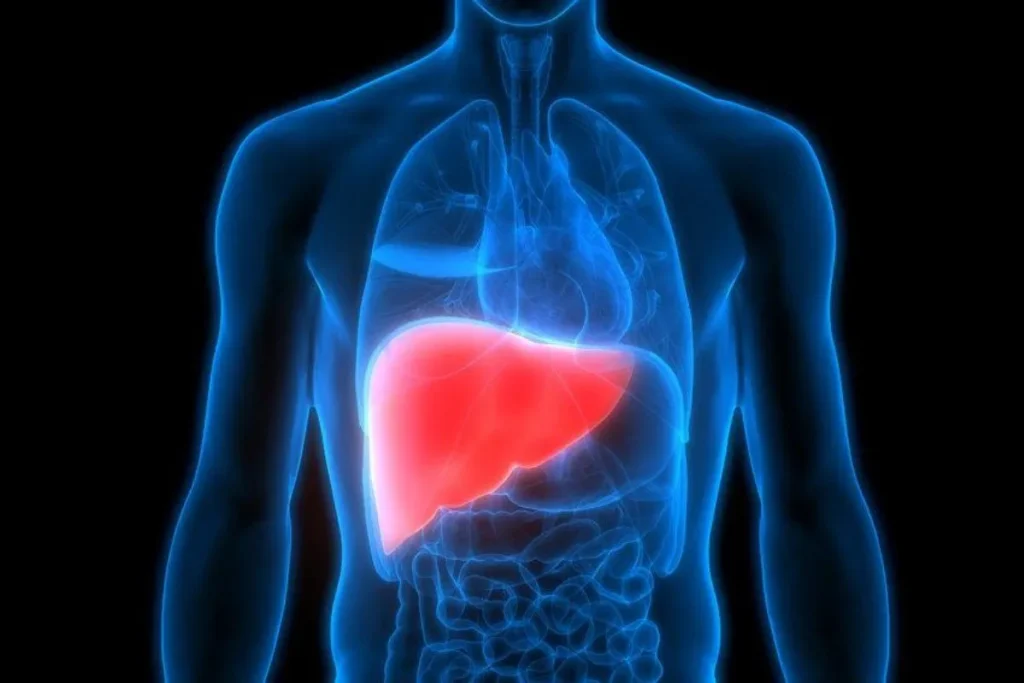
Diagnostic Approaches: How Doctors Identify Liver Problems
Accurate diagnosis is the cornerstone of effective therapy. Physicians rely on a combination of laboratory tests, imaging studies, and sometimes tissue sampling to assess liver health.
Key Diagnostic Tools
- Blood tests: Liver function panel (ALT, AST, ALP, bilirubin) and serology for viral hepatitis.
- Imaging: Ultrasound, CT scan, MRI, and elastography to evaluate liver texture and fibrosis.
- Liver biopsy: Histological analysis for definitive staging, especially in ambiguous cases.
Below is a comparison of the most frequently used diagnostic modalities.
| Test | Purpose | Advantages | Limitations |
|---|---|---|---|
| Blood Panel | Assess liver enzyme levels and detect infection | Quick, inexpensive, minimally invasive | May not reflect early fibrosis |
| Ultrasound | Visualize liver size, texture, and blood flow | Non‑radiative, widely available | Operator dependent, limited in obese patients |
| MR Elastography | Measure liver stiffness for fibrosis staging | Highly accurate, non‑invasive | Higher cost, limited availability |
| Biopsy | Obtain tissue for microscopic analysis | Gold standard for definitive diagnosis | Invasive, risk of bleeding |
Choosing the appropriate diagnostic pathway enables clinicians to tailor the treatment for liver disease to each patient’s specific stage and underlying cause.
Conventional Medical Treatments: Medications and Procedures
Traditional medicine offers a range of pharmacological and procedural interventions designed to address the root cause of liver disease and manage its complications.
Pharmacological Options
- Antiviral agents (e.g., tenofovir, entecavir) for chronic hepatitis B.
- Direct‑acting antivirals (DAAs) for hepatitis C, achieving cure rates above 95%.
- Ursodeoxycholic acid for cholestatic liver diseases.
- Steroids and immunosuppressants for autoimmune hepatitis.
- Weight‑loss drugs (e.g., GLP‑1 receptor agonists) for NASH management.
Procedural treatments are reserved for advanced disease or complications:
- Endoscopic variceal ligation to control bleeding from esophageal varices.
- Transjugular intrahepatic portosystemic shunt (TIPS) for portal hypertension.
- Liver transplantation as the definitive cure for end‑stage liver failure.
These conventional approaches form the backbone of the treatment for liver disease, especially when the underlying etiology is viral or autoimmune.
Integrative and Lifestyle Therapies: Nutrition, Supplements, and Wellness
Complementary strategies play a vital role in supporting liver health, especially for patients with early‑stage disease or those seeking to enhance conventional treatment outcomes.
Dietary Strategies
- Adopt a Mediterranean‑style diet rich in leafy greens, fish, nuts, and olive oil.
- Limit saturated fats, refined sugars, and excessive alcohol consumption.
- Incorporate coffee (moderate amounts) – studies show it can reduce fibrosis risk.
Supplemental options with emerging evidence include:
- Vitamin E for patients with biopsy‑confirmed NASH.
- Omega‑3 fatty acids to lower triglycerides and inflammation.
- Silymarin (milk thistle) – antioxidant properties that may protect hepatocytes.
- Probiotics to improve gut‑liver axis and reduce endotoxemia.
Regular physical activity, stress management, and adequate sleep further bolster the body’s ability to repair hepatic tissue.
When integrated thoughtfully with medical care, these lifestyle measures can significantly improve the efficacy of the overall treatment for liver disease.
Emerging Innovations: Future Directions in Liver Disease Care
Research into liver regeneration and precision medicine is rapidly expanding, offering hope for therapies that could reverse damage without transplantation.
Regenerative Medicine and Clinical Trials
- Stem cell therapy – mesenchymal stem cells are being investigated for their anti‑inflammatory and antifibrotic effects.
- Gene editing (CRISPR) – targeted approaches aim to correct genetic mutations responsible for hereditary liver disorders.
- Artificial liver devices – bio‑artificial platforms provide temporary support while native liver recovers.
- Microbiome modulation – fecal microbiota transplantation (FMT) trials explore gut‑liver interactions.
Below is a snapshot of selected ongoing clinical trials focusing on novel liver disease therapies.
| Trial | Intervention | Phase | Target Condition |
|---|---|---|---|
| NCT04567890 | Intravenous MSCs | II | Cirrhosis (non‑alcoholic) |
| NCT03912345 | CRISPR‑Cas9 for Alpha‑1 Antitrypsin deficiency | I/II | Genetic liver disease |
| NCT05234567 | Bio‑artificial liver support | III | Acute liver failure |
| NCT04123456 | FMT for NASH | II | Non‑alcoholic steatohepatitis |
While many of these innovations remain experimental, they underscore a future where the treatment for liver disease may shift from managing symptoms to restoring full organ function.
Why Choose Gold City Medical Center
Gold City Medical Center combines state‑of‑the‑art diagnostics with a holistic approach to liver health. Our multidisciplinary team includes hepatologists, nutrition experts, and integrative medicine specialists who collaborate to design personalized treatment plans for liver disease. With a focus on evidence‑based therapies and patient‑centered care, we aim to improve outcomes while respecting each individual’s lifestyle and preferences.
Take control of your liver health today. Contact Gold City Medical Center to schedule a comprehensive evaluation and discover a treatment plan tailored to your needs.
Our experts are ready to guide you toward a healthier future—call now or fill out our online inquiry form.
FAQ
What are the most common causes of liver disease?
Common causes include chronic alcohol use, viral hepatitis, non‑alcoholic fatty liver disease, and autoimmune attacks.
How is liver disease diagnosed?
Diagnosis combines blood tests, imaging studies, and sometimes liver biopsy.
What conventional medical treatments are available for liver disease?
Options include antiviral drugs, steroids, immunosuppressants, and procedures like TIPS or transplantation.
How can lifestyle changes support liver health?
A Mediterranean diet, regular exercise, limited alcohol, and certain supplements can improve outcomes.
What emerging therapies are being researched for liver disease?
Stem cell therapy, CRISPR gene editing, bio‑artificial liver devices, and microbiome modulation are under investigation.





