The quest for the best hair replacement treatment often begins with frustration over thinning strands, a receding hairline, or a visible bald spot. Whether you are a man dealing with early‑onset balding or a woman coping with hair loss after pregnancy, understanding the landscape of options is essential for making an informed decision.
In 2023, more than 30 % of adults reported noticeable hair thinning, highlighting the growing demand for effective solutions. This article walks you through the most common approaches—ranging from medical hair growth products to surgical hair transplant techniques—so you can identify the method that aligns with your goals, budget, and lifestyle.
We will explore how each treatment works, what realistic results look like, and which factors you should weigh before committing to a plan. By the end, you’ll have a clear roadmap for achieving lasting hair restoration.
Understanding Hair Replacement Options
Hair replacement encompasses a broad spectrum of interventions, each targeting the underlying causes of hair loss. Below is a quick overview of the primary categories:
- Hair transplant surgery – Relocates healthy follicles from a donor area to thinning zones.
- Non‑surgical hair growth products – Includes topical solutions like minoxidil and oral supplements.
- Platelet‑rich plasma (PRP) therapy – Uses your own blood platelets to stimulate follicle activity.
- Low‑level laser therapy (LLLT) – Applies red light to improve scalp circulation.
Choosing the right path starts with diagnosing the type of hair loss you experience. For instance, androgenetic alopecia (male or female pattern baldness) often responds well to finasteride for hair loss and minoxidil, while scarring alopecia may require surgical intervention.
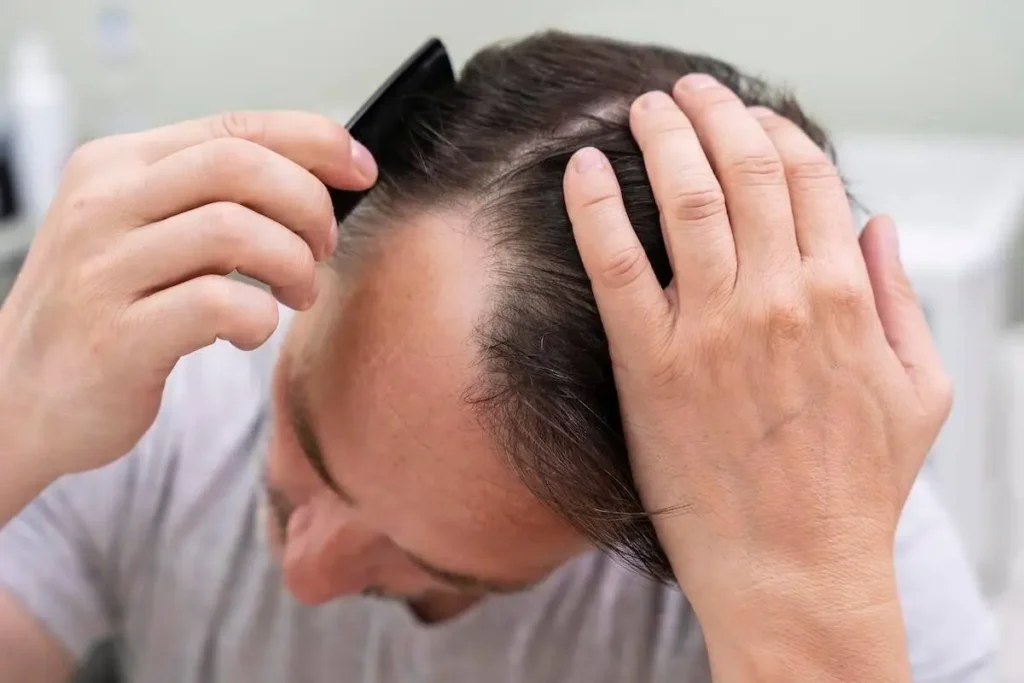
Below is a comparison of the most popular non‑surgical options:
| Product / Procedure | Mechanism | Typical Results | Duration of Use |
|---|---|---|---|
| Minoxidil (2%/5%) | Vasodilator that prolongs the growth phase of hair follicles | Visible thickening after 3‑6 months | Continuous |
| Finasteride (1 mg) | 5‑alpha‑reductase inhibitor reducing DHT levels | Stabilizes loss, regrows fine hair in 6‑12 months | Continuous |
| Hair growth supplements | Vitamins and minerals (biotin, zinc, iron) support follicle health | Gradual improvement, noticeable after 4‑6 months | Continuous |
| Low‑level laser therapy | Red light stimulates cellular metabolism in scalp cells | Modest density increase after 12‑24 weeks | 2‑3 times weekly |
While these products can be effective, they are often most successful when combined with a comprehensive hair loss treatment plan that addresses nutrition, stress management, and scalp health.
How to Evaluate the Effectiveness of Treatments
Not every claim about hair regrowth holds up under scrutiny. To separate promising options from hype, consider the following evaluation criteria:
- Clinical evidence – Look for peer‑reviewed studies supporting the product or procedure.
- Safety profile – Assess side effects, especially for systemic medications like finasteride.
- Cost‑benefit ratio – Compare the total investment (including follow‑up visits) against expected outcomes.
- Patient testimonials – Real‑world experiences can reveal long‑term satisfaction.
For example, a 2022 meta‑analysis found that minoxidil improved hair density by an average of 12 % compared with placebo, while finasteride showed a 20 % increase in hair count. In contrast, many “miracle” hair growth products lack randomized controlled trials, making their efficacy uncertain.
When assessing a hair transplant provider, ask about the graft survival rate and the surgeon’s experience with follicular unit extraction (FUE) versus strip harvesting. A higher graft survival rate typically translates to denser, more natural results.
Below is a quick checklist you can use during consultations:
- Does the practitioner provide before‑and‑after photos of previous patients?
- Are treatment protocols based on up‑to‑date scientific guidelines?
- What is the recommended post‑procedure care regimen?
- Is there a clear warranty or follow‑up plan?
Comparing Surgical and Non‑Surgical Solutions
When deciding between surgical and non‑surgical interventions, weigh the permanence of results against invasiveness and recovery time. Below is a side‑by‑side comparison:
| Aspect | Surgical (Hair Transplant) | Non‑Surgical (Products & Therapies) |
|---|---|---|
| Longevity | Permanent (grafts become natural hair) | Temporary; requires ongoing use |
| Invasiveness | Minimally invasive (FUE) but still a procedure | Topical or oral; no surgery |
| Recovery | 1‑2 weeks of mild discomfort | None; immediate return to daily activities |
| Cost | Higher upfront (average €4,000‑€8,000) | Lower per month but cumulative over years |
| Ideal Candidates | Moderate to severe balding, stable hair loss pattern | Early‑stage thinning, budget‑conscious, or contraindicated for surgery |
Patients seeking a hairline transplant often benefit from the surgical route because it can precisely recreate a natural hairline, something topical solutions cannot achieve. Conversely, individuals with diffuse thinning may find that a combination of hair growth supplements and low‑level laser therapy yields satisfactory improvement without the need for grafts.
For women, treatments such as finasteride in hair loss are less common due to hormonal considerations, but hair growth products like biotin‑rich supplements and minoxidil 2 % are frequently recommended, especially for those treating baldness in females.
Choosing the Right Treatment for Your Lifestyle
Your daily routine, budget, and personal comfort with medical procedures heavily influence the optimal hair replacement strategy.
Budget Considerations
While a single hair transplant session may seem costly, it often proves more economical over a decade compared to the recurring expense of topical agents. Calculate the total cost of ownership by adding the price of maintenance products, follow‑up visits, and any potential retreatments.
Time Commitment
Non‑surgical options require consistent application—minoxidil twice daily, supplements daily, or laser sessions several times a week. If your schedule is tight, a surgical solution that offers permanent results after a brief recovery may better suit you.
Medical Compatibility
Individuals with certain health conditions (e.g., hypertension) should consult a physician before starting finasteride for hair loss, as systemic medications can interact with other drugs. Women who are pregnant or nursing should avoid finasteride and opt for safer alternatives like specialized hair growth products.
Here is a quick decision‑making flowchart to help you align treatment with lifestyle:
- Do you prefer a permanent result? → Consider hair transplant.
- Are you comfortable with daily topical use? → Minoxidil or hair growth products.
- Is your budget limited to under €1,000 per year? → Explore supplements and laser therapy.
- Do you have a medical condition that restricts medication? → Prioritize non‑pharmacologic options.
Preparing for Your Hair Restoration Journey
Whether you opt for a surgical transplant or a regimen of growth products, proper preparation maximizes success.
Pre‑Procedure Steps
- Stop smoking at least two weeks before surgery to improve blood flow.
- Maintain a balanced diet rich in protein, iron, and omega‑3 fatty acids.
- Discuss any current medications with your clinician to avoid interactions.
Post‑Procedure Care
After a hair transplant, gentle scalp care is essential. Use a mild, sulfate‑free shampoo, avoid direct sun exposure for the first week, and follow the surgeon’s recommended schedule for follow‑up visits.
For non‑surgical treatments, consistency is key. Apply minoxidil to a clean, dry scalp, and take supplements with meals to enhance absorption.
Finally, set realistic expectations. Even the most advanced hair replacement treatment cannot recreate the exact density of a full head of hair, but it can significantly improve appearance and confidence.
Why Choose Gold City Medical Center
Gold City Medical Center combines cutting‑edge technology with a holistic approach to hair restoration. Our team of experienced specialists offers personalized assessments, state‑of‑the‑art hair transplant procedures, and a curated selection of clinically proven hair growth products. By integrating medical expertise with aesthetic sensibility, we ensure each patient receives a treatment plan that delivers natural‑looking, lasting results.
Ready to restore your confidence with the best hair replacement treatment? Contact Gold City Medical Center today to schedule a comprehensive consultation and discover the personalized solution that’s right for you.
Take the first step toward fuller, healthier hair—your journey starts now.
FAQ
What are the most effective hair replacement treatments?
Effective options include hair transplant surgery, minoxidil, finasteride, low‑level laser therapy, platelet‑rich plasma (PRP), and hair growth supplements.
How does minoxidil work for hair growth?
Minoxidil widens blood vessels in the scalp, extending the growth phase of hair follicles and leading to thicker hair over several months.
What is the difference between surgical and non‑surgical hair loss solutions?
Surgical solutions like hair transplants provide permanent, natural‑looking results, while non‑surgical options are temporary and require ongoing use.
What factors should I consider when choosing a hair transplant provider?
Consider the surgeon’s experience, graft survival rate, technique (FUE vs. strip), before‑and‑after photos, and post‑procedure support.
Is a hair transplant worth the cost compared to ongoing non‑surgical treatments?
Over a decade, a hair transplant can be more cost‑effective than continuous purchase of topical or oral products, but individual results and budgets vary.





