Many people wonder how to fix traction alopecia after noticing thinning patches along the hairline or behind the ears. This condition, caused by constant pulling on the hair, can lead to permanent hair loss if left untreated. In this article we will explore the underlying mechanisms, practical remedies, and professional options available to reverse damage and protect your scalp.
Traction alopecia affects an estimated 2‑3 % of the population, with higher prevalence among individuals who frequently wear tight hairstyles such as braids, ponytails, or dreadlocks. Early recognition is crucial: the sooner you intervene, the better the chances of regrowth.
We will cover the anatomy of the problem, lifestyle adjustments, non‑surgical and medical interventions, and the role of hair transplantation. By the end of this guide you will have a clear roadmap for restoring healthy hair and preventing future loss.
Understanding Traction Alopecia – Causes and Early Signs
Traction alopecia, also known as tension alopecia, results from chronic mechanical stress on hair follicles. When the scalp is repeatedly stretched, the follicles become inflamed, shrink, and eventually stop producing hair. Common triggers include:
- Very tight ponytails or buns
- Heavy extensions or weaves
- Frequent braiding or cornrows
- Headgear that pulls on the hair, such as helmets or sports caps
Early signs often appear as small, smooth patches of thinning along the frontal hairline, temples, or occipital area. Individuals may also experience scalp tenderness or a feeling of tightness after styling.
Diagnosing traction alopecia involves a visual examination and, in some cases, a scalp dermatoscopy to assess follicular damage. It is essential to differentiate it from other forms of hair loss, such as androgenetic alopecia, which have distinct treatment pathways.
Below is a quick reference table comparing traction alopecia with other common hair‑loss conditions:
| Feature | Traction Alopecia | Androgenetic Alopecia | Telogen Effluvium |
|---|---|---|---|
| Cause | Mechanical tension | Hormonal/genetic | Stress, illness |
| Typical pattern | Localized patches | Diffuse thinning | General shedding |
| Reversibility | Possible if early | Limited | Usually temporary |
| Key sign | Hairline recession | Miniaturized hairs | Increased shedding |
Non‑Surgical Strategies to Repair and Prevent Further Damage
Before considering medical procedures, many patients find success with gentle, non‑invasive methods. These approaches aim to reduce tension, promote follicle recovery, and create a healthy environment for regrowth.
Gentle Styling Practices
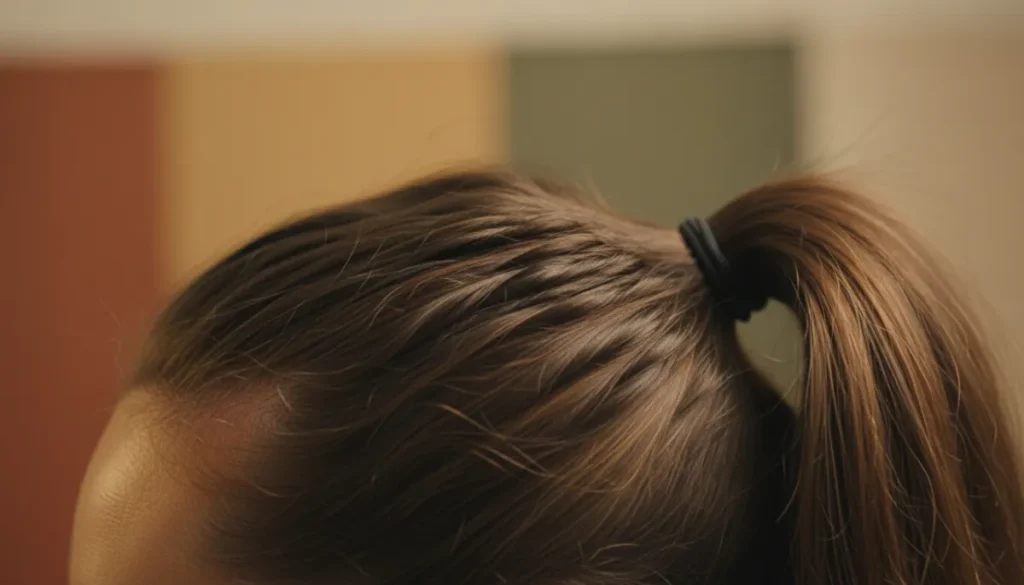
Switch to looser hairstyles that avoid pulling at the roots. Opt for low‑profile buns, loose braids, or let hair flow naturally whenever possible. Use soft hair ties made of fabric rather than elastic bands, and rotate your parting to distribute tension evenly.
Scalp Care Routine
A nourishing scalp routine can accelerate healing. Consider the following steps:
- Massage the scalp for 5‑10 minutes daily with a light oil (e.g., jojoba or argan) to improve circulation.
- Apply a mild, sulfate‑free shampoo to keep the scalp clean without stripping natural oils.
- Use a leave‑in conditioner that contains biotin or keratin to strengthen hair shafts.
Supplements and Nutrition
Dietary factors play a role in hair health. Ensure adequate intake of:
- Biotin (Vitamin B7) – 30 µg daily
- Vitamin D – 800–1000 IU daily
- Iron – especially for women with heavy menstrual cycles
- Protein – at least 0.8 g per kilogram of body weight
Consult a healthcare professional before starting any supplement regimen to avoid excess intake.
Medical Treatments and When to Seek Professional Care
If non‑surgical methods do not yield noticeable improvement within three to six months, it may be time to explore medical options. Early consultation with a dermatologist or hair‑loss specialist can prevent permanent follicle damage.
Topical Therapies
Prescription‑strength minoxidil (5 % solution) is commonly used to stimulate hair growth. Applied twice daily, it can increase follicular activity within 12‑16 weeks. For patients with inflammation, a low‑dose topical corticosteroid may reduce swelling and allow follicles to recover.
Platelet‑Rich Plasma (PRP) Injections
PRP therapy involves drawing a small amount of the patient’s blood, concentrating platelets, and injecting the serum into the affected scalp areas. Growth factors in the plasma promote tissue regeneration and have shown promising results in reversing early‑stage traction alopecia.
Low‑Level Laser Therapy (LLLT)
LLLT devices, such as laser combs or caps, emit red light wavelengths that improve cellular metabolism in hair follicles. Clinical studies suggest a modest increase in hair density after consistent use for several months.
The table below summarizes key medical options and typical outcomes:
| Treatment | Mechanism | Typical Results | Time to Noticeable Change |
|---|---|---|---|
| Minoxidil | Vasodilation, follicle stimulation | 10‑30 % increase in density | 3‑4 months |
| Topical Steroid | Anti‑inflammatory | Reduced redness, possible regrowth | 1‑2 months |
| PRP | Growth factor delivery | 20‑40 % improvement in thickness | 2‑3 months |
| LLLT | Photobiomodulation | 5‑15 % increase in shaft diameter | 4‑6 months |
Choosing the right treatment depends on the stage of alopecia, scalp condition, and personal preferences. A qualified dermatologist at Gold City Medical Center can tailor a plan that aligns with your goals.
Role of Hair Transplantation in Restoring Lost Hair
For individuals with advanced traction alopecia where follicles have become permanently scarred, hair transplantation offers a viable solution. The procedure involves harvesting healthy donor hair—typically from the occipital region—and implanting it into the balding zones.
Follicular Unit Extraction (FUE)
FUE is the most common technique, extracting individual follicular units with a micro‑punch tool. This method leaves minimal scarring and allows for a natural‑looking distribution of grafts.
Benefits Specific to Traction Alopecia
Because the affected area often retains some viable skin, grafts can integrate well, resulting in a seamless blend with existing hair. Additionally, the transplanted follicles are resistant to the original tension stresses if patients adopt healthier styling habits.
Success rates for FUE in traction alopecia are comparable to those for other forms of hair loss, with reported graft survival of 90‑95 % when post‑operative care is followed diligently.
Key considerations before surgery include:
- Ensuring the scalp is free from active inflammation.
- Confirming adequate donor hair density.
- Discussing realistic expectations regarding coverage and timeline.
Gold City Medical Center’s hair transplant team utilizes state‑of‑the‑art equipment and follows a meticulous protocol to maximize graft survival and patient comfort.
Lifestyle Adjustments and Long‑Term Maintenance
Even after successful treatment, maintaining hair health requires ongoing attention to daily habits and environmental factors.
Protective Styling
Adopt protective styles that minimize tension, such as loose twists, silk scarves, or pillowcases. Avoid heavy accessories that pull on the hairline.
Stress Management
Chronic stress can exacerbate hair loss. Incorporate relaxation techniques—mindfulness, yoga, or regular exercise—to keep cortisol levels balanced.
Regular Follow‑Up
Schedule periodic check‑ups with a dermatologist or hair specialist to monitor scalp health and adjust treatments as needed. Early detection of any recurrence allows for swift intervention.
Finally, remember that hair growth is a gradual process. Patience, consistency, and professional guidance are essential components of a successful recovery.
Why Choose Gold City Medical Center
Gold City Medical Center combines integrative medicine with cutting‑edge cosmetic expertise. Our multidisciplinary team includes dermatologists, hair‑restoration surgeons, and wellness specialists who collaborate to deliver personalized care for traction alopecia.
We prioritize evidence‑based treatments, state‑of‑the‑art technology, and a patient‑first approach. Whether you need a gentle scalp regimen, PRP therapy, or a full‑scale hair transplant, our clinic offers a seamless journey from diagnosis to lasting results.
Ready to restore your hair and confidence? Contact Gold City Medical Center today to schedule a comprehensive scalp assessment and explore the best solution for you.
Take the first step toward healthy hair—call us or fill out our online inquiry form now.
FAQ
What is traction alopecia and what causes it?
Traction alopecia is hair loss caused by chronic pulling or tension on the scalp, often from tight hairstyles.
How can I prevent traction alopecia with styling changes?
Use looser hairstyles, soft hair ties, and rotate your part to reduce constant tension on the same follicles.
What non‑surgical treatments help regrow hair in traction alopecia?
Gentle scalp massage, nourishing shampoos, biotin‑rich conditioners, and targeted supplements support follicle recovery.
When should I consider medical treatments like minoxidil or PRP?
If there is no noticeable improvement after 3‑6 months of gentle care, consult a dermatologist about prescription options.
Is hair transplantation an option for traction alopecia?
Yes, especially for advanced cases where follicles are scarred, using techniques like Follicular Unit Extraction (FUE).
How often should I follow up with a dermatologist for traction alopecia?
Schedule check‑ups every 3‑6 months initially, then annually once stability is achieved.





