When you search for a dermatologist scalp treatment, you’re looking for professional relief from persistent scalp issues that affect comfort, confidence, and overall skin health. Millions of people worldwide struggle with conditions such as dandruff, scalp psoriasis, and seborrheic dermatitis, often trying over‑the‑counter solutions with limited success.
According to recent dermatology surveys, up to 30 % of adults experience chronic scalp irritation at some point in their lives. This statistic highlights why a targeted, medically‑backed approach is essential for lasting improvement.
In this article we will explore the most common scalp disorders, explain how a dermatologist evaluates and treats them, discuss effective at‑home care, outline when professional intervention is necessary, and introduce cutting‑edge procedures that can enhance scalp health. By the end, you’ll understand how a qualified dermatologist can tailor a treatment plan that addresses the root cause rather than just the symptoms.
Understanding Common Scalp Conditions
Before selecting a treatment, it’s important to recognize the specific condition affecting the scalp. While many symptoms overlap, each disorder has distinct triggers and therapeutic needs.
Scalp Psoriasis
Scalp psoriasis is an autoimmune condition that accelerates skin cell turnover, leading to thick, silvery scales and intense itching. It often co‑exists with psoriasis on other body parts.
Seborrheic Dermatitis
Seborrheic dermatitis (sometimes called seborrhea) is characterized by oily, flaky patches that may appear yellowish. It is linked to an overgrowth of Malassezia yeast and can affect the face, eyebrows, and chest.
Dandruff vs. Dry Scalp
While dandruff results from excess yeast activity, a dry scalp stems from insufficient sebum production, leading to small white flakes and tightness.
- Redness and inflammation
- Itchy sensation
- Visible scaling or flaking
- Hair thinning in severe cases
| Condition | Primary Cause | Typical Appearance | Common Triggers |
|---|---|---|---|
| Scalp Psoriasis | Autoimmune response | Thick silvery plaques | Stress, genetics |
| Seborrheic Dermatitis | Malassezia overgrowth | Oily yellowish flakes | Cold weather, hormonal changes |
| Dandruff | Yeast proliferation | White or yellow flakes | Stress, oily skin |
| Dry Scalp | Lack of sebum | Fine white flakes, tightness | Low humidity, harsh shampoos |
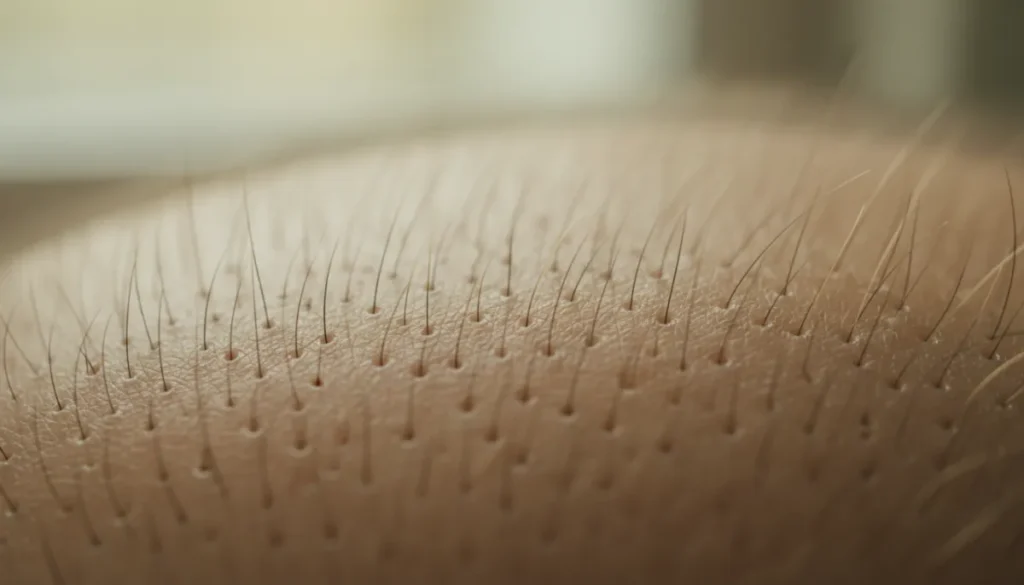
What a Dermatologist Can Do: Diagnosis and Treatment Options
A qualified dermatologist employs a systematic approach to pinpoint the exact cause of scalp distress and to design a personalized dermatologist scalp treatment plan.
Clinical Examination and Tools
Initial assessment includes a visual inspection, dermoscopic examination, and sometimes a skin scraping or biopsy to rule out infections or malignancy.
Targeted Therapeutic Modalities
Based on the diagnosis, the dermatologist may prescribe one or more of the following treatments:
- Topical corticosteroids for rapid inflammation control.
- Vitamin D analogues (e.g., calcipotriene) for psoriasis.
- Antifungal shampoos or creams for seborrheic dermatitis.
- Coal tar preparations for chronic dandruff.
- Moisturizing agents and scalp oils for dry scalp relief.
| Treatment Type | Indicated For | Typical Duration | Key Benefits |
|---|---|---|---|
| Topical Steroids | Inflammatory scalp conditions | 2‑4 weeks | Quick itch reduction |
| Vitamin D Analogues | Scalp psoriasis | Ongoing | Regulates cell growth |
| Antifungal Shampoos | Seborrheic dermatitis, dandruff | 4‑6 weeks | Reduces yeast overgrowth |
| Moisturizing Scalp Oils | Dry scalp, mild irritation | Continuous | Restores barrier function |
At‑Home Care and Proven Products Recommended by Dermatologists
Even after a professional dermatologist scalp treatment, daily maintenance plays a crucial role in preventing recurrence.
Shampoos and Conditioners
Choose products formulated for your specific condition. For example, medicated shampoos containing ketoconazole are effective against seborrheic dermatitis, while salicylic‑acid shampoos help soften psoriasis scales.
Topical Agents and Scalp Serums
Lightweight serums with ingredients such as niacinamide, zinc pyrithione, or tea tree oil can soothe irritation and balance scalp microbiota.
- Use medicated shampoo 2‑3 times per week; alternate with a gentle cleanser.
- Apply serum to damp scalp after washing; avoid heavy oils that can clog pores.
- Limit heat styling and harsh chemical treatments.
| Product Type | Key Ingredient | Best For | Usage Frequency |
|---|---|---|---|
| Ketoconazole Shampoo | Ketoconazole | Seborrheic dermatitis, dandruff | 2‑3×/week |
| Salicylic Acid Shampoo | Salicylic acid | Scalp psoriasis | 2×/week |
| Zinc Pyrithione Serum | Zinc pyrithione | Itchy scalp, mild dandruff | Daily |
| Moisturizing Scalp Oil | Jojoba & argan oil | Dry scalp, tightness | Every wash |
When to Seek Professional Help: Red Flags and Follow‑Up Care
Most mild scalp issues can be managed at home, but certain signs indicate that a professional dermatologist scalp treatment is necessary to avoid complications.
Red‑Flag Symptoms
- Persistent bleeding or open sores
- Rapid hair loss or patchy alopecia
- Severe itching that disrupts sleep
- Spread of redness beyond the scalp
- Unexplained swelling or tenderness
Recommended Follow‑Up Schedule
After an initial visit, dermatologists typically suggest a follow‑up plan to monitor progress and adjust therapy.
| Visit Timing | Purpose | Typical Adjustments |
|---|---|---|
| 2 weeks | Assess early response | Modify potency of topical agents |
| 6 weeks | Evaluate symptom resolution | Introduce maintenance regimen |
| 3 months | Long‑term stability check | Consider preventive strategies |
Innovative Procedures: Laser and PRP Therapies for Scalp Health
For patients whose scalp conditions are resistant to conventional therapy, advanced procedures can provide additional relief and promote regeneration.
Low‑Level Laser Therapy (LLLT)
LLLT uses specific wavelengths to stimulate cellular activity, reduce inflammation, and improve blood flow. It is particularly effective for chronic seborrheic dermatitis and psoriasis when combined with topical agents.
Platelet‑Rich Plasma (PRP) Injections
PRP delivers concentrated growth factors directly to the scalp, encouraging tissue repair and hair follicle vitality. While primarily known for hair restoration, PRP also helps calm inflammatory scalp disorders.
- Non‑invasive, outpatient procedures.
- Minimal downtime; most patients resume normal activities within 24 hours.
- Typically require a series of 3‑4 sessions spaced 4‑6 weeks apart.
| Procedure | Mechanism | Ideal Candidates | Typical Course |
|---|---|---|---|
| Low‑Level Laser Therapy | Photobiomodulation | Refractory psoriasis, seborrheic dermatitis | 2‑3 sessions/week for 4‑6 weeks |
| PRP Injections | Growth‑factor delivery | Chronic inflammation, hair thinning with scalp irritation | 3‑4 sessions, 4‑6 weeks apart |
Why Choose Gold City Medical Center
Gold City Medical Center combines cutting‑edge dermatological expertise with a holistic approach to scalp health. Our team of board‑certified dermatologists tailors each dermatologist scalp treatment to the individual’s skin type, medical history, and lifestyle. With state‑of‑the‑art facilities, advanced laser and PRP options, and a commitment to patient education, we ensure lasting relief and renewed confidence.
Ready to restore a healthy, comfortable scalp? Contact Gold City Medical Center today to schedule your personalized consultation and start your journey toward lasting relief.
FAQ
What is a dermatologist scalp treatment and how does it differ from over‑the‑counter products?
A dermatologist scalp treatment is a medically supervised plan that targets the root cause of scalp disorders, using prescription‑strength medications and procedures unavailable in regular stores.
Which scalp conditions can be treated by a dermatologist?
Dermatologists can treat scalp psoriasis, seborrheic dermatitis, dandruff, dry scalp, and related inflammatory or infectious conditions.
How are scalp psoriasis and seborrheic dermatitis diagnosed?
Diagnosis combines visual inspection, dermoscopic evaluation, and sometimes skin scrapings or biopsies to differentiate between the two conditions.
What at‑home care steps should I follow after a professional scalp treatment?
Continue using dermatologist‑recommended shampoos, apply serums as directed, avoid harsh chemicals, and maintain a gentle cleansing routine.
When should I seek professional help for scalp issues?
Seek a dermatologist if you notice persistent bleeding, rapid hair loss, severe itching, spreading redness, or swelling.
What are the benefits of low‑level laser therapy and PRP for scalp health?
Both are non‑invasive procedures that stimulate cellular activity, reduce inflammation, and promote tissue regeneration in resistant scalp conditions.





