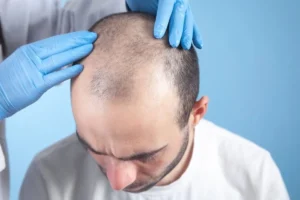
Experiencing headache hair loss simultaneously can be unsettling, and many people wonder if the two symptoms are linked. This article explores the medical reasons behind this combination, highlights when it signals a deeper health issue, and outlines practical steps you can take. According to recent health surveys, up to 12% of individuals reporting chronic headaches also notice increased hair shedding, underscoring the importance of a comprehensive evaluation.
We will examine the physiological pathways that connect scalp tension, hormonal fluctuations, and stress responses to both pain and follicular health. By understanding these mechanisms, you can better interpret your body’s signals and seek targeted care.
Whether you are dealing with occasional tension headaches or persistent migraine episodes, recognizing the early signs of hair thinning can prevent long‑term alopecia. Let’s dive into the science, the common culprits, and the integrative solutions available at Gold City Medical Center.
Understanding the Connection Between Headaches and Hair Loss
While headaches and hair loss may seem unrelated, they often share underlying triggers. Vascular tension, inflammation, and hormonal imbalances can simultaneously affect the scalp’s nerve endings and hair follicles, leading to the dual presentation of headache hair loss.

Key factors that commonly link these symptoms include:
- Stress‑induced tension in the neck and scalp muscles.
- Hormonal shifts, especially cortisol and thyroid hormones.
- Inflammatory conditions such as alopecia areata or scalp psoriasis.
- Medication side effects, for example certain migraine prophylactics.
Below is a comparison of typical headache types and associated hair‑related signs:
| Headache Type | Common Triggers | Hair‑Related Signs |
|---|---|---|
| Tension Headache | Muscle strain, poor posture | Localized scalp tenderness, mild shedding |
| Migraine | Hormonal fluctuations, stress | Diffuse thinning, telogen effluvium |
| Cluster Headache | Neurological triggers | Rarely directly linked, but medication may affect hair |
Recognizing these patterns helps clinicians pinpoint whether the headache is a symptom of a broader systemic issue that also influences hair health.
How Stress Impacts Both Headaches and Hair Health
Stress is a powerful driver of both chronic headaches and various forms of alopecia, including telogen effluvium and alopecia areata. When the body perceives stress, it releases cortisol, which can constrict blood vessels in the scalp and trigger muscular tension, leading to headache pain.
Simultaneously, elevated cortisol disrupts the normal hair growth cycle, pushing follicles into the shedding phase (telogen). This explains why many patients report a sudden increase in hair fall after a period of intense emotional or physical stress.
Key physiological responses include:
- Increased sympathetic nervous system activity.
- Reduced blood flow to the scalp, limiting nutrient delivery.
- Immune system dysregulation, potentially aggravating autoimmune alopecia.
Managing stress through lifestyle modifications—regular exercise, mindfulness meditation, and adequate sleep—can mitigate both headache frequency and hair loss severity. In cases where stress is chronic, a multidisciplinary approach that combines neurology, dermatology, and psychology yields the best outcomes.
Medical Conditions Linking Headaches and Hair Loss
Beyond stress, several medical conditions directly associate headache hair loss symptoms. Hormonal disorders, autoimmune diseases, and nutritional deficiencies often present with both cranial pain and follicular disruption.
Important conditions to consider:
| Condition | Headache Characteristics | Hair Loss Pattern |
|---|---|---|
| Hypothyroidism | Dull, persistent ache | Diffuse thinning, often frontal |
| Polycystic Ovary Syndrome (PCOS) | Occasional tension headaches | Androgenic alopecia pattern |
| Iron Deficiency Anemia | Headache worsens with fatigue | Hair shedding across the crown |
| Autoimmune Alopecia Areata | May coincide with migraine aura | Patchy bald spots |
Identifying these links requires comprehensive blood work, hormonal panels, and scalp examinations. Early detection enables targeted therapy—such as thyroid hormone replacement, iron supplementation, or immunomodulatory treatments—that can alleviate both headache intensity and hair loss progression.
When to Seek Professional Evaluation
Not every headache or hair shedding episode warrants immediate medical attention, but certain warning signs suggest an underlying disorder that needs prompt care. If you notice the following, schedule a consultation with a qualified specialist.
- Headaches that persist longer than two weeks or worsen in intensity.
- Sudden, excessive hair shedding (more than 100 strands per day).
- Scalp pain or tenderness localized to a specific area.
- Accompanying symptoms such as vision changes, dizziness, or unexplained weight loss.
- Family history of migraines or alopecia.
During the evaluation, clinicians will typically perform:
- A detailed medical history and symptom diary.
- Physical examination of the scalp and neurological assessment.
- Laboratory tests (thyroid function, iron studies, hormonal panels).
- Imaging if indicated (MRI or CT for chronic headache work‑up).
Early intervention not only improves quality of life but also increases the likelihood of reversing hair loss, especially when the cause is treatable.
Integrative Approaches to Managing Symptoms
Gold City Medical Center embraces an integrative model that combines conventional medicine with evidence‑based complementary therapies. This holistic strategy addresses both the neurological and dermatological aspects of headache hair loss to promote lasting relief.
Key components of the program include:
- Targeted Scalp Microneedling – stimulates blood flow and collagen production, supporting follicle health.
- Medical‑grade PRP (Platelet‑Rich Plasma) injections – delivers growth factors to reduce inflammation and encourage hair regrowth.
- Personalized stress‑management plans – mindfulness, yoga, and biofeedback to lower cortisol levels.
- Nutritional counseling – optimizing intake of iron, zinc, vitamin D, and omega‑3 fatty acids.
- Medication review – adjusting migraine prophylactics that may contribute to hair shedding.
Patients typically experience a reduction in headache frequency within weeks and visible hair improvement over several months, thanks to the synergistic effect of these modalities.
Why Choose Gold City Medical Center
Gold City Medical Center offers a uniquely integrative approach that blends advanced medical expertise with personalized cosmetic care. Our team of neurologists, dermatologists, and wellness specialists collaborates to create a comprehensive plan tailored to each patient’s needs. With state‑of‑the‑art facilities and a commitment to evidence‑based treatments, we ensure safe, effective solutions for both headache relief and hair restoration.
Ready to regain control over your health and confidence? Contact Gold City Medical Center today to schedule a personalized assessment and start your journey toward pain‑free days and fuller hair.
Call us or fill out the online form – our specialists are waiting to help you.
FAQ
Can headaches cause hair loss?
Headaches themselves don’t directly cause hair loss, but shared triggers like stress and hormonal changes can lead to both conditions.
What types of headaches are most associated with hair loss?
Tension headaches and migraines are most commonly linked to hair loss because they often involve stress and hormonal fluctuations.
Which medical conditions can cause both headaches and hair loss?
Conditions such as hypothyroidism, PCOS, iron‑deficiency anemia, and autoimmune alopecia can present with both symptoms.
When should I see a doctor for combined headache and hair loss symptoms?
Seek medical evaluation if headaches last more than two weeks, hair shedding exceeds 100 strands per day, or you notice scalp pain and other systemic symptoms.
What integrative treatments does Gold City Medical Center offer for these issues?
The center provides scalp microneedling, PRP injections, personalized stress‑management plans, nutritional counseling, and medication reviews.