Female hair implants have become a popular solution for women seeking to regain a fuller, natural‑looking hairstyle without relying on temporary products. Whether the hair loss is due to genetics, hormonal changes, or medical conditions, modern transplant techniques can deliver lasting results that blend seamlessly with existing hair.
In this article we explore the science behind hair loss in women, the most effective implant methods, what to expect during and after the procedure, and how to evaluate costs and choose a reputable clinic. By understanding each step, you can make an informed decision that aligns with your aesthetic goals and budget.
Did you know that over 40 % of women experience noticeable thinning by the age of 50? This statistic underscores the growing demand for reliable, minimally invasive hair restoration options that cater specifically to female patterns of loss.
Read on to discover how female hair implants can transform not only your appearance but also your confidence.
Understanding Female Hair Loss and Implant Options
Hair loss in women differs from the classic male pattern, often presenting as diffuse thinning across the crown, widening part, or a receding hairline. Common causes include hereditary factors, thyroid disorders, stress, and post‑partum hormonal shifts. Before considering any surgical solution, a thorough medical evaluation is essential to identify underlying conditions that may affect the success of a transplant.
Once a diagnosis is confirmed, several hair transplant for women options become available:
- Follicular Unit Extraction (FUE) – individual follicles are harvested and implanted one by one, leaving virtually invisible scars.
- Follicular Unit Transplantation (FUT) – a strip of scalp is removed, divided into grafts, and placed in the thinning area.
- Scalp Micropigmentation – a non‑surgical pigment treatment that simulates the appearance of hair density.
- Platelet‑Rich Plasma (PRP) therapy – a supportive treatment that can improve graft survival and stimulate natural growth.
Among these, female hair implants most commonly refer to FUE and FUT procedures, both of which involve moving healthy hair follicles from a donor area (usually the back of the head) to the zones of loss. The choice between techniques depends on the extent of thinning, donor hair availability, and personal preferences regarding scarring and recovery time.
When evaluating options, consider the following factors:
| Factor | FUE | FUT |
|---|---|---|
| Scarring | Minimal, dot‑like | Linear scar |
| Recovery Time | 5‑7 days | 7‑10 days |
| Graft Yield | Lower per session | Higher per session |
| Ideal For | Patients preferring no visible scar | Patients needing large graft numbers |
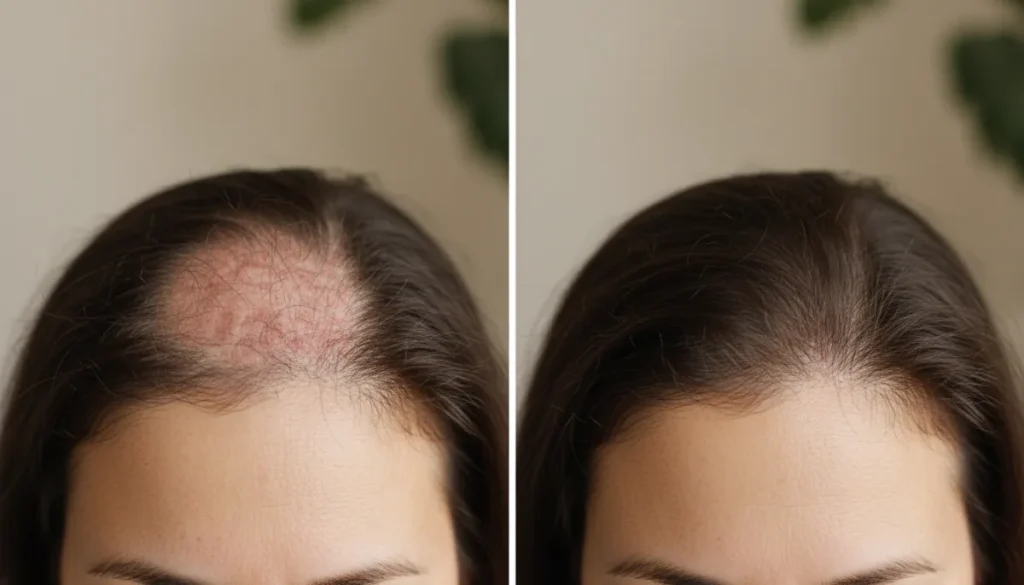
The FUE vs. FUT Techniques for Women
Both FUE and FUT have proven effective for hair replacement for women, yet each technique offers distinct advantages. Understanding these differences helps you align the procedure with your lifestyle and aesthetic expectations.
Follicular Unit Extraction (FUE)
FUE involves extracting individual follicular units using a micro‑punch device, typically ranging from 0.7 mm to 1.0 mm in diameter. The method is prized for its minimal invasiveness and virtually scar‑free outcome, making it especially appealing for women who prefer to wear short hairstyles.
Key benefits include:
- Quick healing with less postoperative discomfort.
- Flexibility to harvest grafts from multiple donor sites if needed.
- Reduced risk of noticeable scarring, which is important for women who may part hair in various styles.
Follicular Unit Transplantation (FUT)
FUT, also known as the strip method, removes a narrow strip of scalp from the donor area, which is then dissected into individual grafts under a microscope. This technique can yield a larger number of grafts in a single session, making it suitable for extensive thinning or when the donor area is limited.
Advantages of FUT include:
- Higher graft count per session, potentially reducing the number of required surgeries.
- More predictable graft quality due to controlled dissection.
- Cost efficiency for large‑area coverage.
While FUT leaves a linear scar, it can be easily concealed by longer hair. The decision often hinges on the desired density, the size of the balding area, and personal tolerance for scar visibility.
What to Expect: Procedure, Recovery, and Results
The journey from consultation to final results involves several stages, each designed to maximize graft survival and ensure a natural appearance. Below is a typical timeline for female hair implants performed using either FUE or FUT.
| Stage | What Happens | Typical Duration |
|---|---|---|
| Consultation & Planning | Medical assessment, scalp analysis, and personalized transplant design. | 1‑2 weeks |
| Procedure Day | Local anesthesia, graft extraction, and implantation. | 4‑8 hours |
| Immediate Recovery | Post‑operative care, mild swelling, and possible scabbing. | 5‑7 days |
| Hair Shedding Phase | Transplanted hairs fall out as they enter a resting phase. | 2‑3 weeks |
| Growth Phase | New hair emerges, gradually thickening. | 3‑6 months |
| Final Result | Full, natural‑looking density achieved. | 9‑12 months |
During the first week, patients may experience mild discomfort, which can be managed with prescribed pain relievers. Gentle washing is allowed after 48 hours, and most women resume light activities within a few days. Strenuous exercise and direct sun exposure should be avoided for at least two weeks to protect the grafts.
Visible results typically begin to appear after three months, as the transplanted follicles enter the anagen (growth) phase. Patience is key; the full transformation is usually evident by the ninth to twelfth month, delivering a natural hairline that matches the surrounding texture.
Cost Considerations and Financing Options
Understanding the financial aspect of hair implants for women helps set realistic expectations. Prices vary based on the number of grafts, technique, clinic reputation, and geographic location. Below is a general cost breakdown for common scenarios.
- FUE: $4‑$7 per graft, typically requiring 800‑1500 grafts for moderate thinning.
- FUT: $3‑$5 per graft, often more cost‑effective for larger sessions.
- Additional expenses: pre‑operative labs, post‑operative medications, and optional PRP sessions.
When budgeting, consider the long‑term value of a permanent solution versus ongoing purchases of wigs, extensions, or topical treatments. Many clinics offer financing plans, allowing patients to spread the cost over monthly installments without high interest.
It is also advisable to request a detailed quote that outlines all fees, including any potential revision procedures. Transparent pricing ensures there are no surprises and helps you compare options objectively.
Choosing the Right Clinic and Aftercare
Selecting a qualified provider is crucial for achieving optimal outcomes. Here are key criteria to evaluate when looking for a clinic that offers female hair implants:
- Board‑certified surgeons with specific experience in women’s hair restoration.
- Before‑and‑after photo galleries featuring real female patients.
- Use of advanced equipment such as motorized FUE devices and high‑resolution microscopes.
- Comprehensive pre‑operative assessment and personalized treatment plans.
- Clear post‑operative support, including follow‑up visits and access to a dedicated care team.
After the procedure, diligent aftercare maximizes graft survival. Recommendations typically include:
- Gentle scalp massage after the first week to improve circulation.
- Avoidance of harsh chemicals, heat styling, and tight hairstyles for at least three months.
- Regular use of prescribed shampoos or serums that promote healing.
- Scheduled check‑ins with the clinic to monitor progress and address any concerns.
By adhering to these guidelines, women can enjoy lasting, natural‑looking results that enhance both appearance and confidence.
Why Choose Gold City Medical Center
Gold City Medical Center combines cutting‑edge technology with a holistic approach to hair restoration. Our team of experienced specialists tailors each female hair implant procedure to the individual’s unique pattern of loss, ensuring a natural hairline and optimal density. We prioritize patient comfort, offering minimally invasive FUE techniques, state‑of‑the‑art facilities, and comprehensive aftercare support. Trust a center that integrates medical expertise with aesthetic excellence for lasting confidence.
Ready to start your transformation? Contact Gold City Medical Center today to schedule a personalized consultation and discover how female hair implants can give you the natural, vibrant look you deserve.
Take the first step toward renewed confidence—your journey to fuller hair begins now.
FAQ
What are the main causes of hair loss in women?
Common causes include genetics, hormonal changes, thyroid disorders, stress, and post‑partum hormonal shifts.
How does FUE differ from FUT for female hair transplants?
FUE extracts individual follicles with tiny dot‑like scars, while FUT removes a strip of scalp, leaving a linear scar but yielding more grafts per session.
What is the typical recovery timeline after a female hair implant?
Recovery spans about 5‑7 days for initial healing, with shedding at 2‑3 weeks, growth starting at 3 months, and full results by 9‑12 months.
How much do female hair implants cost and are there financing options?
FUE costs $4‑$7 per graft (800‑1500 grafts typical) and FUT $3‑$5 per graft; many clinics offer interest‑free financing plans.
What should I look for when choosing a hair transplant clinic for women?
Seek board‑certified surgeons with women’s hair restoration experience, real before‑after photos, advanced equipment, and comprehensive aftercare.
Can PRP therapy improve the results of a hair transplant for women?
Yes, PRP can enhance graft survival and stimulate natural hair growth when used alongside FUE or FUT.





