When considering a permanent solution for thinning hair, the phrase hair surgery before and after often tops the search list. Understanding the journey—from the initial consultation to the final results—helps you set realistic expectations and choose the right clinic. In fact, over 70% of men and women report that seeing authentic before‑and‑after photos reduces anxiety and improves confidence in their decision.
This article walks you through the entire process, covering the most common techniques, essential pre‑operative steps, what happens on the day of the operation, and the crucial post‑operative care that shapes the final outcome. By the end, you’ll know how to evaluate results, avoid common myths, and recognize the signs of a successful hair restoration.
Whether you are exploring a hairline transplant, a full‑scalp FUE procedure, or a hair graft solution, the information below equips you with the knowledge to make an informed choice.
Understanding Hair Surgery: Types and Techniques
Modern hair restoration offers several methods, each tailored to specific patterns of loss and patient goals. The most popular approaches include:
- Follicular Unit Extraction (FUE): Individual follicles are harvested from the donor area and implanted one by one, minimizing scarring.
- Follicular Unit Transplantation (FUT): A strip of scalp is removed, dissected into grafts, and placed into the recipient zone.
- Hairline Transplant: Focused graft placement to recreate a natural hairline, often used for receding foreheads.
- Beard Transplant: Similar technique applied to facial hair restoration.
When reviewing hair surgery before and after galleries, look for consistent density, natural direction, and seamless blending with existing hair. Clinics in Turkey, especially Istanbul, have become renowned for high‑volume expertise, offering competitive pricing without compromising quality.
| Technique | Ideal Candidates | Typical Recovery |
|---|---|---|
| FUE | Patients seeking minimal scarring | 7‑10 days |
| FUT | Those requiring large graft numbers | 10‑14 days |
| Hairline Transplant | Receding front hairline | 7‑10 days |
| Beard Transplant | Facial hair thinning | 7‑10 days |
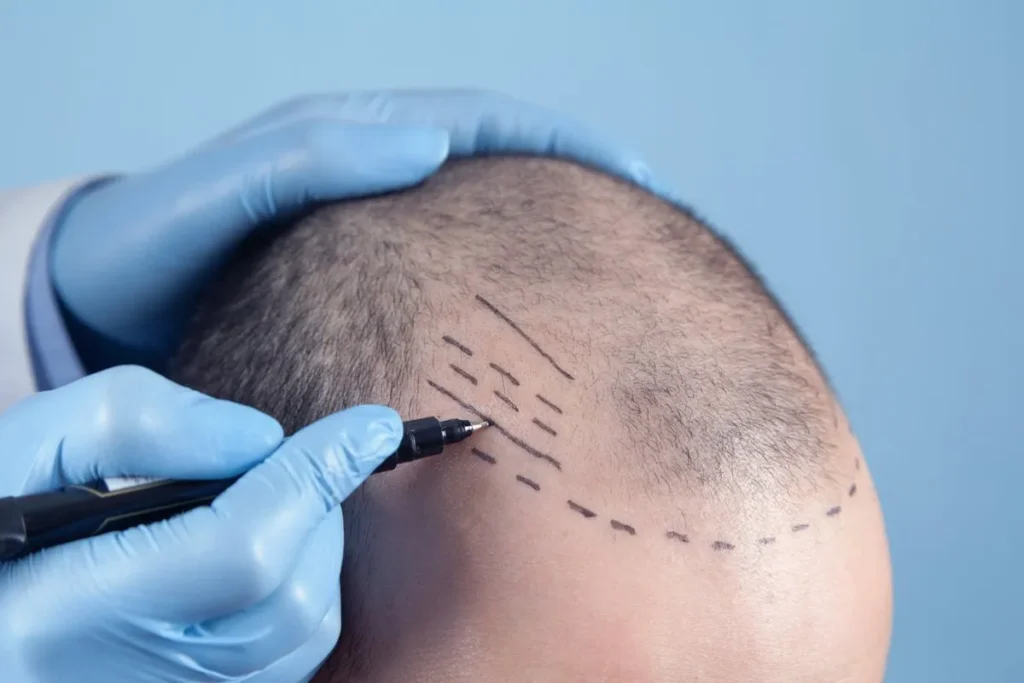
Preparing for Your Procedure: What to Do Before Surgery
Proper preparation sets the stage for optimal results. A thorough pre‑operative plan includes medical evaluation, medication adjustments, and lifestyle considerations. Most surgeons request a hair transplant before and after photo set to assess donor density and plan graft placement.
Key steps before the operation:
- Schedule a comprehensive consultation to discuss goals and review hair transplant images before and after examples.
- Discontinue blood‑thinning medications (e.g., aspirin, ibuprofen) at least one week prior, unless advised otherwise.
- Stop smoking and limit alcohol consumption to improve healing.
- Shave the donor area only if required by the chosen technique; many clinics now accept unshaved FUE.
- Arrange post‑operative care, including a comfortable recovery space and a follow‑up schedule.
Understanding the expected timeline helps you plan work, social events, and any travel. Most patients report that clear pre‑op instructions reduce anxiety and contribute to smoother healing.
The Day of Surgery: Step‑by‑Step Experience
On the day of the operation, the clinic follows a standardized protocol to ensure safety and comfort. From the moment you arrive, the team monitors vital signs, explains the procedure, and addresses any last‑minute concerns.
Typical sequence:
- Check‑in and consent: Review medical history and sign consent forms.
- Local anesthesia: Numbs the donor and recipient areas; patients remain fully awake.
- Graft extraction: Depending on the method, follicles are harvested either individually (FUE) or as a strip (FUT).
- Graft placement: Precise incisions are made, and grafts are implanted following the planned pattern.
- Post‑procedure briefing: Instructions on medication, activity restrictions, and follow‑up appointments.
The entire process usually lasts between 4 and 8 hours, varying with the number of grafts. Throughout, the surgeon monitors for any signs of discomfort, ensuring a smooth experience.
Post‑Op Care and Results: Seeing the Transformation
After the procedure, the real magic begins. The phrase hair surgery before and after becomes tangible as new follicles take root and start growing. Initial shedding of transplanted hairs is normal and signals the start of the regeneration cycle.
Critical post‑operative guidelines:
- Keep the scalp clean; gentle shampooing starts 48‑72 hours post‑surgery.
- Avoid direct sunlight and strenuous exercise for the first two weeks.
- Take prescribed antibiotics and anti‑inflammatory medication as directed.
- Follow up with the clinic at 1 week, 1 month, and 3 months to monitor progress.
Visible growth typically appears after 3‑4 months, with full density emerging around 12‑18 months. When reviewing hair transplant before after pictures, notice the gradual thickening and natural hairline formation. Patience is essential; results vary based on individual healing, graft quality, and after‑care compliance.
Realistic Expectations vs. Myths: What the Results Really Mean
Social media often showcases dramatic celebrity hair transplants that set unrealistic standards. While many famous actors have benefited from modern techniques, results depend on factors like donor hair quality, age, and the extent of loss.
Common myths debunked:
- Myth: All hair transplants look identical.
Fact: Individual hair characteristics and surgeon skill create unique outcomes. - Myth: Immediate full coverage is possible.
Fact: Growth is gradual; full density takes up to 18 months. - Myth: Only men can benefit.
Fact: Women with pattern loss also achieve natural results.
When evaluating hair surgery before and after galleries, focus on the naturalness of hair direction, the integration with existing hair, and the timeline of photos. Transparent clinics provide a series of images taken at consistent intervals, helping you gauge realistic outcomes.
Why Choose Gold City Medical Center
Gold City Medical Center combines cutting‑edge technology with a personalized, integrative approach to hair restoration. Our team of board‑certified surgeons specializes in FUE, FUT, and hairline transplants, delivering natural‑looking results for both men and women. By adhering to strict safety protocols and offering comprehensive after‑care, we ensure each patient experiences a smooth journey from consultation to final outcome.
Located in a modern facility, we provide a comfortable environment, transparent pricing, and a commitment to evidence‑based practices. Choose us for a trusted partner in achieving lasting confidence through hair restoration.
Ready to see your own hair surgery before and after transformation? Contact Gold City Medical Center today to schedule a confidential consultation and take the first step toward a fuller, natural look.
FAQ
What are the main differences between FUE and FUT hair transplant techniques?
FUE extracts individual follicles, leaving minimal scarring, while FUT removes a strip of scalp that is later divided into grafts, resulting in a linear scar.
How should I prepare for a hair transplant surgery?
Preparation includes a medical evaluation, stopping blood‑thinners, avoiding smoking and alcohol, and possibly shaving the donor area.
What can I expect on the day of the hair transplant?
The day involves check‑in, local anesthesia, graft extraction, placement, and post‑procedure briefing, lasting 4‑8 hours.
How long does it take to see visible results after a hair transplant?
Initial shedding occurs within weeks, with noticeable growth after 3‑4 months and full density by 12‑18 months.
What are common myths about hair transplant results?
Myths include that all transplants look identical, results are immediate, and only men benefit; reality is outcomes are individualized and develop over time.
Why should I choose Gold City Medical Center for my hair restoration?
Gold City offers board‑certified surgeons, advanced FUE/FUT techniques, personalized care, and a modern facility with transparent pricing.





