When damaged follicles compromise the scalp, the result can be thinning, breakage, and even permanent hair loss. This article explains what leads to follicle damage, how to spot it early, and the most effective ways to repair and protect hair growth. Every year, millions of people notice unexplained shedding, yet few recognize that underlying follicular injury may be the cause.
Recent dermatology studies show that up to 30 % of individuals with scalp irritation develop some degree of follicle impairment if the condition is left untreated. Recognizing the problem early can dramatically improve the chances of full recovery, especially when combined with professional care.
We will explore the biology of the hair follicle, identify common risk factors, and outline medical and lifestyle strategies that help restore healthy hair. Whether you are dealing with occasional itching or significant thinning, the information below will guide you toward informed decisions and effective solutions.
What Causes Damage to Hair Follicles?
Hair follicles can be harmed by a variety of internal and external factors. Understanding these triggers is essential for prevention and treatment.
Common Scalp Conditions
Inflammatory disorders such as folliculitis—often caused by bacterial or fungal infections—directly attack the follicle wall, leading to swelling and scarring. Repeated episodes of scalp acne or pseudofolliculitis barbae can also weaken the hair root, making it more susceptible to breakage.
Physical and Chemical Trauma
Frequent use of harsh styling products, excessive heat, and aggressive grooming techniques (including tight braiding, waxing, or plucking) can strip the follicle of its protective layers. Even routine shampooing with high‑pH cleansers can disrupt the scalp’s natural barrier, especially in individuals with sensitive skin.
Systemic Factors
Hormonal imbalances, nutritional deficiencies, and chronic stress affect the blood supply to the hair bulb, reducing the nutrients required for healthy growth. Autoimmune conditions like alopecia areata target the follicle itself, causing rapid and sometimes irreversible damage.
- Infections (bacterial, fungal, viral)
- Mechanical irritation (tight hairstyles, frequent pulling)
- Chemical exposure (bleaching, harsh dyes)
- Hormonal changes (thyroid, androgen levels)
- Nutrient shortfalls (iron, zinc, biotin)
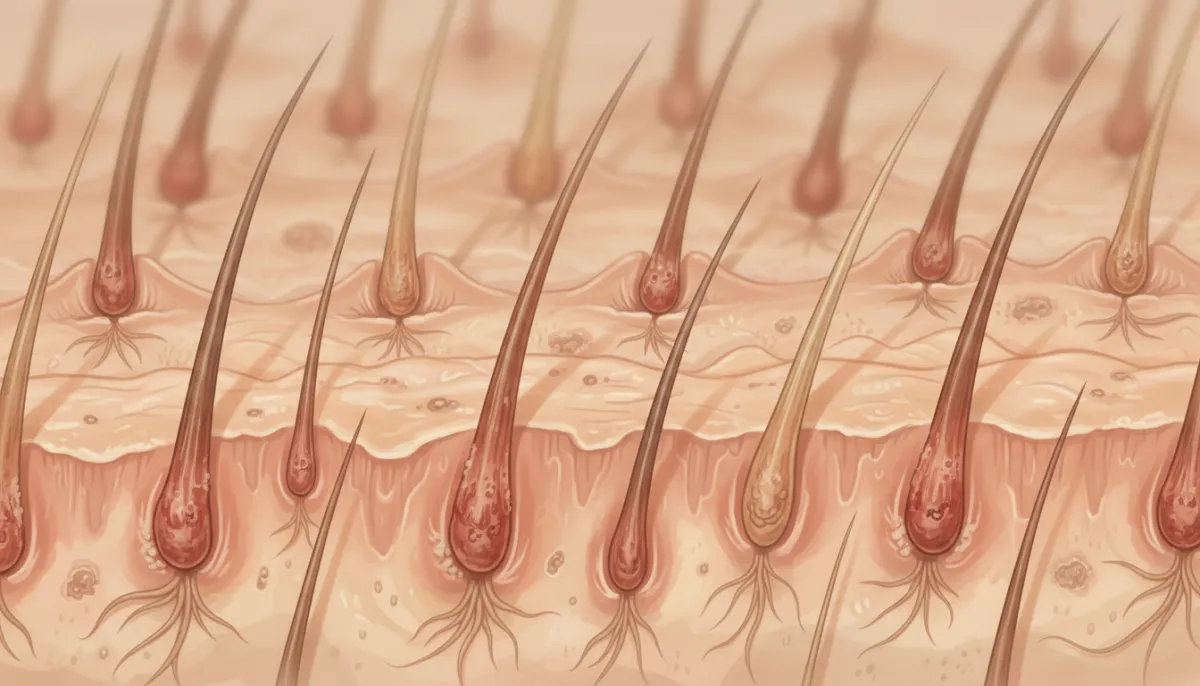
Recognizing the Signs of Follicle Damage
Early detection of follicle injury can prevent long‑term hair loss. Several visual and tactile cues indicate that the hair root may be compromised.
Visual Symptoms
Look for red or pink bumps that feel tender, especially around the crown or hairline. These may appear as small pustules in cases of bacterial folliculitis or as dry, flaky patches in fungal infections. In advanced stages, the scalp can develop scar tissue that appears lighter in color and feels firm to the touch.
Texture Changes
When the follicle is damaged, newly grown hair often feels thinner, softer, or unusually brittle. You may notice a “spun glass” appearance—fine, frizzy strands that break easily—indicating that the hair shaft is not receiving adequate support from the underlying follicle.
| Symptom | Possible Cause | Typical Appearance |
|---|---|---|
| Red, painful bumps | Folliculitis (bacterial) | Pustules with white heads |
| Dry, scaly patches | Fungal infection | White or yellowish flakes |
| Fine, brittle strands | Follicle scarring | Thin, translucent hair shafts |
Identifying these signs promptly allows for targeted therapy before permanent follicular loss occurs.
Treatment Options for Restoring Damaged Follicles
Modern medicine offers several pathways to revive damaged follicles and promote healthy regrowth. The choice of treatment depends on the underlying cause, severity, and patient preferences.
Medical Therapies
Topical antibiotics such as clindamycin or oral agents like doxycycline target bacterial folliculitis, reducing inflammation and allowing the follicle to heal. Antifungal creams (ketoconazole) are effective against fungal scalp infections, while corticosteroid lotions can calm severe inflammation.
Advanced Procedures
Platelet‑Rich Plasma (PRP) therapy harnesses the patient’s own growth factors to stimulate the hair bulb and improve vascular supply. Low‑level laser therapy (LLLT) uses specific wavelengths to activate cellular metabolism within the follicle, encouraging thicker strands. For cases where the follicle structure is irreparably lost, hair transplant surgery—performed by skilled specialists—relocates healthy follicles from a donor area to the affected region.
- Topical antibiotics (e.g., clindamycin)
- Oral anti‑inflammatories (e.g., doxycycline)
- Antifungal agents (e.g., ketoconazole)
- PRP injections
- Low‑level laser therapy
- Hair transplant (FUE or FUT techniques)
Combining medical therapy with procedural interventions often yields the best outcomes, especially when the damage is moderate to severe.
Preventive Care and Lifestyle Tips
Maintaining a healthy scalp environment reduces the risk of future follicle injury and supports ongoing hair growth.
Scalp Hygiene
Choose gentle, pH‑balanced shampoos that cleanse without stripping natural oils. Regularly exfoliate the scalp with mild chemical or physical agents to prevent follicle clogging. Avoid excessive use of styling gels, hairsprays, and oily conditioners that can trap bacteria.
Nutrition and Supplements
Hair follicles thrive on a steady supply of iron, zinc, biotin, and omega‑3 fatty acids. Incorporating foods such as leafy greens, nuts, fish, and legumes can provide these essential nutrients. For individuals with documented deficiencies, targeted supplements can accelerate follicular recovery.
- Wash hair 2–3 times weekly with gentle cleanser
- Use a scalp brush to improve circulation
- Include protein‑rich foods (lean meat, legumes)
- Take a daily biotin supplement (30 µg) if needed
- Stay hydrated to support skin elasticity
Adopting these habits not only protects existing follicles but also creates an optimal setting for new growth after treatment.
When to Seek Professional Help
If you notice persistent redness, pain, or rapid hair thinning, it is time to consult a specialist. Dermatologists and hair restoration experts can perform diagnostic tests—including dermoscopy and laboratory analysis—to pinpoint the exact cause of follicle damage.
Referral to Specialists
Patients with recurrent folliculitis or unexplained hair loss benefit from a comprehensive evaluation that may include blood work, scalp biopsies, and imaging. Early intervention can prevent permanent scarring and improve the success rate of restorative procedures.
Do not wait for the problem to worsen; professional assessment ensures that appropriate therapy is started promptly, maximizing the likelihood of full follicle recovery.
Why Choose Gold City Medical Center
Gold City Medical Center combines cutting‑edge technology with an integrative approach to hair health. Our team of experienced dermatologists, trichologists, and cosmetic surgeons collaborates to deliver personalized treatment plans that address the root cause of damaged follicles. From advanced PRP sessions to state‑of‑the‑art hair transplant techniques, we prioritize safety, efficacy, and patient comfort. Trust our expertise to guide you toward lasting hair restoration.
Ready to restore your hair’s natural vitality? Contact Gold City Medical Center today to schedule a comprehensive scalp assessment and discover the most effective treatment for your needs.
Call us or fill out the online form—our specialists are waiting to help you achieve healthy, resilient hair.
FAQ
What are the common causes of damaged hair follicles?
Hair follicles can be damaged by scalp infections, harsh styling practices, chemical exposure, hormonal imbalances, and nutritional deficiencies.
How can I recognize the signs of follicle damage?
Look for red or painful bumps, dry scaly patches, and hair that feels thin, brittle, or frizzy.
What medical treatments are available for damaged follicles?
Topical antibiotics, oral anti‑inflammatories, antifungal creams, PRP injections, low‑level laser therapy, and hair transplant surgery are common options.
Are PRP therapy and low‑level laser therapy effective for hair regrowth?
Both PRP and LLLT have shown promising results in stimulating follicle activity and improving hair density.
How can I prevent follicle damage through scalp care?
Use gentle, pH‑balanced shampoos, avoid harsh styling products, keep the scalp clean, and maintain a nutrient‑rich diet.
When should I see a dermatologist for follicle problems?
If you notice persistent redness, pain, rapid thinning, or recurring folliculitis, schedule a professional evaluation.
What role do nutrition and supplements play in follicle health?
Adequate intake of iron, zinc, biotin, protein, and omega‑3 fatty acids supports follicle function and can accelerate recovery.
What are the options for permanent hair restoration if follicles are severely damaged?
Hair transplant surgery (FUE or FUT) is the primary solution for permanently restoring hair when follicles are lost.





