Hairline recession is a common concern that affects both men and women, often beginning subtly before becoming more noticeable. This article explains the underlying causes, early warning signs, and a range of treatment options—including medical, cosmetic, and surgical approaches—so you can make informed decisions about restoring a healthy hairline. According to recent dermatology surveys, up to 40% of adults notice some degree of frontal hair loss by age 35, highlighting the importance of early detection and proactive care.
We will explore why a hairline may start to recede, how to differentiate normal maturing hairline changes from true recession, and which lifestyle adjustments can slow the process. Whether you are dealing with a receding hairline men often experience or a female receding hairline, understanding the science behind it empowers you to choose the right solution.
Finally, we will introduce the specialized services offered by Gold City Medical Center, a clinic that combines integrative medical expertise with advanced hair restoration techniques. Let’s begin the journey toward a fuller, more confident appearance.
What Causes Hairline Recession?
The primary driver of hairline recession is genetics, but a variety of additional factors can accelerate the process. Understanding these contributors helps you target preventive measures effectively.
- Genetic predisposition: Family history of frontal baldness often predicts earlier onset.
- Hormonal changes: Elevated dihydrotestosterone (DHT) levels shrink hair follicles, especially in men.
- Stress and cortisol spikes: Chronic stress can push hairs into the telogen (resting) phase.
- Nutritional deficiencies: Lack of iron, zinc, or biotin can weaken hair at the scalp edge.
- Medical conditions: Thyroid disorders, autoimmune diseases, and scalp infections contribute to thinning hairline.
- Styling habits: Tight hairstyles and excessive heat can cause traction alopecia, mimicking recession.
In many cases, a combination of these elements leads to a receding hairline that appears more pronounced over time. For example, a mature hairline vs receding distinction often hinges on whether the hairline continues to move backward beyond the typical adult pattern.
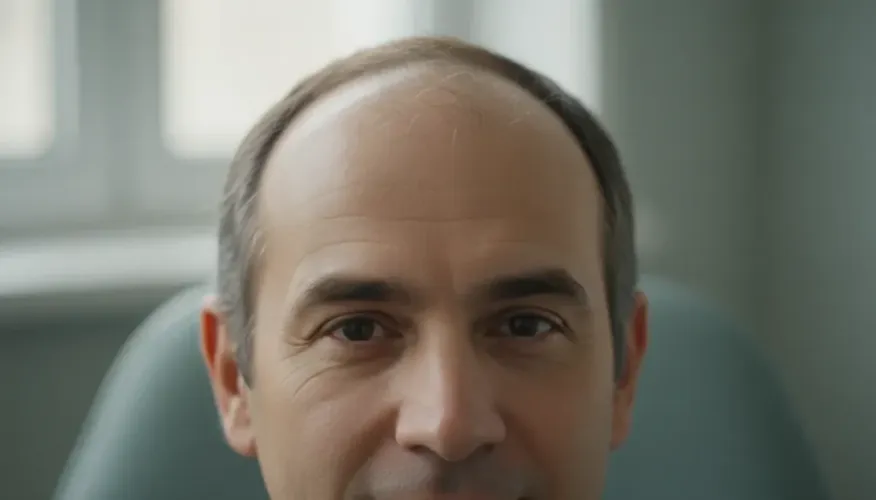
Early Signs and How to Diagnose a Receding Hairline
Spotting the first indications of a receding hairline allows for timely intervention. Below are key visual cues and diagnostic tools used by specialists.
| Sign | Description | Typical Age Range |
|---|---|---|
| Hairline thinning | Gradual loss of density along the frontal edge | 20‑35 |
| Frontal baldness | Visible patches or a “M” shape formation | 30‑45 |
| Hairline recession in women | Widening of the part and diffuse thinning | 35‑55 |
| Hairline falling out after styling | Localized loss due to traction or heat | Any age |
Dermatologists also employ trichoscopy, a non‑invasive scalp examination, to assess follicle health. In some cases, a simple visual assessment combined with a detailed medical history can differentiate a normal maturing hairline from a true receding pattern.
Treatment Options: Medical, Cosmetic, and Surgical
When a receding hairline becomes a concern, a range of treatments can address the underlying cause and restore density. The choice depends on the severity of recession, gender, and personal preferences.
Medical Therapies
- Finasteride: Oral medication that reduces DHT levels, slowing further loss.
- Topical minoxidil: Increases blood flow to follicles, encouraging regrowth.
- Platelet‑rich plasma (PRP) injections: Concentrated growth factors stimulate dormant follicles.
Cosmetic Solutions
- Microneedling combined with topical agents to enhance absorption.
- Scalp micropigmentation: Creates the illusion of a denser hairline.
- Hair fibers and powders: Temporary camouflage for thinning hairline areas.
Surgical Interventions
- Hair transplant (FUE or FUT): Relocates healthy follicles to the frontal zone.
- Scalp reduction surgery: Removes bald patches and stretches surrounding hair.
Each approach has its own recovery timeline, cost, and expected results. For instance, a receding hairline men may benefit most from a combination of finasteride and a minimally invasive FUE transplant, while women often prefer PRP and cosmetic shading to avoid hormonal side effects.
Lifestyle Strategies to Slow Hairline Recession
Beyond clinical treatments, everyday habits play a vital role in preserving the hairline. Implementing these evidence‑based strategies can complement medical care.
- Balanced diet rich in protein, omega‑3 fatty acids, iron, and vitamins A, C, D, and E.
- Stress management through meditation, exercise, or counseling to lower cortisol.
- Avoid tight hairstyles, harsh chemicals, and excessive heat styling.
- Gentle scalp massage to improve circulation.
- Regular check‑ups with a dermatologist to monitor progression.
Research shows that men who adopt a nutrient‑dense diet and reduce chronic stress experience a slower rate of hairline recession compared with those who do not. Women with a female receding hairline often notice improvement when they replace high‑glycemic foods with low‑glycemic alternatives and incorporate biotin supplements.
Choosing the Right Clinic for Hair Restoration
Selecting a reputable clinic ensures safe, effective, and lasting outcomes. Below are criteria to evaluate when researching providers.
| Criterion | What to Look For | Why It Matters |
|---|---|---|
| Qualified specialists | Board‑certified dermatologists or hair restoration surgeons | Ensures expertise in diagnosing and treating recession |
| Advanced technology | Use of FUE, PRP, and high‑resolution trichoscopy | Improves precision and results |
| Transparent outcomes | Before‑and‑after photos, patient testimonials | Helps set realistic expectations |
| Personalized care plans | Tailored combination of medical, cosmetic, and surgical options | Addresses individual patterns of recession |
| Post‑procedure support | Follow‑up appointments and after‑care guidance | Ensures optimal healing and long‑term success |
Gold City Medical Center meets and exceeds these standards, offering a comprehensive, integrative approach that combines medical expertise with cutting‑edge hair transplant technology.
Why Choose Gold City Medical Center
Gold City Medical Center provides an integrative approach to hairline recession, combining evidence‑based medical treatments, advanced hair transplant techniques, and personalized aesthetic care. Our team of board‑certified specialists tailors each plan to the individual’s unique pattern of recession, ensuring natural‑looking results with minimal downtime. With a focus on patient education and long‑term maintenance, we empower you to achieve lasting confidence.
Ready to take the first step toward a fuller hairline? Contact Gold City Medical Center today to schedule a comprehensive consultation and discover the personalized solution that’s right for you.
FAQ
What are the main causes of hairline recession?
The primary cause is genetics, but hormones, stress, nutrition, medical conditions, and styling habits also contribute.
How can I tell if my hairline is receding or just maturing?
A receding hairline moves backward beyond the typical adult pattern, while a maturing hairline stabilizes after minor changes.
What early signs indicate a receding hairline?
Early signs include thinning along the frontal edge, an “M” shaped pattern, widening of the part, and localized loss after styling.
Which medical treatments are effective for hairline recession?
Finasteride, topical minoxidil, and platelet‑rich plasma (PRP) injections are the most evidence‑based medical options.
Are cosmetic options like scalp micropigmentation permanent?
Scalp micropigmentation provides a long‑lasting illusion of density but may require touch‑ups over time.
How do I choose a reputable hair restoration clinic?
Look for board‑certified specialists, advanced technology, transparent outcomes, personalized care plans, and strong post‑procedure support.

