The hair transplant month by month journey is a crucial roadmap for anyone considering permanent hair restoration. Understanding each stage helps you set realistic expectations, follow proper care protocols, and enjoy the best possible hair transplant results. In the first 100 days, many patients wonder whether their new grafts will survive, how quickly they will see visible growth, and what daily habits might affect healing.
In this guide we break down the recovery timeline, from the immediate post‑operative period to the point where natural‑looking hair begins to fill in. We’ll also share practical tips, common signs of successful graft integration, and how Gold City Medical Center supports you at every step. Whether you are evaluating the average price of Bosley hair transplant or simply curious about the typical healing curve, the information below will clarify what to expect each month.
By the end of this article, you will have a clear picture of the hair transplant month by month progression, know when to anticipate key milestones, and be equipped to maximize the longevity of your new hair.
Understanding the Hair Transplant Timeline
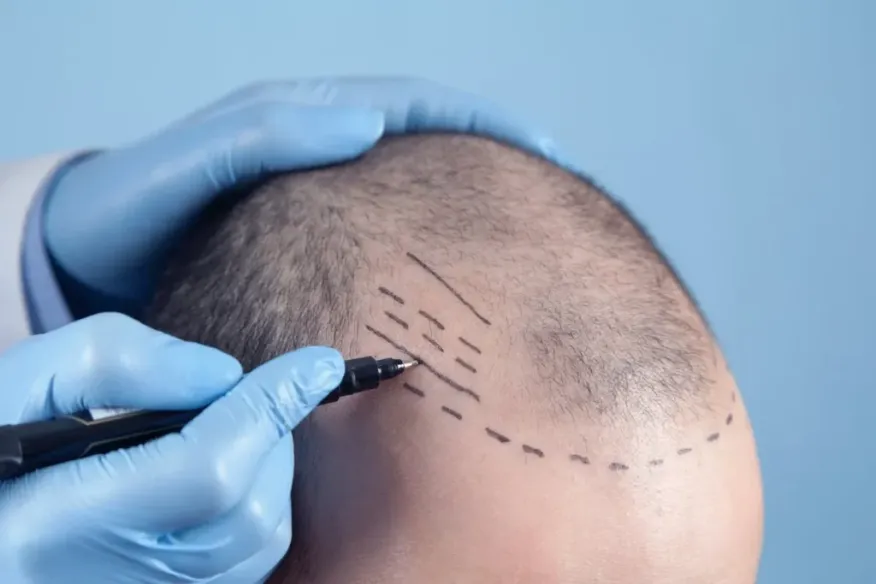
Every hair restoration procedure follows a predictable set of phases, often referred to as the hair transplant stages. While individual experiences can vary, the overall hair transplant month by month framework remains consistent across most FUE (Follicular Unit Extraction) and FUT (Follicular Unit Transplantation) techniques.
The first two weeks are dominated by the hair transplant recovery timeline, during which the scalp is most vulnerable. Swelling, redness, and tiny scabs are normal, and the grafts are still anchoring to the recipient sites. By the end of week three, the transplanted follicles enter a resting phase called “telogen,” which can make the area appear thinner before new growth begins.
From month one to three, patients typically notice the first signs of new hair sprouting, often described as “peach fuzz.” This early growth is a positive indicator that the grafts are surviving. After the three‑month mark, the hair begins to thicken, and the true aesthetic results start to emerge.
Below is a quick reference table that outlines the expected milestones for each month after surgery.
| Month | Typical Observation | Care Focus |
|---|---|---|
| 1 | Scabbing, mild redness, no visible growth | Gentle washing, avoid direct sun |
| 2 | Shedding of transplanted hairs (normal) | Continue gentle care, start light moisturization |
| 3 | First fine hairs appear | Use recommended shampoos, protect from harsh chemicals |
| 4‑6 | Hair thickens, density improves | Begin styling carefully, maintain healthy diet |
| 6+ | Fuller appearance, long‑term stability | Regular check‑ups, monitor for any late shedding |
Month 1: The First Weeks After Surgery
The initial 30‑day period sets the foundation for graft survival. During the first week, most patients experience mild swelling, especially around the forehead and temples. This swelling typically peaks around day three and subsides by day seven.
Key activities during this phase include:
- Gentle washing with a prescribed mild shampoo, avoiding vigorous rubbing.
- Keeping the head elevated while sleeping to reduce fluid buildup.
- Applying any recommended antibiotic or anti‑inflammatory ointments as directed.
It is normal to see some transplanted hairs fall out during the second week—a process known as “shock loss.” This does not indicate failure; rather, it is part of the hair transplant healing time where the follicles reset before entering the growth phase.
Patients should also be mindful of activities that could disturb the grafts. Heavy exercise, direct sunlight, and swimming in chlorinated pools are best avoided for at least ten days. If you notice persistent redness, pus, or severe pain, contact your surgeon promptly to rule out infection.
Month 2 to 3: Early Growth and Care
Between the second and third month, the most exciting change typically occurs: the emergence of fine, soft hairs. These new strands are often compared to peach fuzz and signal that the grafts have successfully entered the anagen (growth) phase.
During this period, patients should adopt a regimen that supports healthy follicle development:
- Use a nourishing shampoo containing biotin or keratin to strengthen new hair.
- Maintain a balanced diet rich in protein, iron, and omega‑3 fatty acids.
- Consider supplements such as vitamin D and zinc if recommended by your physician.
It is also advisable to avoid tight hats or headwear that could rub against the newly growing hairs. Gentle brushing with a soft‑bristle brush can help distribute natural scalp oils without causing trauma.
According to clinical observations, the hair transplant recovery timeline at this stage may still include occasional shedding, especially if the scalp experiences stress. This is normal and usually resolves as the follicles become more robust.
Month 4 to 6: Visible Results and Maintenance
By the fourth month, most patients can see a noticeable increase in hair density. The fine hairs have thickened, and the overall appearance begins to look natural. This is often the point where many individuals start styling their hair more confidently.
Maintenance during months four through six focuses on preserving the health of the new grafts and preventing any setbacks:
- Continue using a mild, sulfate‑free shampoo to avoid scalp irritation.
- Protect the scalp from UV exposure with a hat or sunscreen formulated for the scalp.
- Avoid smoking and excessive alcohol, as both can impair microvascular circulation.
- Schedule a follow‑up appointment with Gold City Medical Center to assess progress.
For those tracking their progress, a simple visual chart can be helpful. Below is a comparative illustration of expected hair density at the two‑month and six‑month marks.
| Time Point | Hair Density (% of final result) | Typical Appearance |
|---|---|---|
| 2 Months | 20‑30% | Fine, scattered hairs with visible gaps |
| 6 Months | 60‑70% | Noticeable coverage, natural texture emerging |
While many patients are thrilled with these improvements, it is essential to remember that full maturation may take up to twelve months. Patience and consistent care are key to achieving the best hair transplant results.
Long‑Term Outlook: Beyond Six Months
After the six‑month milestone, the hair continues to thicken and mature. By the twelve‑month point, most patients achieve 80‑90% of their final result, with the transplanted hair behaving like native hair in terms of growth cycles and texture.
Long‑term care recommendations include:
- Regular scalp massages to promote blood flow.
- Periodic use of minoxidil or other physician‑approved topical agents if recommended.
- Annual check‑ups to monitor any late‑stage shedding or scalp concerns.
Understanding the hair transplant month by month progression helps you stay realistic about expectations while maximizing the durability of your new hair. Even after the first year, lifestyle factors such as nutrition, stress management, and proper scalp hygiene continue to influence the longevity of the results.
Why Choose Gold City Medical Center
Gold City Medical Center combines cutting‑edge technology with a holistic approach to hair restoration. Our team of experienced surgeons tailors each procedure to the individual’s scalp characteristics, ensuring optimal graft placement and minimal downtime. By integrating medical expertise with aesthetic sensibility, we deliver natural‑looking results that stand the test of time.
Patients benefit from comprehensive after‑care programs, personalized nutrition advice, and ongoing support throughout the entire hair transplant month by month journey. Trust in a center that prioritizes safety, precision, and lasting confidence.
Ready to start your transformation? Contact Gold City Medical Center today to schedule a personalized consultation and discover how our expert team can guide you through every month of your hair transplant journey.
Take the first step toward lasting confidence—your new hair awaits.
FAQ
What can I expect during the first month after a hair transplant?
During the first month you will see scabbing, mild redness, possible swelling, and shedding of transplanted hairs (shock loss).
When does new hair typically start to grow after a hair transplant?
Fine new hairs, often called “peach fuzz,” usually appear between the second and third month.
How should I care for my scalp in the first two weeks post‑surgery?
Use a mild shampoo, avoid vigorous rubbing, keep the head elevated while sleeping, and follow any prescribed ointments.
What are the signs of a successful graft integration?
Early fine hair growth, lack of infection, and gradual thickening of hair density are key indicators.
How long does it take to see full results from a hair transplant?
Most patients achieve 80‑90% of their final result by twelve months after surgery.
Can I use minoxidil after a hair transplant and when?
Minoxidil can be introduced after the first three months, but only if your surgeon approves it.
What activities should I avoid during the recovery period?
Avoid heavy exercise, direct sun exposure, swimming in chlorinated water, and tight headwear for the first few weeks.
How often should I have follow‑up appointments with my surgeon?
Typical follow‑ups are scheduled at 1 week, 1 month, 3 months, 6 months, and 12 months post‑surgery.

