Alopecia caused by vitamin deficiency is a common yet often misunderstood form of hair loss. When essential nutrients are lacking, the hair follicles cannot maintain their normal growth cycle, leading to thinning and shedding. This article explains the underlying mechanisms, highlights which vitamins are most critical, and outlines practical steps you can take to restore healthy hair.
Recent studies suggest that up to 30% of individuals experiencing unexplained hair loss have an underlying micronutrient shortfall. Whether it’s a diet low in iron, insufficient exposure to sunlight reducing vitamin D levels, or a chronic condition that impairs nutrient absorption, the impact on your scalp can be significant.
Understanding the connection between nutrition and hair health empowers you to make informed choices, from dietary adjustments to targeted supplementation. In the sections that follow, we will explore the science, diagnostic tools, and evidence‑based treatments that can help you reverse alopecia caused by vitamin deficiency and prevent future episodes.
How Vitamin Deficiencies Trigger Alopecia
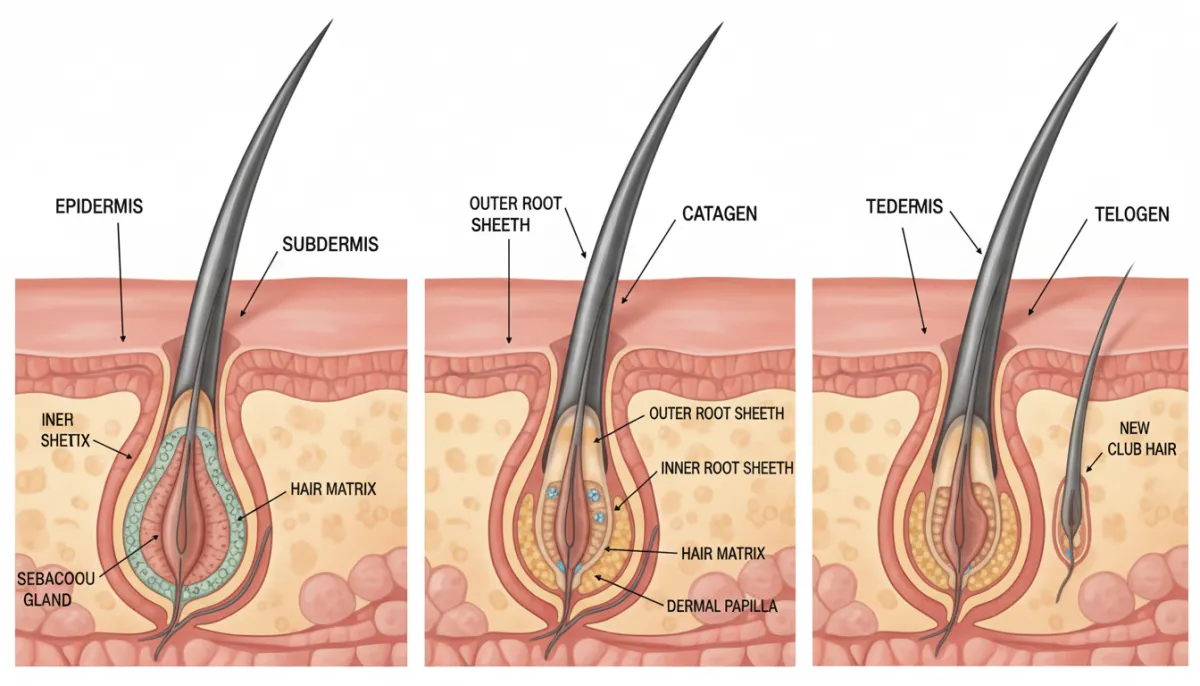
The hair growth cycle consists of anagen (growth), catagen (transition), and telogen (resting) phases. Nutrients act as biochemical signals that regulate this cycle. When a vitamin deficiency occurs, the signaling pathways become disrupted, often shortening the anagen phase and pushing follicles into premature telogen, which manifests as hair shedding.
Key Biological Pathways
- Keratin synthesis: Requires adequate zinc, biotin, and vitamin A to produce strong hair shafts.
- Blood flow to the scalp: Iron and vitamin C support hemoglobin formation, delivering oxygen and nutrients to follicles.
- Cellular turnover: Vitamin D receptors are present in dermal papilla cells, influencing hair follicle cycling.
Research indicates that correcting these deficiencies can restore the normal growth cycle within 3–6 months, reducing the severity of alopecia caused by vitamin deficiency.
Vitamins Most Frequently Linked to Hair Loss
Not all vitamins affect hair equally. The most common culprits behind alopecia caused by vitamin deficiency are:
| Vitamin / Mineral | Role in Hair Health | Signs of Deficiency |
|---|---|---|
| Vitamin D | Regulates hair follicle cycling via VDR receptors | Diffuse thinning, especially on the crown |
| Iron | Essential for hemoglobin and oxygen transport | Hair shedding, brittle nails |
| Biotin (B7) | Supports keratin production | Dry scalp, split ends |
| Vitamin A | Promotes sebum production, keeping scalp moisturized | Dry, flaky scalp, slowed growth |
| Vitamin C | Enhances iron absorption, antioxidant protection | Weak hair, increased breakage |
Supplementing with the best vitamins for hair growth should be guided by blood tests to avoid excess, which can be counterproductive. For example, overly high vitamin A levels have been linked to hair loss.
Diagnosing Nutrient‑Related Hair Loss
Accurate diagnosis begins with a thorough medical history and targeted laboratory testing. While alopecia caused by vitamin deficiency can be suspected based on symptoms, confirming the specific deficiency ensures effective treatment.
Essential Tests
- Complete blood count (CBC) – detects anemia linked to iron deficiency.
- Serum ferritin – the most reliable indicator of iron stores.
- 25‑hydroxy vitamin D level – assesses vitamin D status.
- Serum zinc and copper – evaluate trace mineral balance.
- Thyroid panel – rules out thyroid disorders that mimic nutrient deficiency.
In addition to lab work, a scalp examination by a dermatologist can reveal patterns typical of deficiency‑related loss, such as diffuse thinning rather than patchy bald spots.
Treatment Strategies: Diet, Supplements, and Medical Options
Once a deficiency is identified, a multi‑pronged approach yields the best outcomes for reversing alopecia caused by vitamin deficiency. The core components are dietary improvement, targeted supplementation, and, when needed, medical interventions.
Dietary Recommendations
- Increase leafy greens (spinach, kale) for iron and vitamin C.
- Consume fatty fish (salmon, mackerel) to boost vitamin D and omega‑3s.
- Include nuts and seeds (pumpkin, sunflower) for zinc and biotin.
- Eat orange‑colored fruits for vitamin A and antioxidant support.
Supplement Choices
When diet alone is insufficient, consider these evidence‑based supplements:
- Iron tablets (preferably ferrous bisglycinate) – 18 mg daily for women, 8 mg for men, after medical advice.
- Vitamin D3 – 2000–4000 IU per day, adjusted based on serum levels.
- Biotin – 5,000 µg daily, especially for brittle hair.
- Zinc picolinate – 30 mg daily, not exceeding 40 mg to avoid copper depletion.
Medical Interventions
In cases where hair follicles have entered prolonged telogen, clinicians may recommend:
- Topical minoxidil – stimulates follicular blood flow.
- Platelet‑rich plasma (PRP) therapy – delivers growth factors directly to the scalp.
- Low‑level laser therapy – promotes cellular metabolism.
Combining these methods with proper nutrition often leads to visible regrowth within 4–6 months.
Preventive Lifestyle Tips for Sustainable Hair Health
Maintaining adequate nutrient levels is a lifelong commitment. Simple lifestyle habits can protect against future episodes of alopecia caused by vitamin deficiency and support overall well‑being.
Key Practices
- Schedule annual blood work to monitor iron, vitamin D, and B‑vitamin status.
- Adopt a balanced Mediterranean‑style diet rich in whole foods.
- Limit excessive heat styling and harsh chemical treatments that stress hair shafts.
- Manage stress through mindfulness, yoga, or regular exercise, as cortisol can exacerbate nutrient depletion.
- Ensure adequate sunlight exposure (10–15 minutes daily) to naturally boost vitamin D synthesis.
By integrating these habits, you create an environment where hair follicles receive the nutrients they need to thrive, reducing the risk of deficiency‑related shedding.
Why Choose Gold City Medical Center
Gold City Medical Center combines integrative medicine with cutting‑edge cosmetic expertise. Our team of dermatologists, nutritionists, and hair‑restoration specialists works collaboratively to diagnose and treat hair loss at its root cause. With personalized treatment plans, state‑of‑the‑art facilities, and a commitment to patient education, we help you achieve lasting, natural‑looking results.
Ready to restore your hair’s vitality? Contact Gold City Medical Center today to schedule a comprehensive evaluation and start a tailored program that addresses your specific nutrient needs.
Take the first step toward healthier hair—call us or fill out our online consultation form now.
FAQ
What vitamins are most important for preventing hair loss?
Key vitamins include D, A, C, and B‑complex (especially biotin), as well as minerals like iron, zinc, and copper.
How does vitamin D affect the hair growth cycle?
Vitamin D binds to receptors in dermal papilla cells, influencing the transition from the resting (telogen) to growth (anagen) phase.
What tests are used to diagnose nutrient‑related alopecia?
Common tests include CBC, serum ferritin, 25‑hydroxy vitamin D, zinc and copper panels, and a thyroid panel.
Can dietary changes reverse hair loss caused by vitamin deficiency?
Yes, incorporating nutrient‑rich foods can often restore hair growth when deficiencies are mild to moderate.
What medical treatments complement supplements for alopecia?
Topical minoxidil, platelet‑rich plasma (PRP) therapy, and low‑level laser therapy are common adjuncts.
How long does it typically take to see hair regrowth after correcting deficiencies?
Most patients notice improvement within 3‑6 months, though full regrowth may take up to a year.





