Many people wonder how to increase hair density when they notice thinning strands or a receding hairline. Understanding the factors that affect hair volume is the first step toward achieving a richer, more robust look. In this article we explore the science behind hair density, lifestyle choices that support thicker growth, and both medical and natural treatments that can boost your confidence.
Hair density is not only a cosmetic concern; it can also reflect overall health. Studies show that up to 40% of adults experience noticeable hair thinning by the age of 35, making early intervention essential. Whether you are dealing with genetic thinning, stress‑related loss, or simply want to enhance your natural volume, the strategies outlined here address the root causes and provide practical solutions.
We will cover everything from dietary recommendations and scalp care routines to advanced procedures such as PRP therapy and hair transplantation. By the end of this guide, you will have a clear roadmap to increase hair density safely and sustainably.
Understanding Hair Density and Its Causes
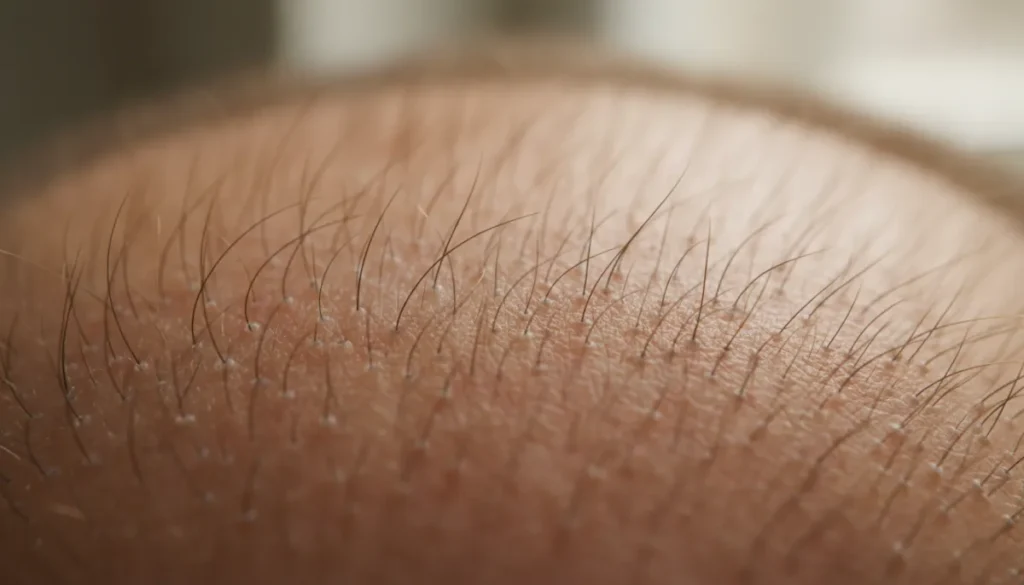
Before diving into treatments, it’s important to define what hair density actually means. Hair density refers to the number of hair strands per square centimetre of scalp. A higher density gives the appearance of thicker, fuller hair, while low density can make even healthy strands look sparse.
What Is Hair Density?
Hair density is measured by counting the number of follicles in a specific area. Normal density ranges from 80 to 120 hairs per cm², but this can vary based on genetics, age, and hormonal balance. When density drops below the normal range, the scalp becomes more visible, leading to concerns about thinning hair.
Common Causes of Low Density
- Genetic predisposition (androgenetic alopecia)
- Hormonal changes, especially during menopause or thyroid disorders
- Chronic stress and poor nutrition
- Excessive use of heat styling tools
- Scalp conditions such as dandruff or psoriasis
Identifying the underlying cause is crucial because it determines the most effective approach to increase hair density. For example, a nutritional deficit may respond well to diet changes, while androgenetic alopecia often requires medical intervention.
Nutrition and Lifestyle Tips for Thicker Hair
What you eat and how you live play a pivotal role in hair health. While no single food can magically grow hair overnight, a balanced diet rich in specific nutrients supports follicle function and can help you increase hair density over time.
Key Nutrients for Hair Growth
| Nutrient | Benefits | Food Sources |
|---|---|---|
| Protein | Provides building blocks for keratin | Lean meats, legumes, eggs, dairy |
| Biotin (Vitamin B7) | Improves keratin infrastructure | Egg yolks, nuts, seeds, salmon |
| Iron | Boosts oxygen delivery to follicles | Spinach, lentils, red meat |
| Zinc | Regulates hormone balance | Pumpkin seeds, oysters, chickpeas |
| Omega‑3 Fatty Acids | Reduces inflammation, nourishes scalp | Flaxseed oil, walnuts, fatty fish |
Lifestyle Practices That Support Hair Density
- Stay hydrated: Aim for at least 2 liters of water daily.
- Manage stress: Practice mindfulness, yoga, or regular exercise.
- Get sufficient sleep: 7–9 hours per night promotes cell regeneration.
- Avoid tight hairstyles: Reduces traction alopecia.
- Limit heat styling: Use low‑temperature settings and protective sprays.
By integrating these nutrients and habits, you create a favorable environment for hair follicles, making it easier to increase hair density naturally.
Effective Medical and Cosmetic Treatments
When lifestyle changes alone are insufficient, medical and cosmetic options can accelerate the process of how to increase hair density. Modern clinics offer a range of evidence‑based procedures tailored to individual needs.
Top Clinical Options
| Treatment | How It Works | Typical Results |
|---|---|---|
| Platelet‑Rich Plasma (PRP) | Injects concentrated platelets to stimulate follicles | 15–30% increase in density after 3–4 sessions |
| Low‑Level Laser Therapy (LLLT) | Uses red light to improve blood flow | Gradual thickening over 6–12 months |
| Finasteride (oral) | Blocks DHT hormone responsible for hair loss | Stabilizes loss; modest regrowth in 60% of users |
| Minoxidil (topical) | Enhances follicle size and prolongs growth phase | Visible thickening in 4–6 months |
| Hair Transplant (FUE) | Redistributes healthy follicles to thinning areas | Immediate density boost; full results by 12 months |
Choosing the Right Treatment
Selection depends on factors such as the cause of thinning hair, budget, and desired speed of results. For instance, patients with androgenetic alopecia often benefit from a combination of finasteride and minoxidil, while those seeking a permanent solution may opt for a hair transplant performed by experienced surgeons.
Consultation with a qualified specialist ensures a personalized plan that safely addresses your specific pattern of hair loss, helping you achieve the desired increase in density.
At‑Home Practices and Natural Remedies
While professional procedures deliver rapid results, many prefer to start with gentle, at‑home methods to see how to increase hair density without invasive interventions.
Scalp Massage Techniques
Regular scalp massage stimulates blood circulation, delivering nutrients to hair follicles. Use your fingertips to apply gentle pressure in circular motions for 5–10 minutes daily.
DIY Hair Masks
- Egg and Olive Oil Mask: Mix one egg with two tablespoons of olive oil; apply for 30 minutes before washing.
- Aloe Vera Gel: Apply fresh gel directly to the scalp; leave for 20 minutes to soothe and moisturize.
- Rosemary Rinse: Brew rosemary tea, let it cool, and use as a final rinse to promote growth.
Supplements and Topical Agents
Over‑the‑counter supplements containing biotin, saw palmetto, and marine collagen can complement a balanced diet. Topical serums with caffeine or peptides are also formulated to strengthen existing strands and encourage new growth.
Consistent use of these natural remedies, combined with the lifestyle tips above, can gradually improve hair density, especially for those with mild thinning.
Maintaining Results and Long‑Term Care
Achieving a noticeable increase in hair density is only part of the journey; maintaining those gains requires ongoing care.
Regular Follow‑Up Appointments
Schedule periodic evaluations with your hair specialist to monitor progress and adjust treatments as needed. This is especially important after procedures like PRP or hair transplantation.
Protective Styling
- Choose loose hairstyles that reduce tension on the scalp.
- Use silk or satin pillowcases to minimize friction while sleeping.
- Avoid harsh chemicals such as bleaching agents or strong relaxers.
Seasonal Adjustments
During colder months, protect the scalp from dryness by using a light, non‑comedogenic moisturizer. In summer, wear a hat or UV‑protective spray to shield follicles from sun damage.
By integrating these maintenance practices, you reinforce the foundation laid by earlier interventions, ensuring that the increase in hair density you have worked for remains vibrant for years to come.
Why Choose Gold City Medical Center
Gold City Medical Center combines cutting‑edge technology with a personalized approach to hair restoration. Our team of experienced physicians offers comprehensive assessments, state‑of‑the‑art treatments such as PRP and FUE transplantation, and ongoing support to ensure lasting results. With a focus on safety, efficacy, and patient comfort, we help you achieve a fuller, more confident look.
Ready to transform your hair? Contact Gold City Medical Center today to schedule a personalized consultation and start your journey toward greater hair density.
Experience expert care, advanced solutions, and the confidence of a thicker, healthier head of hair.
FAQ
How can I increase hair density naturally?
Natural methods focus on nutrition, scalp care, and lifestyle habits that support follicle health.
What nutrients are important for hair growth?
Key nutrients include protein, biotin, iron, zinc, and omega‑3 fatty acids.
What medical treatments are available to improve hair density?
Options include PRP therapy, low‑level laser therapy, finasteride, minoxidil, and hair transplantation.
How does PRP therapy work for hair density?
PRP delivers growth factors that activate dormant follicles and promote new hair growth.
Can scalp massage help increase hair density?
Yes, regular scalp massage can improve circulation and support follicle health.
What are the benefits of hair transplantation for low hair density?
Hair transplantation provides a permanent, natural‑looking increase in density by relocating healthy follicles.
How often should I schedule follow‑up appointments after hair density treatments?
Follow‑ups are usually recommended every 3‑6 months to monitor progress and adjust the plan.





