When you ask where does hair transplant hair come from, the answer involves a blend of anatomy, surgical technique, and careful planning. Knowing the source of the grafts helps you set realistic expectations and choose a clinic that prioritises both safety and natural results. In modern hair restoration, the donor hair is typically harvested from areas of the scalp that retain robust, permanent growth, but it can also be taken from the beard or body when needed. This article walks you through the science behind donor selection, the methods used to extract grafts, and the factors that determine how well transplanted hair thrives.
Hair loss affects millions worldwide, and many seek a permanent solution that looks and feels natural. One of the most common questions is exactly which hairs are moved during a transplant and why certain areas are preferred. By understanding the origin of the hair, patients can better appreciate the importance of donor density, hair characteristics, and the expertise required to achieve a seamless hairline.
We’ll explore the anatomy of donor zones, compare the leading extraction techniques, discuss graft survival, and debunk common myths. Whether you are considering a follicular unit extraction (FUE) procedure or a strip method (FUT), this guide provides the essential knowledge to make an informed decision.
The Anatomy of Donor Areas: Scalp, Beard, and Body
The most reliable source of hair for transplantation is the permanent zone of the scalp, typically located at the back and sides of the head. This region, known as the donor area, contains hairs that are genetically resistant to the hormone dihydrotestosterone (DHT), which drives male‑pattern baldness. Because these follicles are less likely to miniaturise, they serve as the ideal stock for grafts.
When the scalp donor supply is insufficient—due to extensive balding, previous surgeries, or a desire for larger coverage—surgeons may turn to secondary sites:
- Beard hair: Offers a coarser texture suitable for adding density to the frontal hairline.
- Chest and torso hair: Provides additional grafts but may have a different growth cycle.
- Sideburns and neck hair: Occasionally used for small‑area restoration.
Each donor zone has distinct characteristics that affect the final aesthetic. For example, beard hair tends to be thicker, which can create a subtle contrast if mixed with scalp hair. Therefore, a skilled surgeon evaluates the colour, curl, and calibre of each source to ensure a harmonious blend.
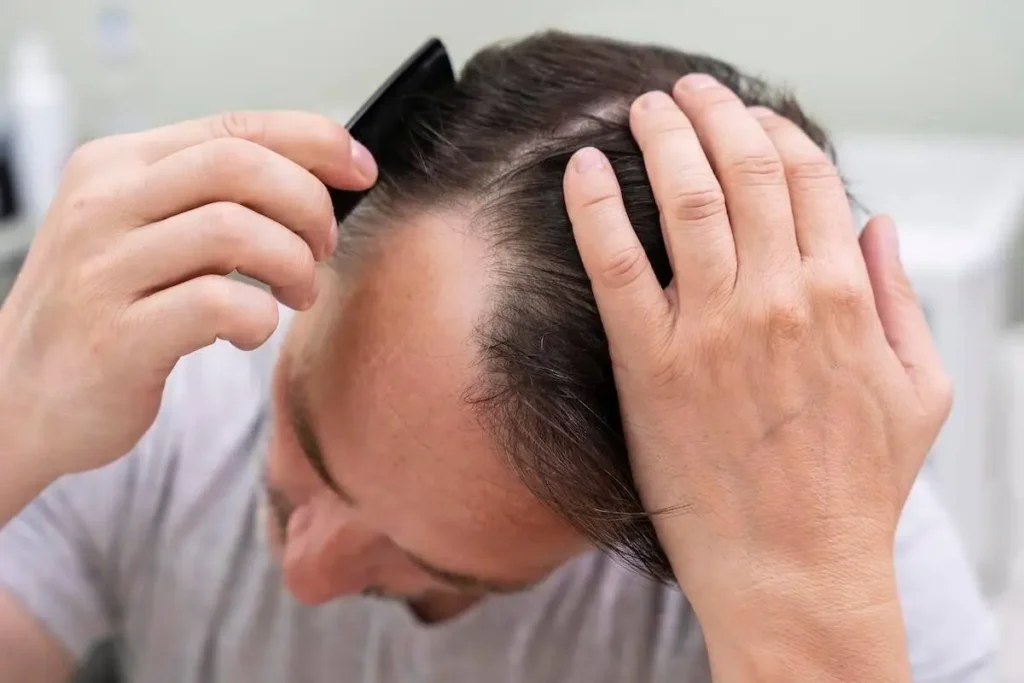
Harvesting Techniques: FUE vs. FUT
Two primary methods dominate modern hair restoration: Follicular Unit Extraction (FUE) and Follicular Unit Transplantation (FUT), also known as the strip method. Both aim to relocate healthy follicles from the donor area to the balding zone, but they differ in execution, scarring, and recovery.
FUE involves extracting individual follicular units directly from the donor scalp using a tiny punch tool, typically 0.8–1.0 mm in diameter. The process is meticulous, allowing surgeons to harvest grafts from various angles and minimise visible scarring. FUT, on the other hand, removes a narrow strip of scalp tissue, which is then dissected into individual grafts under a microscope.
| Aspect | FUE (Follicular Unit Extraction) | FUT (Strip Method) |
|---|---|---|
| Incision | Multiple tiny punctures | Single linear incision |
| Scarring | Scattered micro‑dots, less noticeable | Linear scar, visible if hair is short |
| Recovery Time | Typically 5–7 days | 7–10 days, may be longer for larger strips |
| Graft Yield | Highly variable, depends on skill | Predictable number from strip length |
| Best For | Patients wanting short hairstyles, limited donor scar | Patients needing large numbers of grafts in one session |
Choosing between FUE and FUT depends on several factors, including the size of the balding area, the quality of the donor hair, and personal preferences regarding scarring. Both techniques can deliver excellent results when performed by an experienced surgeon.
What Determines Hair Quality and Survival
Even with the perfect donor source, the long‑term success of a hair transplant hinges on graft survival. Several variables influence how well transplanted hairs take root and continue to grow:
- Graft handling: Gentle extraction and minimal time out of the body preserve follicle viability.
- Recipient site preparation: Proper creation of tiny incisions ensures optimal blood supply.
- Patient health: Factors such as smoking, diabetes, and certain medications can impede healing.
- Post‑operative care: Following post‑surgery instructions, including avoiding tension on the scalp, supports graft integration.
Studies indicate that graft survival rates can exceed 90 % when these conditions are met. The follicular unit itself—usually containing 1–4 hairs—remains the fundamental building block of a natural‑looking result. Surgeons often assess the angle and direction of each unit to replicate the original hair pattern.
Advanced clinics may also employ platelet‑rich plasma (PRP) therapy or low‑level laser therapy to boost vascularisation and accelerate healing, further enhancing graft longevity.
Common Misconceptions About Hair Source
Many patients hold inaccurate beliefs about where transplant hair originates, which can affect their expectations. Below are some of the most frequent myths:
- Myth: All transplanted hair comes from the back of the head.
Fact: While the posterior scalp is the primary donor, beard and body hair may be used when necessary. - Myth: Transplanted hair grows immediately.
Fact: Grafts enter a shedding phase (shock loss) before new growth begins, typically 3–4 months post‑procedure. - Myth: The donor area will look noticeably thin after surgery.
Fact: Skilled extraction preserves donor density, especially with FUE, leaving the area virtually unchanged. - Myth: Hair from other parts of the body looks unnatural.
Fact: When matched correctly, secondary donor hair can blend seamlessly, especially for larger balding zones.
Understanding these realities helps patients set realistic goals and reduces anxiety throughout the treatment journey.
Preparing for Your Transplant: Pre‑Operative Steps
Successful outcomes start long before the surgeon picks up the first graft. Proper preparation optimises the donor area and ensures the body is ready to support new growth.
Medical Evaluation
A comprehensive assessment includes blood work, scalp examination, and a review of medications. Conditions such as thyroid disorders or anemia can affect healing, so they are addressed beforehand.
Scalp Conditioning
Patients are advised to avoid harsh chemicals, excessive heat styling, and tight hairstyles that strain the donor zone. Gentle cleansing with a mild shampoo maintains a healthy scalp environment.
Lifestyle Adjustments
- Quit smoking at least two weeks prior, as nicotine reduces blood flow.
- Limit alcohol consumption, which can interfere with clotting.
- Maintain a balanced diet rich in proteins, vitamins, and minerals to support tissue regeneration.
Following these steps not only improves graft survival but also shortens recovery time, allowing patients to enjoy their new hair sooner.
Why Choose Gold City Medical Center for Your Hair Restoration
Gold City Medical Center combines cutting‑edge technology with a holistic approach to hair restoration. Our team of certified surgeons specialises in both FUE and FUT techniques, tailoring each plan to the unique donor profile of the patient. We prioritise natural results, meticulous graft handling, and comprehensive post‑operative care, ensuring that the hair you receive looks and feels authentic. Trust a centre that integrates medical expertise with aesthetic excellence for lasting confidence.
Ready to discover the perfect source for your new hair? Contact Gold City Medical Center today to schedule a personalized consultation and take the first step toward a fuller, natural look.
FAQ
What are the primary donor areas for hair transplantation?
The main donor area is the permanent zone on the back and sides of the scalp, but beard, chest, torso, sideburns, and neck hair can also be used when needed.
How does FUE differ from FUT in hair transplant procedures?
FUE extracts individual follicular units with tiny punches, leaving micro‑dot scars, while FUT removes a strip of scalp that is later dissected into grafts, resulting in a linear scar.
What factors affect graft survival after a hair transplant?
Gentle handling, proper recipient site preparation, patient health, and diligent post‑operative care are key to high graft survival rates.
Can beard or body hair be used for scalp hair restoration?
Yes, beard and body hair can supplement scalp grafts when donor density is low, but their texture and growth cycles differ.
What are common myths about hair transplant donor sources?
Myths include that all grafts come from the back of the head, that transplanted hair grows immediately, and that donor areas become noticeably thin.
How should I prepare before undergoing a hair transplant?
Undergo a medical evaluation, condition the scalp, and adopt healthy lifestyle habits such as quitting smoking and limiting alcohol.





