Understanding why do men bald is a common question that many men ask as they notice thinning hair or a receding hairline. Hair loss affects roughly 30 million men in the United States alone, and the impact goes beyond appearance, influencing confidence and quality of life. This article explores the scientific reasons behind male hair loss, the various factors that accelerate the process, and the most effective solutions available today. By demystifying the underlying mechanisms, readers can make informed decisions about prevention and treatment.
We will begin by examining the biology of hair growth and the hormonal influences that trigger follicle shrinkage. Next, we’ll look at lifestyle and environmental contributors that can worsen the condition. The article also differentiates between the many forms of alopecia that men may encounter, and it outlines both medical and surgical treatment options, including the cutting‑edge procedures offered at Gold City Medical Center.
Whether you are just starting to notice a few stray hairs or you are dealing with more extensive balding, understanding the root causes empowers you to take proactive steps toward preserving your hair and restoring confidence.
The Biology Behind Male Pattern Baldness
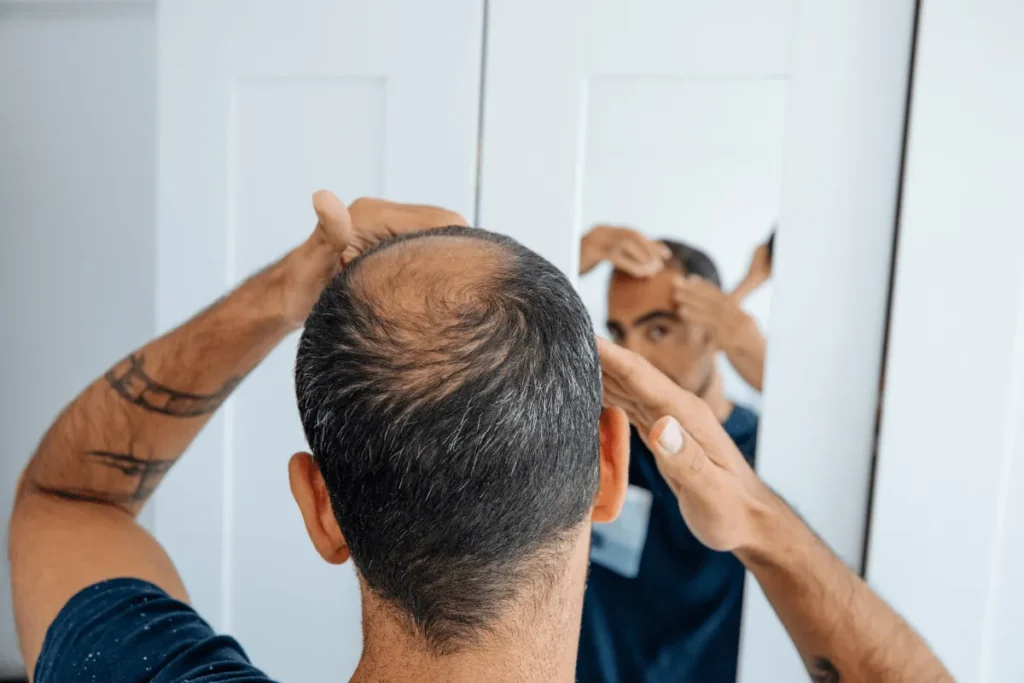
Male pattern baldness, medically known as androgenetic alopecia, is the most common form of hair loss in men. It is driven primarily by genetics and the hormone dihydrotestosterone (DHT), a derivative of testosterone that binds to receptors in hair follicles. When DHT attaches to these receptors, it shortens the anagen (growth) phase of the hair cycle, leading to thinner, weaker hairs that eventually fall out.
Key biological factors include:
- Genetic predisposition – family history strongly predicts the onset and progression of balding.
- DHT sensitivity – individuals with follicles that are highly responsive to DHT experience faster miniaturization.
- Follicle miniaturization – hair shafts become progressively finer, reducing overall scalp coverage.
- Reduced blood flow – diminished circulation can limit nutrient delivery to the follicles.
The following table contrasts normal hair growth with the changes observed in androgenetic alopecia:
| Aspect | Normal Hair | Balding Hair (Androgenetic Alopecia) |
|---|---|---|
| Growth Cycle Length | 2–6 years (anagen) | Shortened anagen phase (months) |
| Hair Shaft Diameter | 80–120 µm | 30–60 µm (miniaturized) |
| Follicle Size | Normal | Reduced, leading to weaker anchoring |
| Hair Density | ~100 hairs/cm² | Decreased, especially at crown and frontal regions |
This biological framework explains why many men ask why do men bald—the answer lies in a complex interaction of hormones, genetics, and follicular health.
Common Triggers and Lifestyle Factors
While genetics set the stage, several external factors can accelerate the process of hair loss, answering the question why do men bald more quickly than anticipated. Understanding these triggers helps men adopt preventive habits.
Important lifestyle contributors include:
- Stress – Chronic stress elevates cortisol, which can push hair follicles into the telogen (resting) phase, leading to increased shedding.
- Nutrition – Deficiencies in iron, zinc, vitamin D, and protein can weaken hair structure and impede growth.
- Smoking – Tobacco use reduces blood flow to the scalp, limiting oxygen and nutrient delivery.
- Medications – Certain drugs such as anabolic steroids, antidepressants, and blood pressure medications list hair loss as a side effect.
- Hair Care Practices – Frequent use of harsh shampoos, tight hairstyles, and excessive heat can cause traction alopecia and damage.
Addressing these factors often mitigates further loss. For instance, adopting a balanced diet rich in omega‑3 fatty acids, engaging in regular exercise, and practicing gentle scalp massage can improve circulation and support follicle health.
Understanding Different Types of Alopecia
Not all hair loss in men is due to androgenetic alopecia. Recognizing the distinction clarifies the broader question of why do men bald and guides appropriate treatment. Below are the most common alopecia variants encountered in clinical practice.
Alopecia Areata is an autoimmune condition that causes sudden, patchy hair loss. The immune system mistakenly attacks hair follicles, leading to smooth, round bald spots.
Traction Alopecia results from prolonged tension on the hair, often from tight hairstyles such as braids or ponytails. Over time, the repeated pulling damages the follicle, causing permanent loss if not addressed.
Telogen Effluvium is a temporary shedding that follows a significant physiological stressor—such as major surgery, illness, or severe weight loss. Hair follicles prematurely enter the telogen phase, resulting in diffuse thinning.
The table below summarizes key differences:
| Alopecia Type | Typical Pattern | Underlying Cause | Potential for Regrowth |
|---|---|---|---|
| Alopecia Areata | Patchy, round spots | Autoimmune attack | Variable, often responsive to steroids |
| Traction Alopecia | Frontal or temporal thinning | Mechanical stress | Good if caught early |
| Telogen Effluvium | Diffuse shedding | Physiological stress | Usually regrows within months |
| Androgenetic Alopecia | Receding hairline, crown thinning | Genetic & hormonal | Progressive, requires ongoing therapy |
Identifying the specific alopecia type is essential for targeted therapy, and it further explains the diverse answers to why men experience baldness.
Treatment Options: From Medication to Hair Transplant
When men wonder why do men bald, the answer often leads to exploring effective interventions. Modern medicine offers a range of solutions, from topical agents to surgical procedures.
Medication remains the first line of defense:
- Finasteride (1 mg daily) blocks the conversion of testosterone to DHT, slowing follicle miniaturization.
- Minoxidil 5 % topical solution stimulates blood flow to the scalp and prolongs the anagen phase.
- Low‑level laser therapy (LLLT) devices enhance cellular metabolism and may improve hair density.
For men seeking more permanent restoration, hair transplantation provides a surgical avenue. Techniques such as Follicular Unit Extraction (FUE) and Follicular Unit Transplantation (FUT) relocate healthy donor follicles to balding areas, yielding natural‑looking results.
Adjunctive therapies include platelet‑rich plasma (PRP) injections, which deliver concentrated growth factors to rejuvenate dormant follicles, and microneedling, which can enhance topical medication absorption.
Choosing the right approach depends on the stage of balding, overall health, and personal goals. A comprehensive evaluation at Gold City Medical Center ensures a customized plan that aligns with each patient’s unique needs.
Preventive Strategies and Early Intervention
While treatment can reverse or halt progression, prevention remains the most effective strategy for answering the question of why do men bald in the long term. Early intervention can preserve existing hair and improve the success rate of later therapies.
Key preventive measures include:
- Regular Scalp Care – Gentle cleansing, occasional scalp massage, and the use of sulfate‑free shampoos maintain a healthy environment.
- Balanced Nutrition – Adequate intake of proteins, iron, zinc, and vitamins (especially D and B‑complex) supports follicular growth.
- Stress Management – Practices such as meditation, yoga, and regular exercise reduce cortisol levels that can trigger telogen effluvium.
- Avoiding Harmful Habits – Limiting smoking, reducing excessive alcohol consumption, and protecting the scalp from UV damage are essential.
- Early Medical Consultation – Visiting a specialist at the first sign of thinning allows for timely diagnosis and tailored treatment.
By integrating these habits into daily life, men can significantly delay the onset of noticeable baldness and retain a fuller appearance for longer.
Why Choose Gold City Medical Center for Hair Restoration
Gold City Medical Center combines cutting‑edge technology with a holistic approach to hair health. Our team of experienced dermatologists and transplant surgeons offers personalized assessments, evidence‑based treatments, and state‑of‑the‑art hair transplant procedures. We prioritize patient safety, comfort, and natural‑looking results, ensuring that each individual receives the most effective solution for their unique pattern of hair loss.
Ready to take control of your hair future? Contact Gold City Medical Center today to schedule a confidential consultation and discover the best treatment plan for you.
Experience professional care, advanced therapies, and lasting confidence—book your appointment now.
FAQ
What causes male pattern baldness?
Male pattern baldness is caused by genetics and the hormone DHT, which shortens the hair growth phase.
How does DHT affect hair follicles?
DHT binds to follicle receptors, shortening the growth phase and shrinking the follicle size.
Can lifestyle changes prevent hair loss?
Yes, managing stress, improving nutrition, and avoiding harmful habits can slow hair loss.
What are the main treatment options for male hair loss?
Topical minoxidil, oral finasteride, low‑level laser therapy, and hair transplantation are the primary options.
How effective are hair transplants?
Hair transplants can achieve natural‑looking, permanent coverage when performed by experienced surgeons.
What is the difference between alopecia areata and androgenetic alopecia?
Alopecia areata is an autoimmune, patchy hair loss; androgenetic alopecia is genetic and hormonal, causing diffuse thinning.
Are finasteride and minoxidil safe for long‑term use?
Both are generally safe when used as directed, but they have potential side effects that should be monitored.





