If you are wondering what is PRP platelet rich plasma and how it can benefit you, this guide provides a clear overview of the therapy, its uses, and what to expect during treatment. Platelet‑rich plasma (PRP) is an autologous concentration of platelets derived from a small sample of your own blood, rich in growth factors that stimulate tissue repair and regeneration.
In recent years, PRP has moved from sports medicine to aesthetic and hair‑restoration clinics, offering a minimally invasive option for patients seeking natural results. According to recent clinical observations, up to 70 % of patients report noticeable improvement in hair density after a series of PRP sessions.
This article will explain the science behind PRP, detail its main applications—including hair loss and skin rejuvenation—address safety considerations, outline typical costs, and help you decide whether Gold City Medical Center is the right place for your treatment.
How PRP Works: The Science Behind Platelet‑Rich Plasma
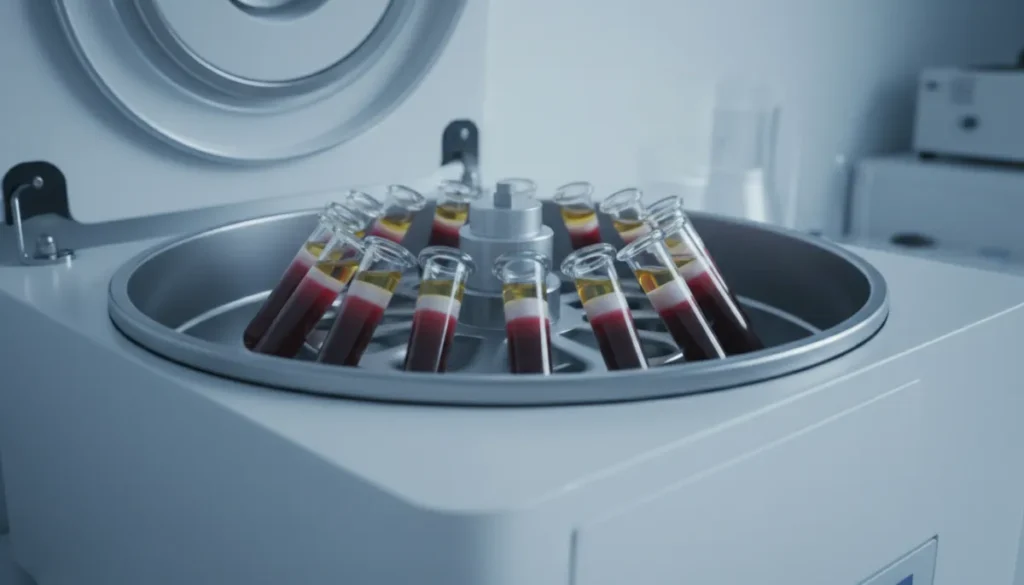
PRP therapy begins with a simple blood draw, usually 10–20 ml, which is then placed in a centrifuge. The spinning process separates the blood into three layers: red blood cells at the bottom, platelet‑poor plasma in the middle, and the concentrated platelet‑rich plasma at the top. This final layer contains a high concentration of platelets—typically 4–7 times the baseline level.
Platelets release a cocktail of growth factors such as platelet‑derived growth factor (PDGF), vascular endothelial growth factor (VEGF), and transforming growth factor‑beta (TGF‑β). These molecules trigger cellular pathways that promote:
- Collagen synthesis for firmer skin.
- Angiogenesis, improving blood flow to the treated area.
- Stem‑cell activation, accelerating tissue repair.
The result is a localized healing response that can rejuvenate skin, stimulate hair follicles, and reduce inflammation. Below is a quick comparison of PRP’s biological effects versus traditional topical treatments.
| Aspect | PRP Therapy | Topical Cosmetic Products |
|---|---|---|
| Delivery Method | Injectable, direct to target tissue | Surface application |
| Active Agents | Autologous growth factors | Exogenous chemicals, peptides |
| Duration of Effect | Weeks to months, depending on protocol | Days to weeks |
| Side‑Effect Profile | Minimal, mostly mild swelling | Potential irritation, allergic reactions |
PRP Treatments for Hair Loss: What to Expect
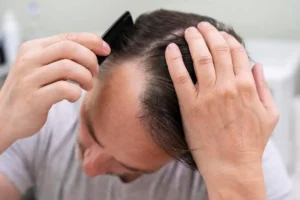
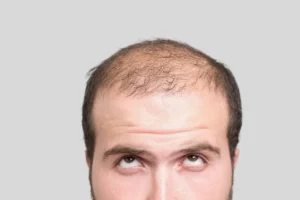
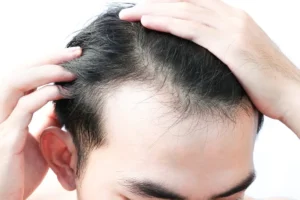
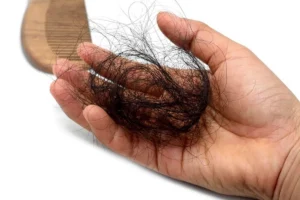
Hair thinning and androgenetic alopecia affect millions, and many patients ask what is PRP platelet rich plasma in the context of hair restoration. PRP injections target the scalp’s dormant follicles, delivering growth factors that prolong the anagen (growth) phase and reactivate follicular stem cells.
A typical hair‑loss protocol at Gold City Medical Center involves three sessions spaced four weeks apart, followed by maintenance treatments every 4–6 months. Each session includes:
- Scalp cleansing and topical anesthesia.
- Micro‑injections of PRP into the affected zones.
- Post‑treatment cooling and brief observation.
Patients usually notice reduced shedding within 2–3 weeks and visible thickening after 3–4 months. Success rates vary, but clinical studies report an average increase of 20‑30 % in hair density after a full treatment cycle.
Below is a timeline of typical results:
| Time After First Session | Observed Effect |
|---|---|
| 2–3 weeks | Reduced hair shedding |
| 6–8 weeks | Early signs of new hair growth |
| 3–4 months | Noticeable increase in density |
| 6 months+ | Stabilized results, maintenance recommended |
PRP for Skin Rejuvenation and Facial Applications
Beyond hair, many ask what is PRP platelet rich plasma for facial treatments. PRP facial therapy, often called a “vampire facial,” combines microneedling with PRP application to boost collagen production, improve texture, and reduce fine lines.
The procedure typically follows these steps:
- Preparation of PRP from the patient’s blood.
- Microneedling of the face to create micro‑channels.
- Application of the PRP serum onto the skin, allowing absorption.
- Post‑procedure soothing mask and after‑care instructions.
Benefits include a natural glow, tighter skin, and a reduction in hyperpigmentation. Results become evident after 2–3 weeks, with optimal improvement seen after a series of three to four sessions.
Key advantages of PRP facial therapy over conventional fillers:
- Uses the patient’s own blood—no foreign substances.
- Gradual, natural‑looking improvement.
- Minimal downtime, typically 24‑48 hours of mild redness.
Safety, Side Effects, and Recovery After PRP Injections
Safety is a primary concern for anyone asking what is PRP platelet rich plasma. Because the product is autologous—derived from your own blood—the risk of allergic reaction or disease transmission is virtually nil.
Common, mild side effects include:
- Localized swelling or bruising at injection sites.
- Temporary redness lasting 1–2 days.
- Mild soreness, similar to a light workout.
Serious complications are rare but can occur if proper aseptic technique is not followed. At Gold City Medical Center, all PRP procedures are performed in a sterile environment by trained physicians, minimizing any risk.
Recovery guidelines are straightforward:
- Avoid strenuous exercise for 24 hours.
- Keep the treated area clean; use a gentle cleanser.
- Apply a cold compress if swelling occurs.
- Resume normal skincare routine after 48 hours.
Patients typically return to daily activities immediately after the session, making PRP a convenient option for busy lifestyles.
Cost, Availability, and Choosing a Qualified Provider
Understanding what is PRP platelet rich plasma also involves practical considerations such as price and provider expertise. In the Netherlands, PRP sessions for hair loss typically range from €250 to €450 per injection, while facial PRP treatments may cost €300 to €600 per session.
When evaluating a clinic, consider the following criteria:
- Medical credentials: Look for board‑certified physicians with experience in regenerative medicine.
- Facility standards: Clean, accredited treatment rooms.
- Transparent protocols: Clear explanation of the number of sessions, expected outcomes, and after‑care.
- Patient testimonials and before‑after photos.
Gold City Medical Center meets all these standards, offering a comprehensive PRP program that integrates hair restoration, skin rejuvenation, and personalized follow‑up.
To schedule a consultation, simply contact the center via phone or the online booking portal. A specialist will assess your needs, discuss the optimal PRP regimen, and create a tailored treatment plan.
Why Choose Gold City Medical Center
Gold City Medical Center combines integrative healthcare expertise with state‑of‑the‑art PRP technology. Our multidisciplinary team includes experienced physicians, dermatologists, and hair‑restoration specialists who tailor each PRP protocol to the individual’s unique anatomy and goals. We prioritize patient safety, use FDA‑approved centrifugation systems, and maintain a comfortable, private environment for every procedure.
Choosing us means accessing a trusted provider that delivers consistent, natural results without the use of synthetic fillers or implants. Whether you seek hair regrowth, skin rejuvenation, or overall wellness, Gold City Medical Center offers a comprehensive, evidence‑based approach.
Ready to experience the benefits of PRP for yourself? Contact Gold City Medical Center today to schedule your personalized consultation and take the first step toward healthier hair and radiant skin.
Call us now or use our online booking system – your transformation starts here.
FAQ
What is PRP platelet‑rich plasma and how does it work?
PRP is an autologous concentration of platelets from your own blood that releases growth factors to stimulate tissue repair and regeneration.
Can PRP help with hair loss?
Yes, PRP injections can stimulate dormant hair follicles, prolong the growth phase, and increase hair density in many patients.
What are the benefits of PRP for skin rejuvenation?
PRP improves skin texture, firmness, and tone by boosting natural collagen production without synthetic fillers.
Is PRP treatment safe and what side effects might occur?
PRP is generally safe; mild side effects include temporary swelling, bruising, and redness.
How much does PRP treatment cost in the Netherlands?
Hair‑loss PRP sessions range from €250‑€450 per injection, while facial PRP treatments cost €300‑€600 per session.