Many people notice strands on their pillow or in the shower and wonder if a simple nutrient shortfall could be the cause. Vitamin d deficiency hair loss is a growing concern, especially as modern lifestyles limit sun exposure and dietary intake of this essential vitamin. Understanding the connection between low vitamin D levels and thinning hair can empower you to take proactive steps before the problem worsens.
In this article we explore the science behind vitamin D’s role in hair follicles, identify the most common signs of vitamin d deficiency, and outline practical strategies for testing, treatment, and long‑term maintenance. Whether you’re experiencing diffuse shedding, patchy thinning, or simply want to safeguard your mane, the information below will guide you toward a healthier scalp.
Recent research indicates that up to 30 % of individuals with unexplained hair loss have suboptimal vitamin D status. This statistic highlights the importance of evaluating nutrient levels as part of a comprehensive hair‑health plan. Let’s dive into the details and discover how you can restore balance and confidence.
Understanding Vitamin D Deficiency and Its Impact on Hair
Vitamin D is best known for its role in calcium metabolism and bone health, but it also influences the growth cycle of hair follicles. The active form, calcitriol, binds to receptors in dermal papilla cells, stimulating the transition from the resting (telogen) phase to the growth (anagen) phase. When vitamin D levels drop, this signaling pathway weakens, leading to prolonged telogen periods and increased shedding.
Key mechanisms include:
- Regulation of keratinocyte proliferation – essential for forming the hair shaft.
- Modulation of immune responses – preventing inflammatory attacks on follicles.
- Influence on stem cell activation within the follicle bulge.
Studies have linked low serum 25‑hydroxyvitamin D concentrations with conditions such as alopecia areata and telogen effluvium. While genetics and hormones play major roles, correcting a vitamin D shortfall can be a decisive factor in halting or reversing hair loss.
Beyond the scalp, vitamin D deficiency manifests as low vitamin d symptoms such as fatigue, bone pain, and mood changes. Recognizing these systemic cues can prompt earlier testing and treatment, potentially averting hair‑related issues before they become visible.
Recognizing the Signs: How to Identify Vitamin D Deficiency Hair Loss
Hair loss caused by insufficient vitamin D often presents subtly. Unlike androgenic alopecia, which follows a predictable pattern, vitamin d deficiency hair loss may appear as diffuse thinning across the crown or increased shedding during seasonal changes.
Typical indicators include:
- Gradual thinning of the overall hair volume.
- Excessive hair in the brush, pillow, or shower drain.
- Concurrent symptoms of vitamin d deficiency such as muscle weakness or frequent infections.
It’s crucial to differentiate these signs from other causes. A helpful checklist can guide you:
| Observation | Possible Vitamin D Link? |
|---|---|
| Hair shedding >100 strands per day | Likely if accompanied by low vitamin d symptoms |
| Patchy bald spots | Less typical; consider other conditions |
| Hair feels brittle or dull | May indicate nutrient deficiency |
| Fatigue, bone aches, mood swings | Strong correlation with vitamin d deficiency |
When you notice a combination of these factors, seeking a professional evaluation is advisable. Early detection allows for targeted supplementation and lifestyle adjustments that can restore hair density.
Testing and Diagnosis: What Medical Professionals Look For
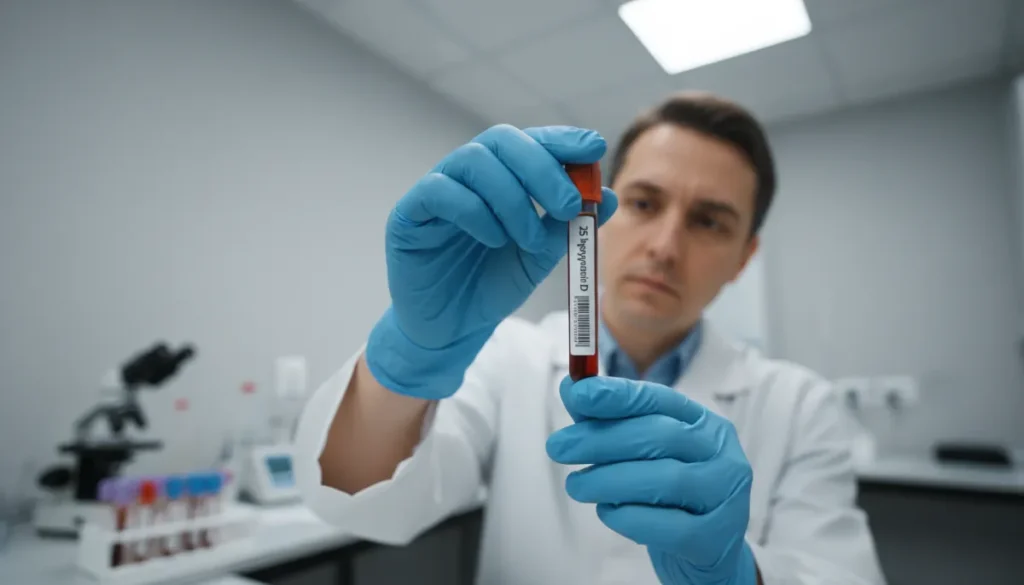
Accurate diagnosis begins with a simple blood test measuring serum 25‑hydroxyvitamin D (25‑OH‑D). Levels are interpreted as follows:
- Deficient: < 20 ng/mL (or < 50 nmol/L)
- Insufficient: 20‑30 ng/mL
- Sufficient: 30‑100 ng/mL
In the context of hair loss, clinicians also assess thyroid function, iron stores, and hormonal profiles to rule out overlapping causes. A comprehensive evaluation may include:
- Serum 25‑OH‑D concentration.
- Complete blood count (CBC) to detect anemia.
- Ferritin level – low iron can compound hair shedding.
- Thyroid‑stimulating hormone (TSH) test.
- Dermatological examination of the scalp.
When vitamin d deficiency hair loss is confirmed, the treatment plan typically starts with supplementation and monitoring. The goal is to raise serum levels into the sufficient range while observing hair regrowth over a 3‑ to 6‑month period.
Treatment Options: Restoring Vitamin D Levels for Hair Regrowth
Supplementation is the cornerstone of therapy. The typical regimen for adults with deficiency is 1,000‑4,000 IU of vitamin D3 daily, though higher doses may be prescribed short‑term under medical supervision. Consistency is key; blood levels should be re‑tested after 8‑12 weeks to gauge response.
Adjunct strategies enhance results:
- Topical vitamin D analogs: Emerging creams contain calcitriol to directly stimulate follicular receptors.
- Balanced multivitamins: Formulations that include zinc, biotin, and iron support overall hair health.
- Prescription options: In severe cases, physicians may use high‑dose vitamin D2 (ergocalciferol) or D3 under close monitoring.
Beyond supplements, addressing other lifestyle factors accelerates recovery. Adequate sleep, stress management, and avoidance of harsh hair treatments reduce follicular stress, allowing the restored vitamin D pathways to function optimally.
Clinical observations suggest that most patients notice a reduction in shedding within 2‑3 months, with visible regrowth often evident by the sixth month of consistent therapy.
Lifestyle and Nutrition: Supporting Healthy Hair Through Vitamin D
While supplementation corrects a biochemical deficit, dietary sources and sun exposure maintain long‑term balance. Foods rich in vitamin D include fatty fish (salmon, mackerel), fortified dairy, and egg yolks. Aim for at least two servings per week.
Sunlight remains the most efficient natural source. Exposing arms and face to midday sun for 10‑15 minutes several times a week can generate up to 1,000 IU of vitamin D, depending on skin type and latitude. Remember to protect skin after sufficient exposure to avoid damage.
Integrating other hair‑supportive nutrients enhances the effect:
| Nutrient | Key Food Sources | Role in Hair Health |
|---|---|---|
| Vitamin D | Salmon, fortified milk, egg yolk | Follicle cycling, immune modulation |
| Iron | Red meat, lentils, spinach | Oxygen transport to follicles |
| Zinc | Pumpkin seeds, oysters, chickpeas | Protein synthesis, DNA repair |
| Biotin (Vitamin B7) | Eggs, almonds, sweet potatoes | Keratin production |
Regular physical activity also promotes circulation, delivering nutrients more efficiently to the scalp. Aim for at least 150 minutes of moderate exercise per week.
By combining supplementation, a vitamin‑rich diet, safe sun exposure, and overall wellness habits, you create a robust environment for hair follicles to thrive, reducing the risk of future vitamin d deficiency hair loss.
Why Choose Gold City Medical Center
At Gold City Medical Center we blend advanced medical diagnostics with personalized integrative care. Our team of specialists evaluates vitamin D status alongside other hair‑loss factors, ensuring a comprehensive treatment plan tailored to your unique needs. With state‑of‑the‑art facilities and a commitment to evidence‑based therapies, we guide you from diagnosis through recovery, supporting lasting hair health and overall wellbeing.
Ready to restore your hair and confidence? Book a consultation with our hair‑restoration experts today and start your personalized vitamin D revitalization program.
Contact us now to schedule an appointment and take the first step toward healthier, fuller hair.
FAQ
What is vitamin D deficiency hair loss?
Vitamin D deficiency hair loss is hair shedding caused by low levels of vitamin D, which disrupts the normal hair‑growth cycle.
How does vitamin D affect hair follicles?
Vitamin D regulates keratinocyte proliferation, immune response, and stem‑cell activation within hair follicles.
What are the signs of vitamin D deficiency related to hair loss?
Signs include diffuse thinning, increased shedding, brittle hair, and systemic symptoms like fatigue or bone pain.
How is vitamin D deficiency diagnosed for hair loss?
Diagnosis starts with a serum 25‑hydroxyvitamin D blood test, plus evaluation of thyroid, iron, and hormonal status.
What treatment options are available for vitamin D deficiency hair loss?
Treatment includes vitamin D3 supplementation, topical analogs, multivitamins, and lifestyle changes.
Can diet and sunlight help prevent hair loss caused by vitamin D deficiency?
Yes, consuming vitamin D‑rich foods and regular safe sun exposure support optimal vitamin D levels and hair health.





