Understanding how to prevent receding hairline is essential for anyone noticing early signs of hair thinning or a shifting hairline. A receding hairline can affect confidence and often signals underlying factors such as genetics, hormonal changes, or lifestyle habits. In this article we explore the science behind hairline recession, practical lifestyle adjustments, proven medical options, and natural remedies that together form a comprehensive prevention plan.
Recent studies indicate that up to 30% of men experience noticeable hairline recession by the age of 35, while many women also report thinning along the frontal scalp. Recognizing the early warning signs—such as a gradual “M” shape in men or a widening part in women—allows you to intervene before significant loss occurs. This guide will walk you through each step, providing clear, evidence‑based recommendations you can start implementing today.
We will cover the root causes, dietary and stress‑management tips, clinically validated treatments, and home‑based strategies. By the end, you’ll have a personalized roadmap to maintain a healthy hairline and reduce the risk of further recession.
Understanding the Causes of Hairline Recession
Before tackling prevention, it’s important to identify the factors that drive a receding hairline. While genetics play a dominant role, several modifiable elements can accelerate the process.
Genetic and Hormonal Influences
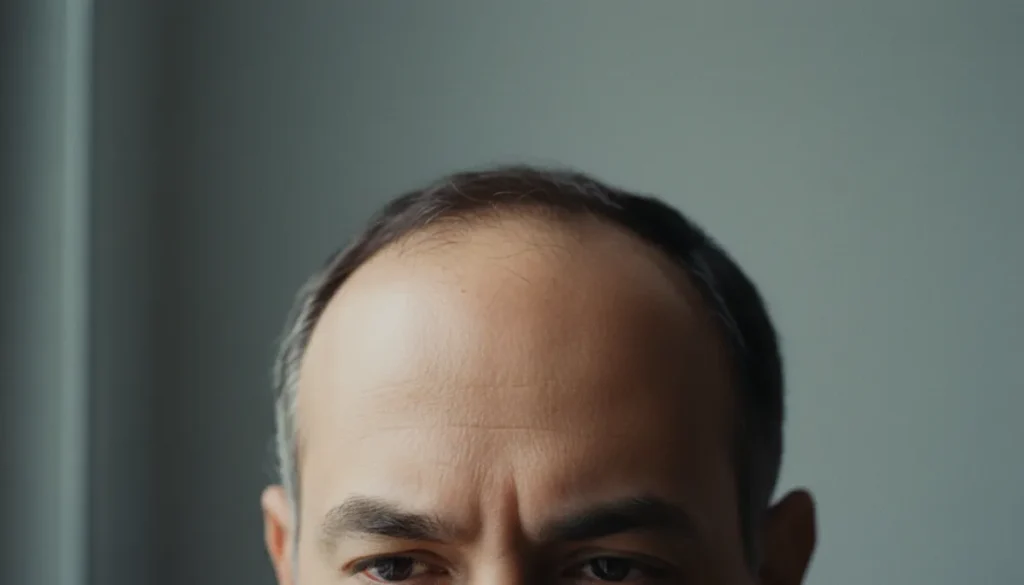
The most common form of hairline recession is linked to androgenetic alopecia, often referred to as male or female pattern baldness. This condition results from the hormone dihydrotestosterone (DHT) shortening the growth phase of hair follicles, leading to thinner strands and eventual loss. In men, the classic “M” pattern emerges, while women may notice diffuse thinning along the frontal hairline.
Mechanical Stress and Traction
Frequent tight hairstyles, such as ponytails, braids, or buns, can cause traction alopecia. Continuous pulling exerts tension on the hair shaft and follicle, weakening the attachment and prompting recession over time.
Health‑Related Triggers
- Thyroid disorders
- Autoimmune conditions like alopecia areata
- Chronic inflammation
- Nutrient deficiencies (iron, zinc, vitamin D)
Environmental and Lifestyle Factors
Smoking, excessive alcohol consumption, and chronic stress elevate oxidative stress, which can damage hair follicles and accelerate recession. Even certain medications, such as anabolic steroids or high‑dose retinoids, may contribute.
Understanding these contributors helps you target the most relevant prevention strategies for your unique situation.
Lifestyle Adjustments for Hairline Health
Everyday habits have a measurable impact on the health of your hairline. By adopting targeted lifestyle changes, you can create an internal environment that supports robust follicle activity.
Nutrition That Supports Follicle Growth
Hair follicles require a steady supply of vitamins, minerals, and proteins. Incorporating the following foods can strengthen the hair shaft and reduce the risk of recession:
| Food Group | Key Nutrients | Benefit for Hairline |
|---|---|---|
| Lean Proteins | Biotin, Selenium | Promotes keratin production |
| Fatty Fish (salmon, mackerel) | Omega‑3 fatty acids, Vitamin D | Reduces inflammation, improves scalp circulation |
| Leafy Greens | Iron, Vitamin A, Folate | Supports oxygen delivery to follicles |
| Nuts & Seeds | Zinc, Vitamin E | Antioxidant protection for hair cells |
Stress Management Techniques
Chronic stress elevates cortisol, which can shift hair follicles into the resting phase, leading to increased shedding. Effective stress‑reduction practices include:
- Mindfulness meditation (10–15 minutes daily)
- Regular aerobic exercise (30 minutes, 3–5 times per week)
- Adequate sleep (7–9 hours per night)
Avoiding Harmful Habits
Quitting smoking and limiting alcohol intake reduce oxidative damage to the scalp. Additionally, choose gentle hair care products—avoid sulfates, harsh dyes, and excessive heat styling—to minimize mechanical trauma.
By integrating these lifestyle adjustments, you lay a solid foundation for a resilient hairline and create a favorable environment for any supplemental treatments you may pursue.
Proven Medical and Cosmetic Treatments
When lifestyle changes alone are insufficient, clinically proven interventions can significantly slow or reverse hairline recession. Below are the most widely used options, each backed by research and routinely offered at specialist clinics.
Topical and Oral Medications
- Minoxidil (2% or 5%) – a vasodilator applied twice daily that prolongs the anagen phase, improving hair density in the frontal region.
- Finasteride (1 mg) – an oral DHT blocker for men that reduces hormone‑induced follicle miniaturization. Not recommended for women of child‑bearing age.
- Spironolactone – an anti‑androgen used off‑label for women with androgenic alopecia.
Procedural Options
For individuals seeking a more permanent solution, the following procedures are considered gold standards:
- Follicular Unit Extraction (FUE) Hair Transplant – individual follicles are harvested from a donor area (typically the back of the scalp) and implanted into the receding zone. Offers natural‑looking results with minimal scarring.
- Platelet‑Rich Plasma (PRP) Therapy – autologous blood is centrifuged to concentrate platelets, then injected into the scalp to stimulate follicular regeneration.
- Low‑Level Laser Therapy (LLLT) – devices such as laser caps or combs deliver red light photons that enhance cellular metabolism in hair follicles.
Choosing the Right Treatment
Effectiveness varies based on the underlying cause, degree of recession, and individual response. A thorough consultation—including scalp analysis and medical history—helps determine the optimal combination of therapies.
Many patients achieve the best outcomes by pairing medication (e.g., minoxidil) with procedural interventions (e.g., PRP) to maximize follicle health while addressing existing loss.
Natural and Home Remedies for Early Intervention
While medical treatments provide strong results, many individuals prefer to start with natural approaches, especially when the recession is mild. These remedies can complement clinical options and are generally low‑risk.
Scalp Massage and Stimulation
Gentle scalp massage for 5–10 minutes daily improves blood flow, delivering oxygen and nutrients to hair follicles. Use fingertips in circular motions or a silicone brush designed for scalp stimulation.
Essential Oils and Herbal Extracts
- Rosemary oil – shown in small studies to increase hair count when diluted with carrier oil.
- Peppermint oil – creates a cooling effect that may promote follicle activity.
- Saw palmetto extract – a plant‑based DHT inhibitor often taken as a supplement.
DIY Nutrient‑Rich Masks
Blend avocado, honey, and a few drops of rosemary oil to create a moisturizing mask. Apply for 30 minutes once a week to nourish the scalp and reduce dryness, which can exacerbate breakage.
Limit Exposure to Harsh Chemicals
Avoid frequent use of strong hair dyes, peroxide bleaches, and high‑heat styling tools. When styling is necessary, use a heat protectant spray and keep temperatures below 180 °C.
Natural remedies are most effective when incorporated consistently and combined with a balanced diet and stress‑reduction practices.
Long‑Term Maintenance and Monitoring
Preventing a receding hairline is an ongoing commitment. Regular monitoring allows you to adjust strategies before noticeable loss reappears.
Scheduled Scalp Assessments
Visit a qualified dermatologist or hair restoration specialist at least once a year for a scalp examination. Early detection of follicular miniaturization can prompt timely intervention.
Tracking Progress
Take standardized photographs of your frontal hairline every 3–4 months under consistent lighting and angles. Comparing images helps you gauge the effectiveness of your regimen.
Adapting Treatment Plans
As you age, hormonal shifts and lifestyle changes may alter your hairline dynamics. Be prepared to modify medication dosages, incorporate new procedures, or adjust nutritional plans based on evolving needs.
When to Seek Professional Help
- Rapid acceleration of recession within weeks
- Sudden patchy hair loss suggesting alopecia areata
- Scalp irritation, redness, or persistent itching
Prompt professional evaluation ensures that underlying medical conditions are addressed and that you receive the most appropriate treatment pathway.
Why Choose Gold City Medical Center
Gold City Medical Center combines cutting‑edge technology with a holistic approach to hair restoration. Our team of board‑certified dermatologists and hair‑transplant surgeons tailors each treatment plan to the individual’s genetic profile, lifestyle, and aesthetic goals. With state‑of‑the‑art facilities for FUE transplants, PRP therapy, and laser treatments, we deliver results that are both natural‑looking and long‑lasting. Trust in our expertise to guide you on a personalized journey toward a healthier, fuller hairline.
Ready to take control of your hairline? Contact Gold City Medical Center today to schedule a comprehensive scalp assessment and start your personalized prevention plan.
Experience professional care, advanced treatments, and lasting confidence—book your appointment now.
FAQ
What are the main causes of a receding hairline?
Genetics, hormonal changes (especially DHT), mechanical stress, health issues, and lifestyle factors can all contribute to hairline recession.
Can diet really affect hairline health?
Yes, a diet rich in proteins, omega‑3 fatty acids, iron, zinc, and vitamins supports follicle growth and reduces inflammation.
What medical treatments are available for a receding hairline?
Topical minoxidil, oral finasteride, spironolactone, PRP therapy, hair transplant (FUE), and low‑level laser therapy are the most common options.
Are natural remedies like essential oils effective for early hairline recession?
Some essential oils, such as rosemary and peppermint, have shown modest benefits in small studies, especially when used with carrier oils.
How should I monitor my hairline progress over time?
Take standardized photos every 3–4 months, schedule annual scalp assessments, and track any changes in shedding or irritation.





