Balding around temples is a common concern for many men and women, often signaling the early stages of broader hair loss patterns. This article explores the underlying reasons for temple hair thinning, how to recognize it early, and the range of treatment options—from topical therapies to advanced hair transplant techniques—offered by Gold City Medical Center. According to recent dermatology studies, up to 40% of adults notice noticeable recession at the temples before age 35, highlighting the importance of timely intervention.
We will break down the science behind this specific pattern of hair loss, discuss diagnostic clues you can observe at home, and present both non‑surgical and surgical solutions tailored to individual needs. Whether you are dealing with a subtle thinning or a more pronounced bald spot, understanding the process empowers you to make informed decisions about restoration and maintenance.
By the end of this guide, you will have a clear roadmap for addressing balding around temples, including lifestyle adjustments, medical treatments, and the cutting‑edge procedures available at our clinic.
What Causes Balding Around the Temples?
The temples are often the first area where hair loss becomes visible, primarily due to androgenetic alopecia, commonly known as male or female pattern baldness. This hereditary condition is driven by the hormone dihydrotestosterone (DHT), which shortens the hair growth cycle and miniaturizes hair follicles, especially in the frontal and temporal regions.
Other contributing factors include:
- Genetic predisposition—family history of early receding hairline.
- Hormonal fluctuations—particularly in women during menopause.
- Stress and telogen effluvium—temporary shedding triggered by illness or major life events.
- Nutritional deficiencies—lack of iron, zinc, or biotin.
- Scalp conditions—such as chronic inflammation or fungal infections.
While male pattern baldness often presents as a classic “M” shape, women may experience a diffuse thinning that also affects the temples. Recognizing the specific cause is essential for selecting the most effective treatment plan.
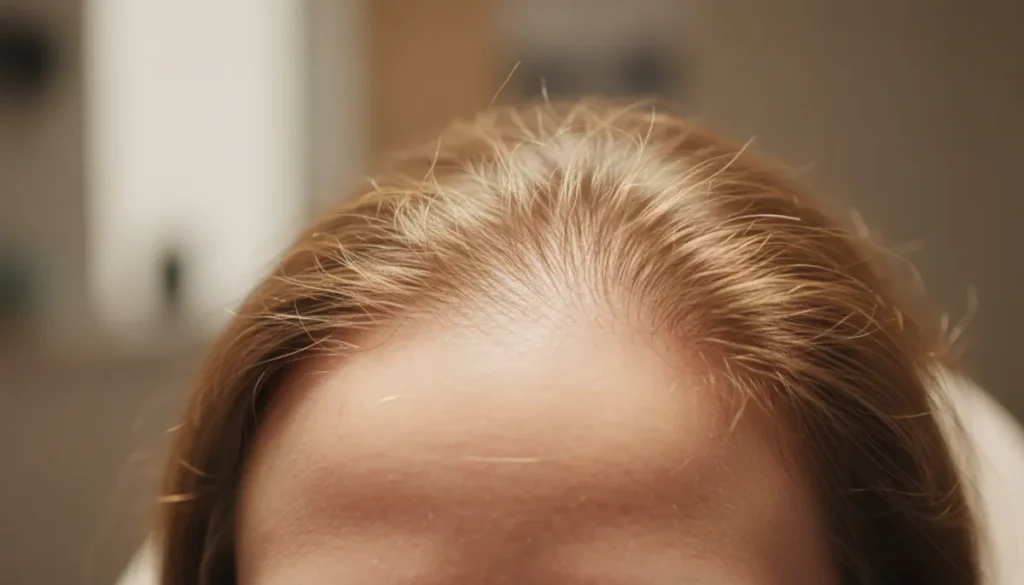
How to Identify Early Signs of Temple Hair Loss
Detecting balding around temples early can significantly improve treatment outcomes. Look for these visual cues during regular self‑examinations or when styling your hair:
- Gradual recession of the hairline at the temples, forming an “M” shape.
- Increased scalp visibility, especially when the hair is wet.
- Fine, shorter hairs replacing thicker strands.
- Changes in hair density when parting the hair.
Dermatologists often use the Norwood‑Hamilton scale for men and the Ludwig scale for women to classify the severity of temporal recession. A simple “mirror test”—tilting your head back and observing the silhouette—can also reveal subtle thinning.
Below is a comparison table illustrating the typical progression stages of temple baldness:
| Stage | Visual Characteristics | Recommended Action |
|---|---|---|
| Stage 1 | Minor recession, hair still dense | Monitor, consider topical minoxidil |
| Stage 2 | Noticeable thinning, scalp partially visible | Introduce oral finasteride (men) or hormonal evaluation (women) |
| Stage 3 | Significant bald spot at temples | Consult a specialist for PRP or early transplant assessment |
| Stage 4 | Advanced recession, large bald area | Consider surgical hair restoration |
Non‑Surgical Treatments for Temple Baldness
For many individuals, non‑invasive options provide meaningful regrowth and can halt further recession. The most widely studied treatments include:
- Minoxidil (2% or 5% topical solution) – stimulates follicular activity and prolongs the growth phase.
- Finasteride (oral 1 mg) – reduces DHT levels, effective primarily for men with androgenetic alopecia.
- Low‑Level Laser Therapy (LLLT) – uses red light to improve cellular metabolism in hair follicles.
- Platelet‑Rich Plasma (PRP) injections – concentrates growth factors to rejuvenate dormant follicles.
- Topical anti‑inflammatory agents – such as ketoconazole shampoo, which can reduce scalp inflammation.
When choosing a regimen, it is crucial to consider the underlying cause identified in the diagnostic phase. For example, a patient with telogen effluvium may benefit more from stress management and nutritional supplementation than from DHT‑blocking medication.
Below is a quick reference guide comparing the key attributes of popular non‑surgical therapies:
| Treatment | Mechanism | Typical Results Timeline | Side Effects |
|---|---|---|---|
| Minoxidil | Vasodilation, follicle stimulation | 3–6 months | Scalp irritation, unwanted facial hair |
| Finasteride | DHT inhibition | 6–12 months | Sexual dysfunction (rare), mood changes |
| LLLT | Photobiomodulation | 4–8 months | None reported |
| PRP | Growth factor delivery | 2–4 months per session | Mild discomfort, transient swelling |
Our clinic offers personalized treatment plans that may combine several of these modalities to maximize efficacy, especially for patients experiencing balding around temples.
Surgical Options: Hair Transplant Techniques for the Temples
When non‑surgical methods are insufficient, hair transplantation offers a permanent solution. Two primary techniques are employed for restoring temple density:
- Follicular Unit Extraction (FUE) – individual follicular units are harvested from the donor area (usually the back of the scalp) and implanted directly into the temples.
- Follicular Unit Transplantation (FUT) – a strip of scalp is removed, dissected into grafts, and then placed in the thinning zone.
FUE is often preferred for temple work because it allows precise placement of single‑hair grafts, creating a natural hairline that mimics the original growth pattern. The procedure typically takes 4–8 hours, depending on the number of grafts required, and patients can resume normal activities within a week.
Key considerations for a successful temple transplant include:
- Donor hair quality – robust, thick hair yields the best aesthetic result.
- Angle and direction – replicating the natural emergence angle ensures seamless blending.
- Density planning – a realistic graft count prevents over‑crowding and future thinning.
Gold City Medical Center’s experienced surgeons use state‑of‑the‑art imaging to design a customized hairline that respects each patient’s facial proportions, delivering a natural‑looking outcome.
Lifestyle and Prevention Strategies to Slow Temple Balding
While genetics play a dominant role, lifestyle choices can influence the rate of hair loss at the temples. Implementing the following habits may help preserve existing hair and support regrowth:
- Maintain a balanced diet rich in protein, omega‑3 fatty acids, iron, and vitamins A, C, D, and E.
- Manage stress through mindfulness, regular exercise, or therapy; chronic cortisol elevation can exacerbate hair shedding.
- Avoid tight hairstyles that pull on the temples, such as excessive braiding or low ponytails.
- Limit exposure to harsh chemicals and heat styling tools that damage the cuticle.
- Protect the scalp from UV radiation with hats or sunscreen sprays designed for hair.
Regular scalp massage using gentle circular motions can also increase local blood flow, delivering nutrients to the follicles. For individuals noticing early thinning, initiating a preventive regimen—often combining minoxidil with lifestyle adjustments—can delay progression and reduce the need for surgical intervention later.
Why Choose Gold City Medical Center
Gold City Medical Center combines advanced medical expertise with a personalized, integrative approach to hair restoration. Our team of certified dermatologists and hair‑transplant surgeons stays at the forefront of the latest research, ensuring that every patient receives evidence‑based treatments tailored to their unique pattern of balding around temples. With state‑of‑the‑art facilities, comprehensive diagnostic tools, and a commitment to patient comfort, we deliver results that are both natural‑looking and lasting.
Ready to restore confidence in your appearance? Contact Gold City Medical Center today to schedule a confidential consultation and discover the most effective solution for your temple hair loss.
Take the first step toward a fuller, healthier hairline—your journey starts now.
FAQ
What causes temple baldness?
Temple baldness is mainly caused by androgenetic alopecia, a DHT‑driven shortening of the hair growth cycle, but can also result from hormonal changes, stress, nutrition deficits, and scalp conditions.
How can I identify early signs of hair loss at the temples?
Early signs include a gradual M‑shaped recession, increased scalp visibility when hair is wet, finer hairs replacing thicker ones, and reduced density when parting the hair.
What non‑surgical treatments are effective for temple baldness?
Effective non‑surgical options include topical minoxidil, oral finasteride, low‑level laser therapy, platelet‑rich plasma (PRP) injections, and anti‑inflammatory shampoos like ketoconazole.
When is a hair transplant recommended for temple hair loss?
A hair transplant is advised when non‑surgical methods fail to halt progression or when the bald area is stable and the patient seeks a permanent, natural‑looking solution.
What are the differences between FUE and FUT for temple restoration?
FUE extracts individual follicular units without a linear scar, offering precise placement, while FUT removes a strip of scalp, yielding more grafts but leaving a linear scar.
How can lifestyle changes help prevent temple baldness?
Adopting a balanced diet, managing stress, avoiding tight hairstyles, limiting harsh chemicals, and protecting the scalp from UV can slow temple hair loss.





