Many young adults find themselves losing hair at 21, a situation that can feel sudden and unsettling. While hair loss is often associated with older age, a surprising number of people in their early twenties begin to notice thinning strands, receding hairlines, or bald patches. In fact, recent dermatology surveys indicate that up to 15% of men and 5% of women experience noticeable hair loss before turning 25.
This article explains the most common reasons behind losing hair at 21, how professionals diagnose the underlying cause, and which treatment paths provide the best results. Whether the issue stems from genetics, an autoimmune condition, or lifestyle factors, understanding the root cause is the first step toward effective management.
We will also explore practical lifestyle adjustments, medical options, and the advanced hair‑restoration services available at Gold City Medical Center. By the end of this guide, you’ll have a clear roadmap for regaining confidence and taking control of your hair health.
Common Causes of Hair Loss in Young Adults
Hair loss at a young age rarely has a single explanation. Instead, a combination of genetic, hormonal, and environmental factors often contributes to the problem. Below are the most frequently identified causes of losing hair at 21:
- Genetic predisposition (androgenetic alopecia): The most common form, often called male or female pattern baldness, can begin in the late teens.
- Autoimmune disorders (alopecia areata): The immune system attacks hair follicles, leading to sudden, patchy loss.
- Hormonal imbalances: Conditions such as polycystic ovary syndrome (PCOS) in women or elevated DHT levels in men accelerate follicle miniaturization.
- Traction alopecia: Tight hairstyles (braids, ponytails) pull on the scalp and damage follicles over time.
- Stress and nutritional deficiencies: High cortisol levels and lack of essential nutrients like iron, zinc, and biotin can trigger diffuse thinning.
- Medical treatments and medications: Certain antibiotics, chemotherapy, and even high‑dose vitamin A can cause temporary shedding.
Understanding which of these factors is most relevant to you is essential for selecting the right treatment plan. For example, a young man with a family history of baldness may benefit most from early medical therapy, while a woman experiencing sudden patchy loss might need an evaluation for alopecia areata.
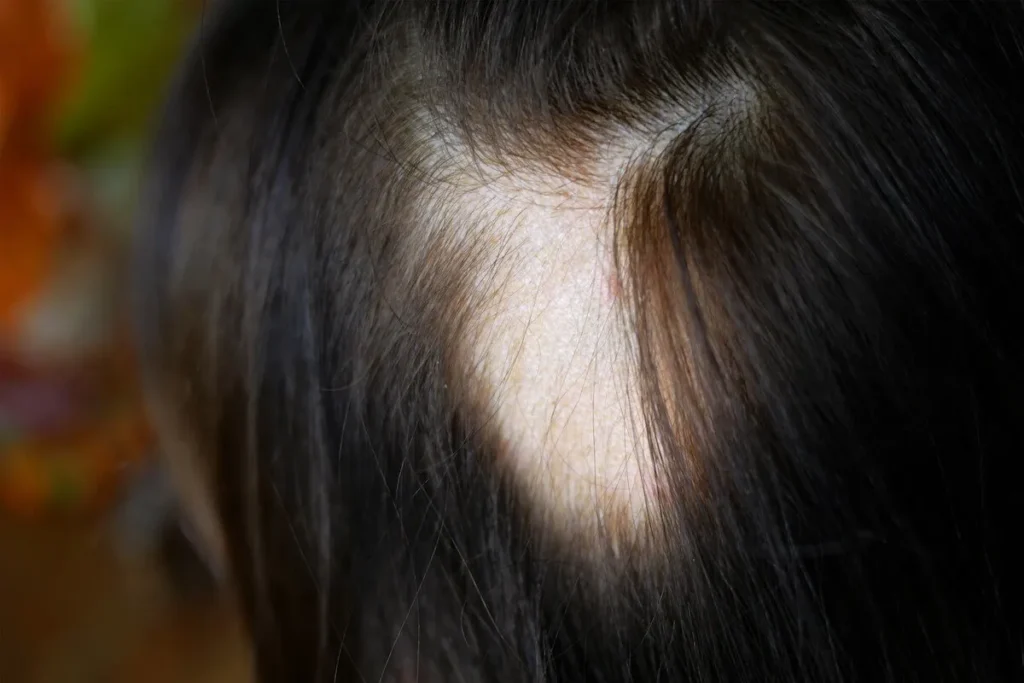
How to Diagnose the Reason Behind Losing Hair at 21
Accurate diagnosis is the cornerstone of effective treatment. Dermatologists and hair‑restoration specialists use a combination of visual assessment, medical history, and specialized tests to pinpoint the cause of hair loss.
Clinical Examination
During the initial visit, the clinician examines the scalp pattern, hair density, and any visible signs of inflammation or scarring. Tools such as a dermatoscope help magnify the follicles and reveal characteristic patterns—miniaturized hairs in androgenetic alopecia versus exclamation‑mark hairs in alopecia areata.
Laboratory Tests
Blood work can uncover hormonal imbalances, iron deficiency, thyroid disorders, or autoimmune markers. Common tests include:
- Complete blood count (CBC)
- Ferritin and serum iron levels
- Thyroid‑stimulating hormone (TSH)
- Androgen panel (testosterone, DHT)
- Autoimmune panel (ANA, anti‑thyroid antibodies)
Scalp Biopsy and Imaging
In ambiguous cases, a small scalp biopsy provides microscopic insight into follicle health. Additionally, high‑resolution ultrasound or trichoscopy can map hair density across the scalp.
| Diagnostic Method | Purpose | Typical Cost (EUR) |
|---|---|---|
| Dermatoscopic Examination | Visual pattern identification | €50–€100 |
| Blood Tests (CBC, Ferritin, TSH) | Detect systemic causes | €80–€150 |
| Scalp Biopsy | Histological analysis | €300–€500 |
| Trichoscopy/Ultrasound | Detailed density mapping | €120–€200 |
By combining these approaches, specialists can differentiate between androgenetic alopecia, alopecia areata, traction alopecia, and other less common conditions, ensuring that the treatment plan addresses the true underlying issue.
Effective Treatment Options for Early‑Onset Hair Loss
Once the cause of losing hair at 21 is identified, a range of evidence‑based treatments can be considered. The choice depends on the diagnosis, severity, and personal preferences.
Medical Therapies
Two FDA‑approved medications dominate early‑stage treatment:
- Minoxidil (2% or 5%): A topical vasodilator that prolongs the anagen (growth) phase. Applied twice daily, it can stimulate new growth in up to 40% of users.
- Finasteride (1 mg): An oral 5‑alpha‑reductase inhibitor that reduces DHT levels, slowing follicle miniaturization. Primarily prescribed for men, it shows significant density improvement after 6–12 months.
Procedural Interventions
For those seeking faster or more permanent results, procedural options are available:
- Low‑Level Laser Therapy (LLLT): Non‑invasive light devices that increase cellular metabolism in follicles.
- Platelet‑Rich Plasma (PRP) Injections: Autologous blood plasma rich in growth factors injected into the scalp to stimulate regeneration.
- Follicular Unit Extraction (FUE) Hair Transplant: Microscopic extraction of healthy follicles from a donor area and implantation into thinning zones. Modern FUE offers natural‑looking density with minimal scarring.
Adjunctive Therapies
Supplements (biotin, zinc, omega‑3 fatty acids) and topical anti‑inflammatory agents can complement primary treatments, especially when nutritional deficiencies are present.
| Treatment | Typical Duration | Expected Results | Key Considerations |
|---|---|---|---|
| Minoxidil | 3–6 months | Gradual thickening | Must be used continuously |
| Finasteride | 6–12 months | Stabilization & regrowth | Potential hormonal side effects |
| LLLT | 12 weeks (2‑3 sessions/week) | Improved density | Device cost varies |
| PRP | 3‑4 sessions over 6 months | Noticeable thickening | Requires blood draw |
| FUE Transplant | 1‑2 days procedure | Permanent, natural‑looking | Higher upfront cost |
Choosing the right combination often involves a personalized plan. For many 21‑year‑olds, starting with minoxidil and lifestyle adjustments, followed by a professional assessment for PRP or FUE if needed, yields the best balance of efficacy and cost.
Lifestyle Changes and Home Remedies to Support Hair Growth
Medical interventions work best when paired with healthy habits. Simple, evidence‑based lifestyle tweaks can enhance follicle resilience and complement clinical treatments.
- Balanced Nutrition: Prioritize protein, iron‑rich foods (lean meat, legumes, leafy greens), omega‑3 fatty acids (salmon, walnuts), and vitamins A, C, D, and E.
- Scalp Hygiene: Use a gentle, sulfate‑free shampoo and avoid excessive heat styling that can weaken hair shafts.
- Stress Management: Incorporate mindfulness, regular exercise, or yoga to lower cortisol, a known contributor to telogen effluvium.
- Avoid Tight Hairstyles: Reduce tension from braids, ponytails, or hair extensions to prevent traction alopecia.
- Regular Scalp Massage: Stimulate blood flow with 5‑minute daily massages using fingertips or a soft brush.
While these measures alone may not reverse advanced androgenetic alopecia, they create an optimal environment for any medical or procedural treatment to take effect.
When to Seek Professional Help at Gold City Medical Center
If you notice persistent thinning, a receding hairline, or sudden bald patches, it’s time to schedule a consultation. Early intervention—ideally before the age of 25—offers the greatest chance of preserving existing follicles and achieving long‑term regrowth.
Gold City Medical Center combines state‑of‑the‑art diagnostic tools with a multidisciplinary team experienced in both medical and surgical hair restoration. Our integrative approach ensures that every patient receives a tailored plan that may include:
- Comprehensive scalp analysis and blood work
- Personalized prescription of minoxidil or finasteride
- Advanced PRP therapy sessions
- Precision FUE hair transplantation performed by board‑certified surgeons
- Ongoing support with nutrition counseling and stress‑reduction programs
Choosing a center that offers both medical and cosmetic expertise reduces the need for multiple appointments and guarantees continuity of care—from diagnosis through post‑procedure follow‑up.
Why Choose Gold City Medical Center
Gold City Medical Center stands out for its integrative philosophy, combining cutting‑edge hair restoration technology with holistic wellness services. Our team of dermatologists, trichologists, and cosmetic surgeons collaborates to create individualized treatment pathways that address the root cause of losing hair at 21. With a track record of successful hair transplants and a commitment to patient education, we empower you to make informed decisions and achieve lasting results.
Ready to take control of your hair health? Contact Gold City Medical Center today to schedule a personalized consultation and discover the most effective solutions for your unique situation.
Call us or fill out our online form—our specialists are eager to help you regain confidence and a fuller head of hair.
FAQ
What are the most common causes of hair loss at age 21?
The main causes include genetic predisposition (androgenetic alopecia), autoimmune disorders like alopecia areata, hormonal imbalances, traction alopecia, stress and nutritional deficiencies, and certain medications.
How is hair loss diagnosed in young adults?
Diagnosis combines a clinical scalp examination, dermatoscopic imaging, blood tests for hormonal and nutritional markers, and sometimes a scalp biopsy or trichoscopy.
Which medical treatments are effective for early‑onset hair loss?
FDA‑approved options include topical minoxidil and oral finasteride; both work by extending the growth phase and reducing DHT levels respectively.
What procedural options are available for a 21‑year‑old with hair loss?
Procedures include low‑level laser therapy, platelet‑rich plasma (PRP) injections, and Follicular Unit Extraction (FUE) hair transplantation.
Can lifestyle changes help improve hair growth at age 21?
Yes, balanced nutrition, proper scalp hygiene, stress management, avoiding tight hairstyles, and regular scalp massage can support hair health.
When should I consult a specialist at Gold City Medical Center for hair loss?
Schedule a consultation if you notice persistent thinning, a receding hairline, or sudden bald patches, ideally before age 25.





