Many people ask themselves, why am i bald, and the answer often lies in a combination of genetics, hormones, health conditions, and daily habits. In this article we explore the most common reasons for hair loss, explain how age and gender influence the process, and outline practical steps you can take to address thinning hair.
Hair loss affects up to 50 % of men by age 50 and a significant number of women experience noticeable thinning after menopause. Recognizing the underlying cause is essential because it determines which treatment will be most effective. Whether you are dealing with a receding hairline, bald patches, or gradual thinning, understanding the science behind hair loss empowers you to make informed decisions.
We will cover the biological mechanisms, lifestyle factors, and medical options available at Gold City Medical Center, helping you move from confusion to confidence in managing your hair health.
Common Causes of Hair Loss
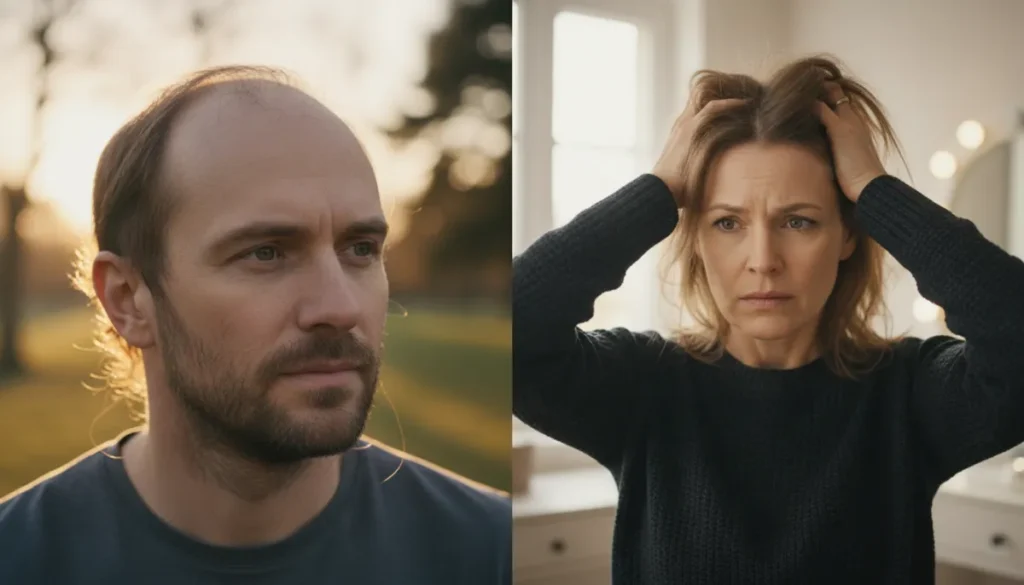
Hair loss is not a single condition but a symptom that can arise from several distinct disorders. Below are the most frequently encountered causes:
- Androgenetic alopecia (male or female pattern baldness) – the most common hereditary form, driven by dihydrotestosterone (DHT) affecting hair follicles.
- Alopecia areata – an autoimmune disease where the immune system attacks hair follicles, leading to sudden bald patches.
- Telogen effluvium – a temporary shedding phase often triggered by stress, illness, or medication.
- Scarring (cicatricial) alopecia – permanent loss caused by inflammation or injury that destroys follicular tissue.
- Nutritional deficiencies – lack of iron, zinc, or protein can weaken hair growth.
Understanding which type you are experiencing helps guide appropriate treatment. The table below summarizes key characteristics:
| Type of Hair Loss | Typical Pattern | Primary Triggers | Reversibility |
|---|---|---|---|
| Androgenetic Alopecia | Gradual thinning on crown and temples | Genetics, DHT | Partially reversible with medication |
| Alopecia Areata | Round, smooth bald patches | Autoimmune response | Often regrows spontaneously or with therapy |
| Telogen Effluvium | Diffuse shedding across scalp | Stress, illness, drugs | Usually reversible within months |
| Scarring Alopecia | Irregular, scarred areas | Inflammation, burns, infections | Permanent loss |
If you find yourself asking “why am i bald” and notice any of these patterns, a professional assessment is the next logical step.
How Age and Hormones Influence Baldness
Age is a major factor in hair health. As we grow older, the growth phase (anagen) of each hair follicle shortens, while the resting phase (telogen) lengthens. Hormonal shifts, especially the rise of dihydrotestosterone (DHT) in men and changes in estrogen levels in women, accelerate this process.
Male Pattern Baldness
In men, DHT binds to receptors in scalp follicles, causing them to shrink—a process called miniaturization. This typically begins at the hairline and crown, creating the classic “M” shape. The condition is known as male pattern baldness and accounts for the majority of male hair loss cases.
Female Pattern Baldness
Women experience a more diffuse thinning, often beginning at the part line. While genetics play a role, hormonal fluctuations during menopause can intensify the effect, leading to what is sometimes called “androgenic alopecia” in females.
Below is a comparison of age‑related trends:
| Age Range | Typical Male Changes | Typical Female Changes |
|---|---|---|
| 20‑30 | Early recession at temples | Minimal, occasional shedding |
| 30‑45 | Noticeable thinning on crown | Gradual widening of part |
| 45‑60 | Advanced balding, possible complete loss | Significant diffuse thinning |
Recognizing these patterns can help you answer the question “why am i bald” with greater precision and choose age‑appropriate interventions.
Lifestyle and Environmental Triggers
Beyond genetics, daily habits and external factors can accelerate hair loss. Understanding these triggers provides actionable ways to reduce shedding and improve scalp health.
Stress and Sleep
Chronic stress pushes hair follicles into the telogen phase, leading to telogen effluvium. Adequate sleep supports hormone regulation and cellular repair, both essential for healthy hair growth.
Nutrition and Supplements
Deficiencies in iron, vitamin D, zinc, and biotin are linked to thinning hair. A balanced diet rich in lean proteins, leafy greens, and healthy fats supplies the building blocks needed for keratin production.
Hair Care Practices
Traction alopecia results from tight hairstyles such as braids, ponytails, or buns that pull on the scalp. Harsh chemicals, excessive heat, and frequent brushing can also damage the cuticle, leading to breakage.
Practical checklist for minimizing lifestyle‑related hair loss:
- Aim for 7‑9 hours of quality sleep each night.
- Manage stress through mindfulness, exercise, or counseling.
- Consume a diet rich in iron (red meat, lentils), vitamin D (fatty fish, sunlight), and zinc (nuts, seeds).
- Avoid tight hairstyles and limit heat styling to 2‑3 times per week.
- Choose sulfate‑free shampoos and gentle conditioners.
Addressing these factors can answer “why am i bald” for many who experience diffuse shedding without an underlying medical condition.
When to Seek Professional Evaluation
While lifestyle adjustments help, certain signs indicate that medical intervention is necessary. If you notice rapid hair loss, persistent bald patches, or accompanying scalp symptoms, it’s time to consult a specialist.
Red‑Flag Symptoms
- Sudden loss of more than 100 hairs per day.
- Scalp itching, redness, or pain.
- Visible bald spots that enlarge over weeks.
- Hair loss accompanied by weight change or fatigue.
Professional assessment typically includes a detailed medical history, scalp examination, and possibly blood tests to rule out thyroid issues, anemia, or hormonal imbalances.
Comparison of diagnostic tools:
| Tool | Purpose | Typical Use |
|---|---|---|
| Trichoscopy | Visualize follicle health | Identify miniaturized hairs, inflammation |
| Blood Panel | Check hormonal and nutritional status | Detect anemia, thyroid, vitamin D levels |
| Scalp Biopsy | Confirm scarring alopecia | Rare, used for uncertain cases |
Early diagnosis not only clarifies “why am i bald” but also expands the range of effective treatments.
Treatment Options Available Today
Modern medicine offers a spectrum of solutions, from topical agents to surgical restoration. Selecting the right approach depends on the underlying cause, severity, and personal preferences.
Medical Therapies
- Finasteride – oral medication that reduces DHT production, proven effective for male pattern baldness.
- Minoxidil – topical solution that prolongs the anagen phase, suitable for both men and women.
- Platelet‑rich plasma (PRP) – injections that stimulate follicular activity using the patient’s own growth factors.
Surgical Solutions
- Follicular Unit Extraction (FUE) – minimally invasive hair transplant that relocates healthy follicles to balding areas.
- Scalp Micropigmentation – cosmetic tattooing that creates the illusion of density.
Adjunctive Cosmetic Treatments
- Low‑level laser therapy (LLLT) – devices that emit red light to improve circulation.
- Hair‑building fibers – temporary cosmetic powders that mask thinning areas.
Gold City Medical Center combines these modalities within an integrative framework, ensuring each patient receives a personalized plan that addresses the root cause and aesthetic goals.
Why Choose Gold City Medical Center
Gold City Medical Center brings together experienced dermatologists, trichologists, and cosmetic surgeons to deliver comprehensive hair loss care. Our integrative approach blends evidence‑based medical treatments with cutting‑edge transplant techniques, all performed in a comfortable, patient‑focused environment. We prioritize accurate diagnosis, personalized therapy, and ongoing support, helping you regain confidence and a fuller head of hair.
Ready to uncover the reason behind your hair loss and explore effective solutions? Contact Gold City Medical Center today to schedule a confidential consultation and take the first step toward restoring your hair and confidence.
FAQ
What are the most common causes of hair loss?
The most common causes include androgenetic alopecia, alopecia areata, telogen effluvium, scarring alopecia, and nutritional deficiencies.
How does age affect baldness in men and women?
Age shortens the hair growth phase and lengthens the resting phase, while hormonal changes like increased DHT in men and reduced estrogen in women accelerate thinning.
Can stress and sleep affect hair loss?
Yes, chronic stress can push follicles into the telogen phase, causing telogen effluvium, while poor sleep disrupts hormone regulation needed for healthy hair growth.
What lifestyle changes can help prevent hair thinning?
Maintain a balanced diet rich in iron, vitamin D, zinc, and protein, get enough sleep, manage stress, avoid tight hairstyles, limit heat styling, and use gentle hair care products.
When should I see a doctor for hair loss?
Seek professional evaluation if you notice rapid shedding, persistent bald patches, scalp pain or itching, or hair loss accompanied by other symptoms like weight change or fatigue.
What treatment options are available for hair loss?
Treatments range from medical therapies like finasteride, minoxidil, and PRP injections to surgical options such as FUE hair transplants and cosmetic solutions like scalp micropigmentation.





