Many people wonder does PRP work for hair loss and turn to the internet for answers. Platelet‑rich plasma (PRP) has become a buzzword in hair restoration, promising a natural, minimally invasive solution. Understanding the science behind PRP, the clinical evidence, and what the treatment entails is essential before making a decision.
Hair loss affects up to 40 % of men and 30 % of women by age 50, creating a growing demand for effective therapies. Traditional options such as medication, hair transplants, and low‑level laser therapy each have limitations, prompting patients to explore newer alternatives like PRP injections.
In this article we will examine the mechanism of PRP, review the latest research, outline the procedure, discuss benefits and risks, and help you determine if you are a suitable candidate. By the end you’ll have a clear, evidence‑based perspective on whether PRP can be a viable part of your hair‑loss journey.
Understanding PRP: How It Works for Hair Restoration
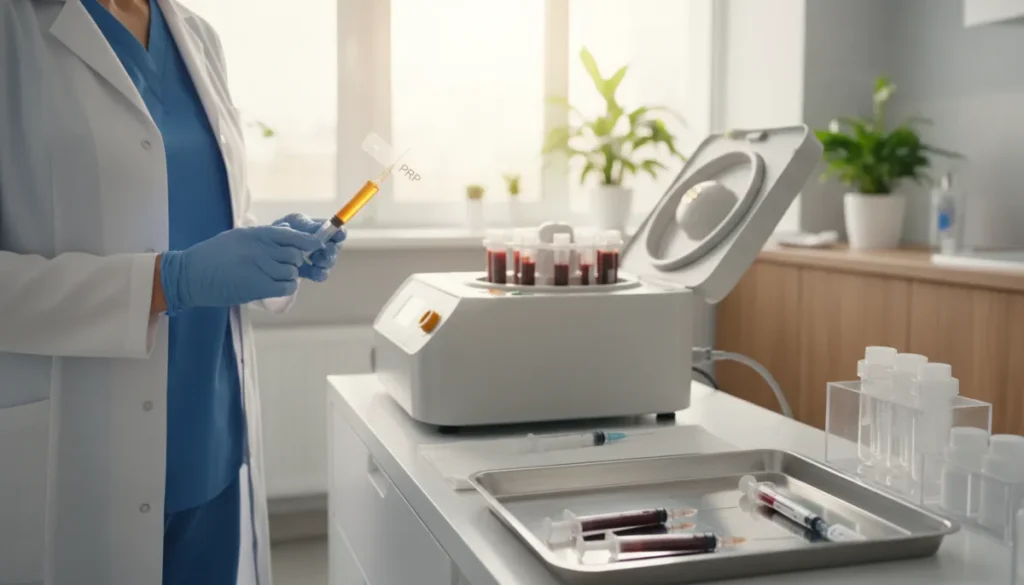
Platelet‑rich plasma is derived from a small sample of your own blood, which is then centrifuged to concentrate the platelets. These platelets release growth factors that stimulate cellular activity, potentially revitalizing dormant hair follicles.
Key steps in the process include:
- Blood draw – typically 10‑20 ml from the arm.
- Centrifugation – separates plasma rich in platelets from red blood cells.
- Activation – calcium chloride or thrombin may be added to release growth factors.
- Injection – the PRP is administered into the scalp using fine needles.
The concept behind prp injection for hair loss is to create a micro‑environment that encourages angiogenesis (new blood vessel formation) and prolongs the anagen (growth) phase of hair. While the exact mechanisms remain under investigation, the combination of growth factors such as PDGF, TGF‑β, and VEGF is believed to support follicular stem cells.
Patients often report a gradual improvement in hair density over several months, as the treatment does not produce immediate results. This delayed effect aligns with the natural hair‑growth cycle, which typically spans 2‑6 years.
Clinical Evidence: What Studies Say About PRP and Hair Loss
Scientific research on PRP for hair loss has grown over the past decade. A systematic review of randomized controlled trials found that PRP therapy resulted in a statistically significant increase in hair density compared with placebo or no treatment in the majority of studies.
Key findings from recent publications include:
| Study | Design | Participants | Outcome |
|---|---|---|---|
| Gentile 2020 | RCT | 45 men, 30 women | +23 % hair density at 12 weeks |
| Singhal 2021 | Prospective cohort | 60 patients with androgenetic alopecia | Improved Sinclair score in 68 % of cases |
| Kang 2022 | Meta‑analysis (7 RCTs) | Combined n = 312 | Mean difference of 18 hairs/cm² vs. control |
While the data are promising, variability in preparation protocols, injection techniques, and patient selection makes direct comparisons challenging. Some studies report modest benefits, while others note more pronounced improvements, especially when PRP is combined with microneedling or low‑level laser therapy.
Overall, the consensus among dermatologists is that PRP can be an effective adjunctive therapy, particularly for early‑stage androgenetic alopecia. However, the phrase does PRP work for hair loss still generates debate, underscoring the importance of individualized assessment.
Procedure Details: What to Expect During PRP Treatment
Understanding the logistics of a PRP session helps set realistic expectations. The typical protocol at Gold City Medical Center involves three to four sessions spaced four weeks apart, followed by maintenance injections every 4‑6 months.
Step‑by‑step overview:
- Consultation – A specialist evaluates your hair‑loss pattern, medical history, and suitability for PRP.
- Blood collection – A small amount of blood is drawn, similar to a routine lab test.
- Processing – The sample is placed in a centrifuge for 10‑15 minutes to isolate platelet‑rich plasma.
- Scalp preparation – The area is cleaned and, if desired, a topical anesthetic is applied.
- Injection – Using a fine‑gauge needle, the practitioner injects PRP into the scalp at 1‑cm intervals, targeting thinning zones.
- Post‑procedure care – Patients are advised to avoid vigorous washing, direct sunlight, and hair styling products for 24 hours.
The entire appointment typically lasts 45‑60 minutes. Discomfort is minimal, and most patients resume normal activities immediately. Side effects are rare but can include mild swelling, bruising, or temporary redness at injection sites.
Because the treatment utilizes your own blood, the risk of allergic reaction or disease transmission is virtually eliminated, making PRP a safe option for many candidates.
Benefits and Risks: Weighing PRP Against Other Hair Loss Options
When considering hair‑loss treatments, it helps to compare PRP with alternatives such as finasteride, minoxidil, and surgical hair transplantation.
Benefits of PRP:
- Uses autologous material – no foreign substances.
- Minimally invasive with short recovery time.
- Can be combined with other modalities for synergistic effect.
- Potential improvement in hair thickness and density.
Potential risks and limitations:
- Variable results – not all patients respond equally.
- Requires multiple sessions and ongoing maintenance.
- Cost may be higher than topical medications.
- Limited long‑term data compared with established surgical methods.
In contrast, oral medications like finasteride have a well‑documented efficacy but carry systemic side effects, while hair transplants offer permanent results but involve surgical risks and higher upfront costs. PRP occupies a middle ground, offering a natural, low‑risk approach suitable for early‑stage loss or as an adjunct to other therapies.
Answering the question does PRP work for hair loss ultimately depends on individual factors—age, hair‑loss pattern, and expectations. A thorough consultation can clarify whether the benefits outweigh the commitments.
Who Is a Good Candidate? Selecting Patients for PRP Therapy
Not everyone with hair loss will achieve optimal results from PRP. Ideal candidates typically share the following characteristics:
- Early to moderate androgenetic alopecia (Norwood II‑IV for men, Ludwig I‑II for women).
- Intact hair follicles that have not fully miniaturized.
- Good overall health with no active infections or bleeding disorders.
- Realistic expectations regarding gradual improvement.
Patients with extensive scarring alopecia, advanced stage baldness, or certain autoimmune conditions may experience limited benefit. Additionally, individuals currently on anticoagulant therapy may need a medication review before undergoing a prp hair treatment.
During the initial assessment, the specialist will examine scalp photographs, discuss medical history, and may order blood work to ensure platelet counts are sufficient. This personalized approach helps answer the lingering question of does PRP work for hair loss by aligning treatment with the patient’s unique profile.
Why Choose Gold City Medical Center
Gold City Medical Center combines cutting‑edge technology with a holistic approach to hair restoration. Our team of certified dermatologists and hair‑loss specialists follows strict protocols for PRP preparation, ensuring consistent platelet concentration and optimal growth‑factor release. By integrating PRP with complementary treatments such as microneedling and personalized nutrition plans, we aim to maximize results while maintaining safety.
Patients benefit from a welcoming environment, transparent pricing, and a clear treatment roadmap. Our commitment to evidence‑based practice means you receive care rooted in the latest scientific findings, tailored to your individual needs.
Ready to discover if PRP can revitalize your hair? Contact Gold City Medical Center today to schedule a personalized consultation and take the first step toward a fuller, healthier look.
FAQ
Does PRP work for hair loss?
Current research shows PRP can increase hair density in many patients, especially in early‑stage androgenetic alopecia.
How does PRP therapy stimulate hair growth?
PRP releases growth factors that promote angiogenesis and activate follicular stem cells, encouraging the hair growth cycle.
What do clinical studies say about PRP effectiveness for hair loss?
Systematic reviews show PRP improves hair density by 15‑30% in most trials, though protocols differ across studies.
What is the typical PRP treatment protocol?
Most clinics perform three to four monthly sessions followed by maintenance injections every 4‑6 months.
Who is a good candidate for PRP hair treatment?
Ideal candidates have early‑to‑moderate androgenetic alopecia, healthy follicles, and realistic expectations.
What are the risks and side effects of PRP injections for hair loss?
Risks are low; possible side effects include mild swelling, bruising, redness, or temporary discomfort at injection sites.





