When considering aesthetic or hair‑restoration treatments, many patients ask about platelet rich plasma before and after outcomes to gauge effectiveness. Understanding the science, realistic expectations, and recovery timeline helps you decide if this integrative therapy aligns with your goals. In the Netherlands, interest in PRP has surged, with thousands seeking non‑surgical solutions for thinning hair and facial rejuvenation.
In this article we break down the entire process—from how the plasma is prepared, to the visual changes you can anticipate, and the factors that influence results. Whether you are curious about a prp hair treatment or a “vampire facial,” the information below will guide you through each step, so you can make an informed choice at Gold City Medical Center.
We’ll also explore safety considerations, compare PRP with alternative modalities, and highlight why a specialized clinic matters for achieving optimal platelet rich plasma before and after results.
Understanding Platelet Rich Plasma Therapy: How It Works
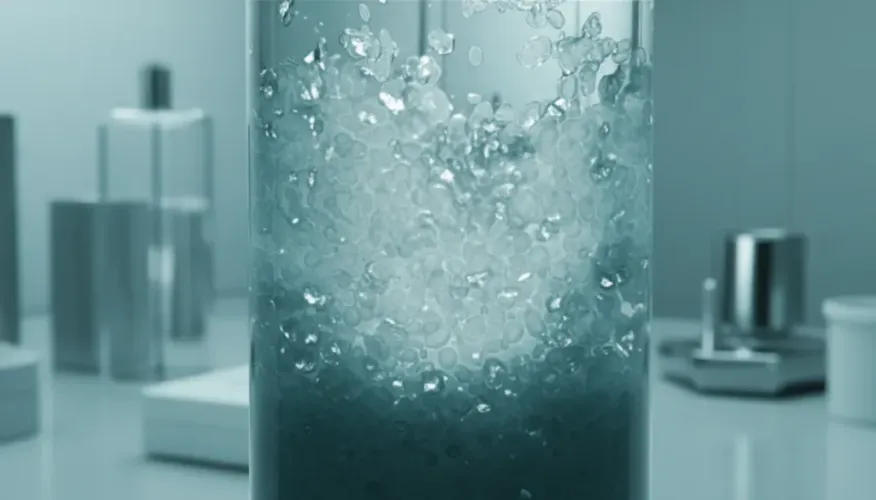
Platelet Rich Plasma (PRP) therapy harnesses the body’s own growth factors to stimulate cellular regeneration. A small volume of blood is drawn, centrifuged to concentrate platelets, and then re‑injected into targeted areas. The high concentration of platelet‑derived growth factor (PDGF) and transforming growth factor‑beta (TGF‑β) encourages collagen synthesis, angiogenesis, and follicular activity.
Key mechanisms include:
- Activation of dormant hair follicles for thicker growth.
- Stimulation of fibroblasts to improve skin texture and elasticity.
- Reduction of inflammation, which can accelerate healing after microneedling.
Because the procedure uses autologous blood, the risk of allergic reaction is minimal. However, the quality of results depends on platelet count, the skill of the practitioner, and patient‑specific factors such as age, hormonal status, and overall health.
In the context of hair restoration, PRP is often combined with microneedling to enhance penetration. This synergy is sometimes described as “prp microneedling before and after” and can be visualized in comparative photo series.
What to Expect: Platelet Rich Plasma Before and After – Visual Results
Seeing real‑world platelet rich plasma before and after photographs helps set realistic expectations. Most clinics, including Gold City Medical Center, document progress at baseline, 3 months, and 6 months post‑treatment. Typical observations include:
- Gradual thickening of existing hair strands.
- Reduced shedding and increased density in the vertex and frontal zones.
- Softer fine lines and a subtle lift in facial skin when used as a “vampire facial”.
Below is a simplified comparison of outcomes for three common PRP applications:
| Application | Typical Timeline | Visible Change |
|---|---|---|
| Hair Restoration (PRP hair) | 3–6 months | Increased hair density, reduced thinning |
| Facial Rejuvenation (PRP facial) | 1–3 months | Improved texture, brighter complexion |
| Under‑Eye Treatment (PRF under eye) | 2–4 months | Diminished dark circles, mild lift |
It’s important to note that “platelet rich plasma before and after” images can vary due to lighting, camera settings, and individual biology. Consistency in photography (same angle, lighting, and distance) is essential for accurate assessment.
Benefits and Limitations of PRP for Hair Restoration
PRP has become a popular alternative to surgical hair transplants, especially for patients with early‑stage androgenetic alopecia. The primary advantages include minimal downtime, low risk of scarring, and the use of the patient’s own blood, which eliminates the need for foreign substances.
Key benefits:
- Non‑invasive – No incisions or grafts.
- Short procedure time (typically 30–45 minutes).
- Potential to improve existing hair quality, not just quantity.
However, PRP is not a miracle cure. Limitations to consider:
- Results are modest compared to surgical transplantation.
- Multiple sessions (usually 3–4) are required for noticeable improvement.
- Effectiveness can decline with advanced balding patterns.
When evaluating “prp hair loss treatment” options, compare them against other modalities such as low‑level laser therapy (LLLT) or finasteride. A concise comparison is shown below:
| Method | Invasiveness | Typical Cost (EUR) | Result Onset |
|---|---|---|---|
| PRP Hair | Minimally invasive | €300‑€500 per session | 3‑6 months |
| Hair Transplant (FUE) | Surgical | €3,000‑€8,000 | 6‑12 months |
| LLLT | Non‑invasive | €150‑€300 for device | 6‑12 months |
Patients often combine PRP with other treatments for synergistic effects—such as “prp microneedling before and after” protocols that enhance absorption of topical minoxidil.
The Procedure Process: From Consultation to Post‑Treatment Care
The journey begins with a detailed consultation. At Gold City Medical Center, clinicians assess medical history, perform a scalp examination, and discuss realistic goals. A typical PRP pathway includes:
- Initial Assessment: Review of hair loss pattern, blood work if needed.
- Blood draw (approximately 20 ml) and centrifugation.
- Preparation of the platelet‑rich layer.
- Scalp cleansing and optional microneedling to create micro‑channels.
- Injection of PRP into targeted zones.
- Post‑procedure instructions and scheduling of follow‑up sessions.
Patients are usually advised to avoid strenuous exercise, excessive sun exposure, and hair styling products for 24–48 hours. Mild redness or swelling may occur but typically resolves within a day.
Follow‑up appointments are crucial for monitoring progress. During each visit, clinicians may capture standardized photographs to track “platelet rich plasma before and after” changes over time.
Frequently Considered Concerns: Safety, Cost, and Recovery Time
Safety is a top priority for any injectable therapy. Because PRP uses autologous blood, the risk of allergic reaction or disease transmission is virtually nonexistent. Minor side effects may include temporary bruising, soreness, or mild swelling at injection sites.
Cost varies by region and clinic expertise. At Gold City Medical Center, a single PRP session for hair restoration typically ranges from €300 to €500, with package discounts for multiple treatments. While the upfront cost is higher than over‑the‑counter products, the long‑term benefits—such as reduced need for ongoing medications—can offset the investment.
Recovery time is minimal. Most patients resume normal activities within 24 hours. For facial applications like “prp facial before and after,” a brief downtime of 1–2 days is common due to slight redness.
When weighing “prp hair treatment” against other options, consider the cumulative effect of a series of sessions. Consistency, proper after‑care, and realistic expectations are key to achieving satisfying “platelet rich plasma before and after” outcomes.
Why Choose Gold City Medical Center
Gold City Medical Center combines medical expertise with cutting‑edge aesthetic technology, offering a comprehensive approach to PRP therapies. Our team of certified physicians tailors each treatment to individual needs, ensuring optimal “platelet rich plasma before and after” results. With a focus on safety, evidence‑based protocols, and patient education, we provide a trustworthy environment for those seeking effective, minimally invasive solutions for hair loss and facial rejuvenation.
Ready to see your own platelet rich plasma before and after transformation? Contact Gold City Medical Center today to schedule a personalized consultation and take the first step toward renewed confidence.
FAQ
What is platelet rich plasma (PRP) therapy and how does it work?
PRP therapy uses a patient’s own blood, concentrates the platelets, and injects them into targeted areas to stimulate tissue regeneration.
What results can I expect from PRP hair treatment?
Most patients see gradual thickening of existing hair, reduced shedding, and increased density after 3–6 months of treatment.
How long does recovery take after a PRP facial (vampire facial)?
Recovery is minimal; most patients resume normal activities within 24‑48 hours, with mild redness lasting a day or two.
What are the costs of PRP treatments at Gold City Medical Center?
A single PRP session for hair restoration costs between €300 and €500, with package discounts for multiple treatments.
Are there any risks or side effects associated with PRP therapy?
Side effects are generally mild and include temporary bruising, soreness, or swelling at injection sites.
How many PRP sessions are needed for noticeable improvement?
Typically 3–4 sessions spaced a month apart are recommended to achieve visible results.
How does PRP compare to surgical hair transplant (FUE) in terms of results and cost?
PRP is less invasive and cheaper per session but yields modest results, while FUE offers more dramatic, permanent hair growth at a higher cost.
Can PRP be combined with microneedling for better results?
Yes, combining PRP with microneedling enhances absorption and can improve outcomes for both hair and skin treatments.

