A hair loss workup is the first step toward understanding why strands are shedding and how to stop it. Whether you notice a few stray hairs in the shower or a widening bald spot, a systematic evaluation can pinpoint the underlying cause and shape an effective treatment plan. In the Netherlands, more than 30 % of men and 15 % of women experience noticeable thinning by age 40, making early assessment essential.
This article walks you through every stage of a professional hair loss workup—from the initial consultation and laboratory testing to advanced imaging and personalized treatment strategies. You’ll learn what questions your doctor will ask, which tests are most informative, and how results translate into options such as medication, hair transplant, or integrative therapies.
By the end of this guide, you’ll know exactly what to expect during your appointment at Gold City Medical Center and how to collaborate with specialists to achieve lasting hair regrowth.
Understanding the Causes of Hair Loss
Hair loss is rarely caused by a single factor; most cases involve a combination of genetics, hormones, and lifestyle influences. Recognizing these contributors is crucial for a targeted workup.
Genetic Factors
Androgenetic alopecia, often called male or female pattern baldness, is the most common hereditary condition. It results from an inherited sensitivity of hair follicles to dihydrotestosterone (DHT), leading to progressive mini‑miniaturization of strands.
Hormonal Influences
Hormonal shifts—such as those occurring during pregnancy, menopause, or thyroid disorders—can trigger diffuse thinning. Conditions like polycystic ovary syndrome (PCOS) also elevate androgen levels, accelerating hair loss in women.
Lifestyle and Environmental Triggers
Stress, poor nutrition, and certain medications can exacerbate shedding. Even harsh hair care practices or exposure to pollutants may weaken the scalp’s protective barrier.
- Stress‑related telogen effluvium
- Iron or vitamin D deficiency
- Medications: anticoagulants, retinoids, beta‑blockers
- Environmental factors: UV radiation, chlorine
| Feature | Male Pattern Baldness | Female Pattern Baldness |
|---|---|---|
| Typical Pattern | Receding hairline, vertex thinning | Diffuse thinning over crown, preserving frontal hairline |
| Onset Age | Late teens to 30 years | 30 – 50 years |
| Hormonal Driver | DHT sensitivity | Estrogen‑androgen imbalance |
Components of a Comprehensive Hair Loss Workup
A thorough hair loss workup blends clinical evaluation with targeted laboratory tests to build a complete picture of scalp health.
Medical History and Physical Examination
The physician begins by documenting family history, onset timing, and any associated symptoms such as itching or scalp pain. A scalp inspection under magnification helps identify patterns, inflammation, or signs of infection.
Blood Tests and Hormone Panels
Laboratory analysis often includes:
- Complete blood count (CBC) – to rule out anemia
- Thyroid‑stimulating hormone (TSH) – assesses thyroid function
- Ferritin and serum iron – evaluates iron stores
- Vitamin D and B12 levels – essential for follicle health
- Sex hormones (testosterone, DHT, estrogen) – especially in androgenetic alopecia
These results guide decisions about supplements, hormonal therapy, or the need for medications such as finasteride for hair loss.
Scalp Microscopy and Trichoscopy
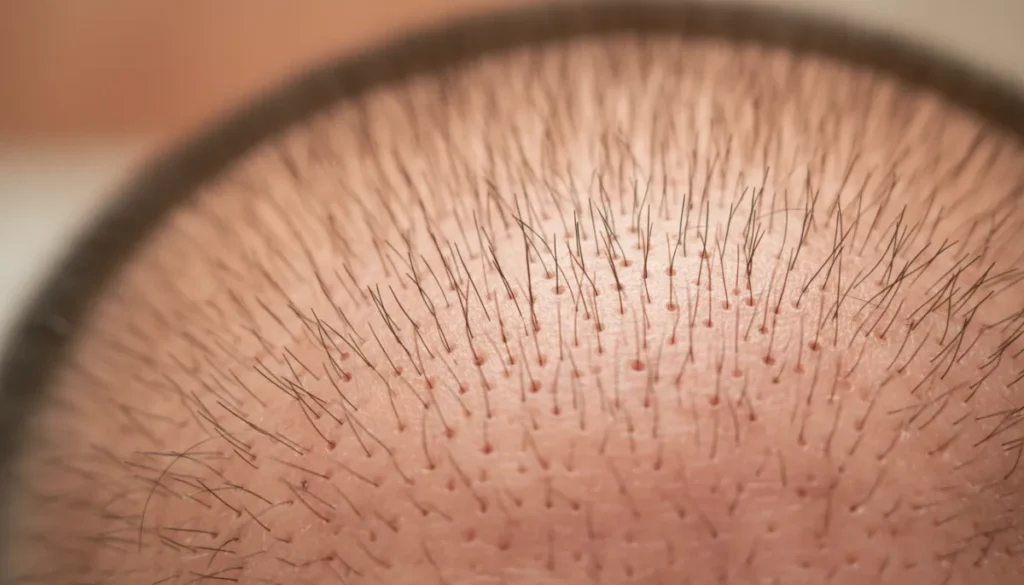
Trichoscopy, a non‑invasive dermatoscopic technique, reveals follicular density, miniaturization, and perifollicular inflammation. It helps differentiate between alopecia areata, telogen effluvium, and scarring alopecia.
When appropriate, a dermatologist may also perform a pull test to estimate active shedding rates.
Diagnostic Tools and Advanced Imaging
Beyond basic exams, modern clinics employ sophisticated tools to quantify hair loss and predict treatment outcomes.
Dermatoscopy
High‑resolution dermatoscopes capture images that can be stored for longitudinal monitoring. Software algorithms analyze hair density and shaft thickness, providing objective metrics.
Scalp Biopsy
In ambiguous cases—particularly when scarring alopecia is suspected—a 4‑mm punch biopsy is taken. Histopathology reveals inflammatory infiltrates, fibrosis, or follicular miniaturization patterns.
Digital Imaging and AI Analysis
Three‑dimensional imaging systems map the scalp surface, allowing clinicians to simulate post‑procedure results for hair transplant planning. Artificial intelligence can compare baseline photographs with follow‑up images to calculate percentage regrowth.
| Tool | Purpose | Key Benefit |
|---|---|---|
| Trichoscopy | Visualize follicle health | Non‑invasive, immediate feedback |
| Scalp Biopsy | Diagnose inflammatory or scarring alopecia | Definitive histological confirmation |
| 3‑D Imaging + AI | Quantify density, plan surgery | Accurate outcome prediction |
Interpreting Results and Planning Treatment
After gathering clinical and laboratory data, the specialist crafts a personalized treatment roadmap.
When Medication Is Recommended
If hormonal imbalance or nutrient deficiency is identified, oral therapies may include:
- Finasteride (for men) or low‑dose oral minoxidil (for both sexes)
- Topical minoxidil 5 % solution
- Iron or vitamin D supplementation
- Anti‑androgen agents for women (e.g., spironolactone)
Adjunctive products such as best hair growth products—containing peptides, caffeine, or biotin—can support follicle vitality.
When Surgical Options Are Considered
Patients with advanced androgenetic alopecia or stable scarring alopecia may benefit from hair transplant techniques:
- Follicular Unit Extraction (FUE)
- Follicular Unit Transplantation (FUT)
- Robotic‑assisted FUE for precision
Gold City Medical Center’s integrative approach combines surgical expertise with post‑operative care, including platelet‑rich plasma (PRP) sessions to enhance graft survival.
Integrative Approaches and Lifestyle Changes
Beyond medical and surgical interventions, lifestyle modifications play a supportive role. Recommendations often include:
- Stress‑management techniques (mindfulness, yoga)
- Balanced diet rich in omega‑3 fatty acids, zinc, and protein
- Avoiding tight hairstyles and harsh chemicals
- Using gentle, sulfate‑free shampoos
When appropriate, clinicians may suggest hair growth supplements for women or men, tailored to the individual’s lab results.
Follow‑Up and Long‑Term Management
Hair restoration is an ongoing journey; regular follow‑up ensures that treatment remains effective and adjustments are made promptly.
Monitoring Progress
Every 3–6 months, the clinic repeats trichoscopic imaging and photographic documentation. Objective metrics—such as hair count per cm²—help quantify improvement.
Adjusting Therapy
If a medication shows limited response, the physician may increase dosage, combine agents (e.g., finasteride plus topical minoxidil), or transition to procedural options like PRP or low‑level laser therapy.
Patients are encouraged to maintain open communication about side effects, lifestyle changes, and any new concerns.
Why Choose Gold City Medical Center for Your Hair Loss Workup
Gold City Medical Center blends state‑of‑the‑art diagnostics with a holistic philosophy, offering a seamless hair loss workup experience under one roof. Our multidisciplinary team includes dermatologists, trichologists, and certified surgeons who collaborate to deliver personalized treatment plans. With advanced imaging, evidence‑based medication protocols, and award‑winning hair transplant techniques, we ensure every patient receives the highest standard of care. Trust our expertise to guide you from diagnosis to lasting regrowth.
Ready to uncover the cause of your hair loss and start a tailored treatment plan? Contact Gold City Medical Center today to schedule your comprehensive hair loss workup and take the first step toward fuller, healthier hair.
FAQ
What is included in a hair loss workup?
A hair loss workup combines medical history, physical exam, blood tests, trichoscopy, and sometimes scalp biopsy to pinpoint the cause of thinning.
How do doctors determine the cause of hair loss?
Doctors evaluate genetic, hormonal, lifestyle, and medical factors through history, labs, and visual examinations to identify the underlying cause.
What blood tests are recommended for a hair loss evaluation?
Typical labs include CBC, thyroid‑stimulating hormone, ferritin, vitamin D, vitamin B12, and sex hormone panels.
What is trichoscopy and how does it help diagnose hair loss?
Trichoscopy is a dermatoscopic technique that visualizes hair follicles, revealing miniaturization and inflammation without invasive procedures.
When is a scalp biopsy necessary in hair loss diagnosis?
A scalp biopsy is performed when the cause remains unclear, especially to confirm scarring alopecia or inflammatory disorders.
What treatment options are available after a hair loss workup?
Treatment may include medication (finasteride, minoxidil), surgical hair transplant, PRP therapy, supplements, and lifestyle changes.





