Finding the latest hair fall treatment that truly works can feel overwhelming, especially with the flood of products and procedures marketed online. This article breaks down the most recent advances, explains how they target the root causes of hair loss, and guides you toward a solution that fits your lifestyle and goals. Did you know that over 40 % of men and 30 % of women experience noticeable thinning by age 35? Early intervention with modern therapies can dramatically improve outcomes.
We’ll explore the science behind emerging treatments, compare them with traditional approaches, and highlight practical steps you can take today to support healthier hair growth. Whether you’re considering a non‑invasive topical serum, an oral medication, or a minimally invasive procedure, understanding the mechanisms will help you make an informed decision.
By the end of this guide, you’ll have a clear picture of which hair loss treatment aligns with your specific pattern of thinning, budget, and long‑term maintenance plan.
Understanding Hair Loss and Its Underlying Causes
Before diving into the latest hair fall treatment options, it’s essential to grasp why hair loss occurs. The most common form, androgenetic alopecia, is driven by genetic sensitivity to dihydrotestosterone (DHT), which shortens the hair growth cycle. Hormonal fluctuations, stress, nutritional deficiencies, and certain medications can also trigger telogen effluvium, leading to diffuse shedding.
Key factors to consider include:
- Genetic predisposition and family history
- Hormonal changes (e.g., menopause, thyroid disorders)
- Inflammatory scalp conditions such as seborrheic dermatitis
- Lifestyle influences: diet, sleep, and stress levels
Understanding these variables helps you select a treatment that addresses the specific pathway causing your hair thinning. For example, if DHT is the primary culprit, a finasteride for hair loss regimen may be appropriate, while inflammatory scalp issues might respond better to anti‑inflammatory shampoos and topical steroids.
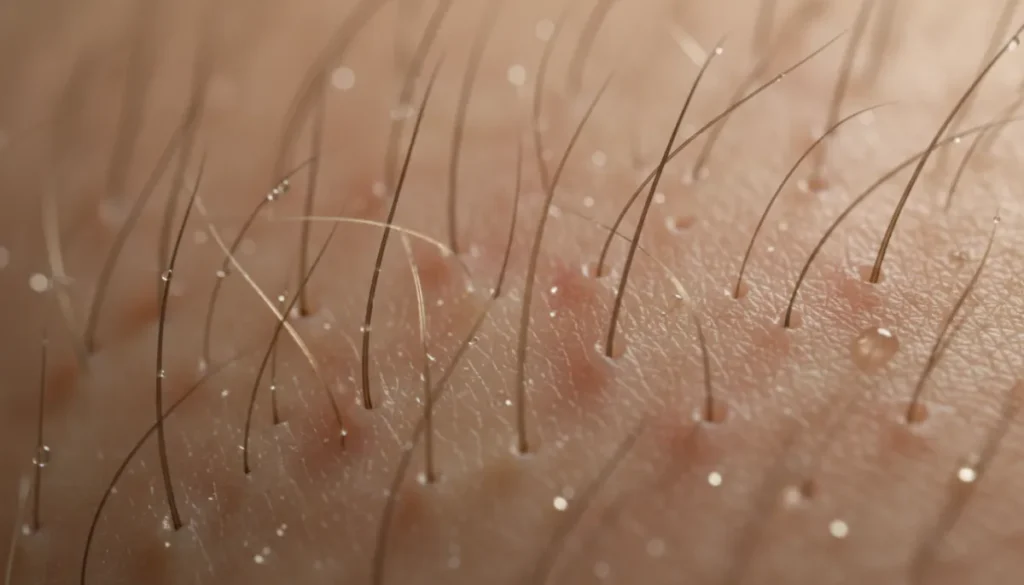
Advances in the Latest Hair Fall Treatment Options
Recent years have seen a surge in innovative therapies that go beyond the classic topical minoxidil and oral finasteride. Below is a comparison of the most promising options currently available.
| Treatment | Mechanism | Typical Use | Key Benefits |
|---|---|---|---|
| Platelet‑Rich Plasma (PRP) Therapy | Injects concentrated growth factors to stimulate follicle activity | Men & women with early‑stage thinning | Minimally invasive, natural autologous solution |
| Low‑Level Laser Therapy (LLLT) | Red light wavelengths improve cellular metabolism in follicles | Daily home devices or in‑clinic caps | Non‑pharmaceutical, painless, can be combined with other treatments |
| Clascoterone Topical Cream | Blocks androgen receptors locally on the scalp | Targeted for women with hormonal hair loss | Reduced systemic side effects compared to oral anti‑androgens |
| Hair Growth Peptide Serums | Contains bio‑active peptides that extend the anagen phase | Supplement to existing regimen | Easy application, suitable for sensitive skin |
In addition to these, the rise of best hair growth products formulated with ingredients like caffeine, biotin, and saw‑tooth oak extract offers a supportive role. While none of these solutions act as a miracle cure on their own, when combined strategically they can significantly improve hair density and resilience.
How to Choose the Right Treatment for Your Needs
Selecting the appropriate hair loss treatment involves evaluating efficacy, safety, cost, and personal commitment. Below is a step‑by‑step guide to help you decide.
- Identify your hair loss pattern. Is it receding at the temples, diffuse thinning, or a bald spot? This determines whether a hair transplant or medical therapy is more suitable.
- Consult a specialist. A dermatologist or trichologist can perform a scalp examination and recommend a tailored plan, possibly including a hair‑pull test or trichoscopy.
- Assess treatment goals. Are you looking for rapid regrowth, long‑term maintenance, or a cosmetic cover‑up? Your goal will influence whether you prioritize oral medication, topical serums, or procedural interventions.
- Consider side‑effect profiles. For example, finasteride may cause sexual side effects in some men, while clascoterone offers a topical alternative with fewer systemic risks.
- Evaluate cost and frequency. PRP sessions typically require 3‑4 treatments spaced a month apart, whereas minoxidil is a daily commitment.
Remember that many patients achieve the best results by combining therapies—such as using a hair growth supplement alongside PRP and a low‑level laser device. Consistency and realistic expectations are key.
Supporting Hair Health with Lifestyle and Supplements
Even the most advanced latest hair fall treatment works best when paired with a supportive lifestyle. Nutrition, stress management, and proper scalp care form the foundation of sustainable hair growth.
Key nutrients that have been linked to stronger hair include:
- Biotin (Vitamin B7) – supports keratin production
- Vitamin D – essential for follicle cycling
- Zinc – helps regulate hormone levels
- Iron – prevents anemia‑related thinning
Consider incorporating a best hair growth supplement that combines these vitamins with herbal extracts such as saw‑tooth oak and pumpkin seed oil. Additionally, habits like limiting heat styling, using sulfate‑free shampoos, and protecting the scalp from UV exposure can reduce breakage and inflammation.
Stress reduction techniques—mindfulness meditation, regular exercise, and adequate sleep—also play a crucial role. Chronic cortisol elevation can push hair follicles into the resting phase, accelerating shedding.
Frequently Overlooked Factors and Common Myths
Many people fall prey to misconceptions that can hinder progress. Let’s debunk a few prevalent myths:
- Myth: Shaving the head makes hair grow back thicker.
Fact: Shaving only affects the shaft; it does not alter follicle size or density. - Myth: All hair loss is irreversible.
Fact: Early‑stage androgenetic alopecia often responds well to medical therapy and lifestyle changes. - Myth: Over‑the‑counter products are enough for severe baldness.
Fact: Advanced thinning may require procedural interventions such as a hair transplant or PRP.
Another often ignored factor is scalp microbiome health. An overgrowth of Malassezia yeast can exacerbate inflammation, leading to increased shedding. Using anti‑fungal shampoos or incorporating probiotic‑rich foods can help restore balance.
Finally, patience is essential. Hair follicles operate on a 2‑6‑month growth cycle; visible results from most treatments typically appear after 3‑4 months of consistent use.
Why Choose Gold City Medical Center
Gold City Medical Center combines cutting‑edge technology with a personalized, integrative approach to hair restoration. Our team of board‑certified dermatologists and trichologists evaluates each patient individually, ensuring that the chosen hair fall treatment aligns with medical history, lifestyle, and aesthetic goals. With state‑of‑the‑art facilities for PRP, low‑level laser therapy, and advanced hair transplant techniques, we deliver safe, effective results backed by scientific research.
Beyond procedures, we provide comprehensive after‑care programs that include nutritional counseling, premium hair growth products, and ongoing monitoring to sustain long‑term success. Trust Gold City Medical Center to guide you on a transparent, evidence‑based journey toward fuller, healthier hair.
Ready to take the first step toward revitalized hair? Contact Gold City Medical Center today to schedule a personalized consultation and discover the most effective latest hair fall treatment for you.
Call us or fill out our online form—our experts are eager to help you achieve lasting results.
FAQ
What are the most effective latest hair fall treatments?
Current top treatments include PRP therapy, low‑level laser therapy, clascoterone topical cream, peptide serums, and advanced hair transplant techniques.
How does PRP therapy help with hair loss?
PRP therapy delivers concentrated platelets that release growth factors, encouraging dormant hair follicles to re‑enter the growth cycle.
What is low‑level laser therapy and who can use it?
Low‑level laser therapy (LLLT) uses red light wavelengths to boost follicle metabolism and is suitable for early‑stage thinning in both men and women.
Are there topical options for women with hormonal hair loss?
Yes, clascoterone topical cream is designed to block androgen receptors on the scalp, offering a hormone‑targeted solution with minimal systemic exposure.
How can lifestyle and supplements support hair growth?
A balanced diet rich in biotin, vitamin D, zinc, and iron, along with stress management and proper scalp care, can enhance the effectiveness of medical treatments.
What should I consider when choosing a hair loss treatment?
Consider the cause of loss, treatment efficacy, safety profile, cost, frequency, and your personal commitment level.





