When you search for hair transplant surgery pictures, you want clear evidence of what the procedure can achieve. At Gold City Medical Center we understand that visual proof is essential for anyone considering hair restoration. This article walks you through the most common types of images you’ll encounter, explains how to read them, and highlights what makes a successful outcome look natural.
Modern hair transplantation has evolved dramatically over the past decade. Today, clinics capture high‑resolution before and after photographs that showcase everything from subtle hairline refinement to full‑crown restoration. According to recent industry data, over 70 % of prospective patients say that visual results are the deciding factor in choosing a clinic.
In the sections that follow, we will explore the different transplant techniques, how to interpret the photos, the role of Turkish clinics in the global market, post‑operative care, and the real value behind the images you see online. By the end, you’ll be equipped to evaluate any set of pictures with confidence and know what to expect from your own journey.
Understanding Hair Transplant Techniques
There are two primary methods used in modern hair restoration: Follicular Unit Extraction (FUE) and Follicular Unit Transplantation (FUT). Each technique produces distinct visual patterns in hair transplant surgery pictures, and recognizing these can help you set realistic expectations.
Follicular Unit Extraction (FUE)
FUE involves harvesting individual follicular units directly from the donor area, usually the back of the scalp. The result is a series of tiny, dot‑like scars that are often invisible without close inspection. In pictures, FUE cases typically show a smooth donor zone and a natural‑looking graft distribution.
- Minimal linear scarring
- Higher flexibility in graft placement
- Ideal for patients who prefer short hairstyles
Follicular Unit Transplantation (FUT)
FUT, also known as the strip method, removes a thin strip of scalp from the donor area. The strip is then dissected into individual grafts. Photographs of FUT procedures often display a linear scar that can be concealed under longer hair, but the graft density may be higher.
| Feature | FUE | FUT |
|---|---|---|
| Scarring | Dot‑like, scattered | Linear |
| Graft Yield | Typically 1,500‑2,500 per session | Up to 3,500 per session |
| Recovery Time | 3‑5 days | 7‑10 days |
Both methods can produce impressive hairline transplant results, but the choice often depends on the patient’s hair type, scalp laxity, and personal preferences. When reviewing hair transplant surgery pictures, look for a consistent hair direction, natural density, and minimal visible scarring.
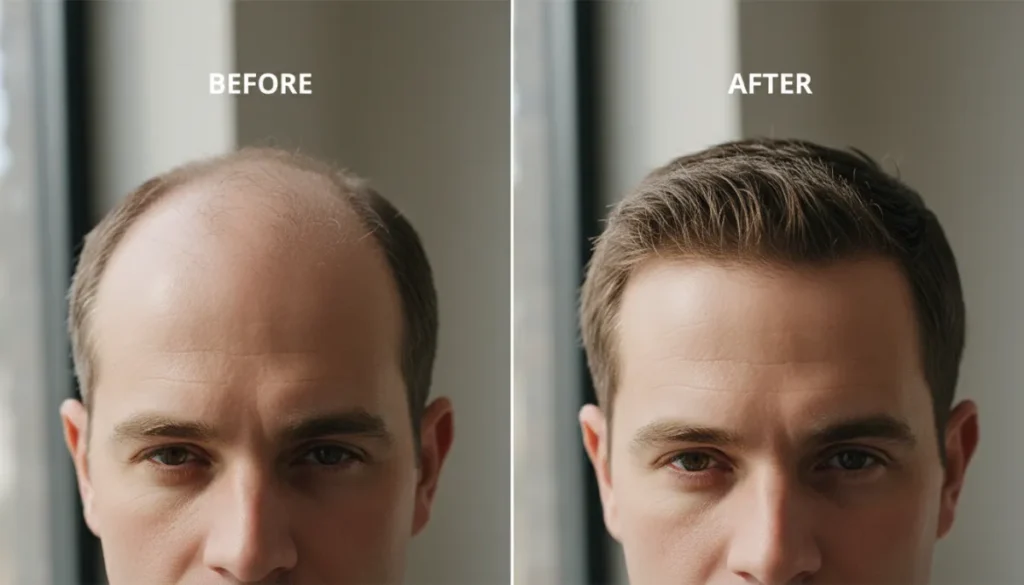
What to Expect from Before and After Photos
Seeing hair transplant surgery pictures can be both inspiring and confusing. Not every photo tells the whole story, and understanding the context is crucial for interpreting the results correctly.
Key Elements in a Reliable Photo Set
- Standardized Angles: Look for images taken from the same angle and distance before and after the procedure.
- Lighting Consistency: Even lighting reduces shadows that can exaggerate or hide hair density.
- Timeframe: True results are usually visible after 12‑18 months; early photos may show swelling or initial shedding.
- Scalp Visibility: Clear views of the donor and recipient areas help assess graft placement.
Common Visual Patterns
In hair transplant before and after pictures, you’ll often notice a gradual increase in hair density from the crown outward. A well‑executed hair graft placement respects the natural hair growth angle, creating a seamless transition between native and transplanted hair.
| Stage | Typical Appearance | Time After Surgery |
|---|---|---|
| Immediate Post‑Op | Swollen scalp, visible grafts | 1‑2 weeks |
| Shedding Phase | Transplanted hairs fall out | 2‑4 weeks |
| Early Growth | Fine new hairs appear | 3‑6 months |
| Full Maturation | Thick, natural‑looking hair | 12‑18 months |
When you encounter hair transplant before after pictures that claim dramatic results within a few weeks, treat them with caution. Authentic clinics, such as Gold City Medical Center, provide longitudinal photo series that document progress over the full healing period.
Choosing the Right Clinic: The Role of Turkish Hair Transplant Centers
Turkey has become a global hub for hair restoration, and many patients travel to Istanbul for affordable yet high‑quality procedures. Understanding the landscape helps you evaluate turkish hair transplant images and decide if a clinic meets international standards.
Why Istanbul Attracts Patients
- Experienced surgeons with high case volumes
- State‑of‑the‑art facilities
- Competitive pricing, often 40‑60 % lower than Western Europe
Popular search terms such as fue hair transplant turkey and hair transplant turkey before and after generate a flood of images. While many showcase excellent outcomes, some may be edited or taken under ideal conditions that are not representative of everyday results.
Evaluating Turkish Clinic Photos
Look for the same quality markers described earlier—standardized angles, consistent lighting, and long‑term follow‑up. Clinics that provide a complete before and after hair transplant series, including 12‑month photos, demonstrate transparency.
| Factor | What to Look For | Why It Matters |
|---|---|---|
| Surgeon Credentials | Board certification, years of experience | Ensures expertise and safety |
| Facility Accreditation | ISO, JCI, or local health authority approval | Guarantees hygiene and standards |
| Patient Reviews | Independent testimonials, not just on the website | Provides real‑world satisfaction data |
Gold City Medical Center collaborates with leading Turkish surgeons to bring the best practices to the Netherlands, ensuring that every hairline restoration image you see reflects genuine, lasting results.
Caring for Your Transplanted Hair: Post‑Op Guidance
Even the most striking hair transplant surgery pictures are the result of diligent after‑care. Proper post‑operative management maximizes graft survival and ensures the final images match the expectations set during the consultation.
Immediate Post‑Procedure Care
- Gentle Washing: Use a mild shampoo after 48 hours, avoiding direct pressure on grafts.
- Medication: Follow prescribed anti‑inflammatory and antibiotic regimens.
- Activity Restrictions: Avoid strenuous exercise and heavy lifting for the first week.
Long‑Term Maintenance
After the initial healing phase, focus shifts to supporting natural hair growth. Nutritional supplements, scalp massage, and occasional low‑level laser therapy can enhance graft vitality. Patients who receive hair implants for men or hair implants for receding hairline often report better density when they maintain a healthy lifestyle.
| Time Frame | Recommended Actions | Goal |
|---|---|---|
| 0‑2 Weeks | Gentle washing, avoid sun exposure | Prevent infection, protect grafts |
| 2‑6 Weeks | Light scalp massage, continue meds | Promote blood flow |
| 3‑12 Months | Balanced diet, consider PRP therapy | Enhance hair thickness |
| 12+ Months | Regular check‑ups, maintain scalp hygiene | Preserve long‑term results |
Adhering to these guidelines helps ensure that the final set of hair transplant results you see in your own photos are as natural and full as the professional images presented by reputable clinics.
Cost and Value: Interpreting Results vs. Investment
While browsing hair transplant surgery pictures, many prospective patients wonder how the visual outcomes relate to the financial investment. Understanding the cost structure helps you assess whether the results you see are worth the price.
Factors Influencing Price
- Number of grafts required (higher density = higher cost)
- Technique used (FUE generally costs more than FUT)
- Geographic location of the clinic (Turkey vs. Western Europe)
- Surgeon’s experience and reputation
Typical price ranges for a full‑crown restoration in the Netherlands span €3,500‑€7,500, whereas Turkish clinics may offer comparable graft counts for €1,800‑€3,500. However, lower price does not automatically mean lower quality; it often reflects differences in overhead and labor costs.
Evaluating Value Through Images
High‑quality hair transplant before and after pictures serve as a visual ROI calculator. Look for:
- Consistent hairline shape that matches the patient’s facial features.
- Natural density without obvious “plug” patterns.
- Long‑term stability demonstrated in 12‑month photos.
Clinics that provide transparent pricing alongside comprehensive photo documentation, such as Gold City Medical Center, enable you to weigh the visual benefits against the monetary outlay confidently.
Why Choose Gold City Medical Center
Gold City Medical Center combines advanced medical expertise with a personalized, integrative approach to hair restoration. Our team of certified surgeons utilizes both FUE and FUT techniques, ensuring each patient receives a treatment plan tailored to their unique hair pattern and lifestyle. We provide authentic hair transplant surgery pictures that document every stage of recovery, offering full transparency and confidence in the results.
Located in the heart of the Netherlands, our center also collaborates with leading Turkish specialists, giving you access to world‑class technology without the need to travel abroad. Choose Gold City Medical Center for a trusted partner dedicated to delivering natural‑looking, lasting hair growth.
Ready to see your own transformation? Contact Gold City Medical Center today to schedule a confidential consultation and receive a personalized treatment plan backed by real results.
Take the first step toward a fuller, more confident you—call now or fill out our online request form.
FAQ
What do hair transplant surgery pictures typically show?
They display before‑and‑after views of the donor and recipient areas, highlighting graft placement, hair density, and scarring.
How can I tell the difference between FUE and FUT in photos?
FUE images show scattered dot‑like scars, while FUT images reveal a single linear scar that may be hidden by longer hair.
What should I look for in reliable before and after hair transplant photos?
Standardized angles, consistent lighting, proper timeframes (12‑18 months), and clear views of both donor and recipient areas.
Are Turkish hair transplant clinics trustworthy for international patients?
Many Turkish clinics offer high‑quality care, but patients should verify surgeon credentials, facility accreditation, and long‑term photo documentation.
What post‑operative care is essential to achieve the best hair transplant results?
Gentle washing, medication adherence, avoiding strenuous activity, and long‑term scalp health practices are key.
How long does it typically take to see the final results in hair transplant photos?
Full, mature results are usually visible 12‑18 months after the procedure.





