Learning how to improve liver function is essential for overall wellness because the liver plays a central role in detoxifying the body, metabolizing nutrients, and regulating blood chemistry. Many people experience subtle signs of liver stress without realizing it, and early intervention can prevent serious conditions such as fatty liver disease or fibrosis. In fact, studies show that up to 25% of adults have some degree of liver impairment, often linked to poor diet, alcohol use, or environmental toxins.
This article explains the science behind liver performance, outlines practical lifestyle adjustments, reviews effective natural supplements, and clarifies when professional medical care is necessary. Whether you’re looking to enhance daily energy, support a detox program, or manage existing liver concerns, the guidance here aligns with integrative health principles practiced at Gold City Medical Center.
By the end of reading, you’ll have a clear, step‑by‑step plan to nurture your liver, reduce inflammation, and maintain optimal function for years to come.
Understanding Liver Function and Common Issues
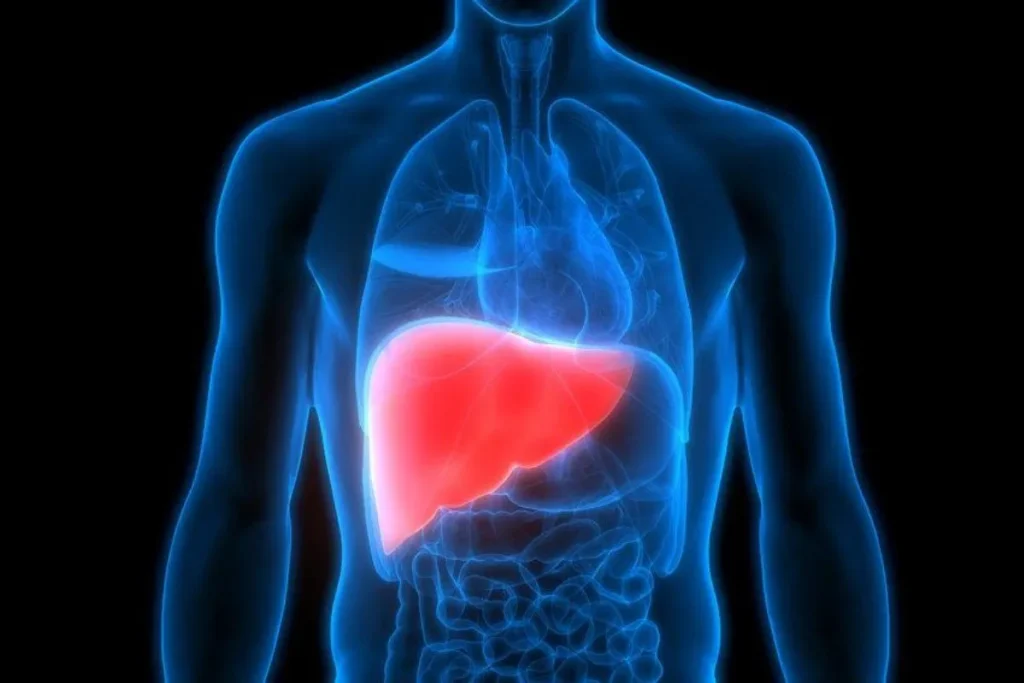
The liver is the body’s primary detox organ, responsible for filtering blood, producing bile, storing glycogen, and synthesizing essential proteins. When these processes falter, you may notice liver disease symptoms such as fatigue, abdominal discomfort, jaundice, or unexplained weight loss. Recognizing early signs—often referred to as signs of liver damage—is crucial for timely intervention.
Key functions of a healthy liver include:
- Metabolizing carbohydrates, fats, and proteins.
- Detoxifying chemicals, drugs, and metabolic waste.
- Producing clotting factors and cholesterol.
- Regulating blood glucose levels.
Below is a quick comparison of normal versus impaired liver performance:
| Parameter | Normal Function | Impaired Function |
|---|---|---|
| Bile Production | Efficient digestion of fats | Fatty stools, malabsorption |
| Blood Detox | Clearance of toxins | Elevated bilirubin, jaundice |
| Protein Synthesis | Normal clotting, albumin levels | Bruising, edema |
| Glucose Regulation | Stable blood sugar | Hypoglycemia episodes |
Understanding these functions helps you interpret lab results and recognize why lifestyle choices matter. For instance, a persistent “fatty liver diet” deficiency can accelerate steatosis, while regular physical activity supports hepatic metabolism.
Lifestyle Changes to Support Liver Health
Adopting daily habits that reduce toxin exposure and supply essential nutrients is a cornerstone of how to improve liver function. Below are evidence‑based recommendations that fit easily into a busy schedule.
Dietary Strategies
- Fatty liver diet: Emphasize leafy greens, cruciferous vegetables, whole grains, and lean proteins. Limit saturated fats, refined sugars, and processed foods.
- Incorporate antioxidant‑rich foods such as berries, garlic, and turmeric to combat oxidative stress.
- Stay hydrated; water assists the kidneys and liver in flushing metabolites.
Alcohol and Substance Moderation
Excessive alcohol is a leading cause of liver injury. Reducing intake to moderate levels (up to one drink per day for women, two for men) can markedly improve enzyme levels. Avoid illicit drugs and limit over‑the‑counter medication use, especially acetaminophen, which can strain hepatic pathways.
Physical Activity
Regular aerobic exercise (150 minutes per week) enhances insulin sensitivity and promotes fat oxidation, directly benefiting liver fat content. Even short daily walks contribute to better circulation and metabolic balance.
Combining these lifestyle tweaks creates a synergistic effect, often more powerful than isolated interventions.
Effective Natural Supplements and Their Dosage
While diet forms the foundation, certain botanicals have demonstrated potential to enhance hepatic resilience. Understanding dose for your liver is essential to maximize benefits and avoid side effects.
Milk Thistle (Silymarin)
One of the most researched liver herbs, milk thistle contains silymarin, which may protect liver cells from toxin‑induced damage. Typical studies use 150‑300 mg of standardized extract two to three times daily. Users often report improved energy and reduced abdominal discomfort.
Other Helpful Botanicals
| Supplement | Typical Daily Dose | Key Benefits |
|---|---|---|
| Dandelion Root | 500 mg extract | Supports bile flow, mild diuretic |
| Artichoke Leaf | 300 mg extract | Enhances cholesterol metabolism |
| Turmeric (Curcumin) | 400‑600 mg with black pepper | Anti‑inflammatory, antioxidant |
When selecting supplements, choose products that state “standardized to 80% silymarin” for milk thistle, and verify third‑party testing. Always discuss supplement plans with a healthcare professional, especially if you are on prescription medication.
These natural agents complement, but do not replace, a balanced fatty liver diet and lifestyle changes aimed at improving liver function.
Medical Interventions and When to Seek Professional Help
Even with optimal lifestyle and supplements, some individuals develop progressive liver conditions that require clinical management. Recognizing when to consult a specialist is a vital part of how to improve liver function responsibly.
Key Warning Signs
- Persistent jaundice or yellowing of the skin.
- Unexplained swelling in the abdomen or legs.
- Severe fatigue combined with mental confusion.
- Elevated liver enzymes (ALT, AST) on routine blood work.
If any of these symptoms appear, schedule a comprehensive evaluation. Physicians may order imaging (ultrasound, MRI) and liver function tests to assess the extent of damage.
Available Treatments
For conditions such as non‑alcoholic fatty liver disease (NAFLD) or early fibrosis, doctors often recommend a combination of weight loss programs, structured exercise, and targeted medication (e.g., pioglitazone). In more advanced cases, antiviral therapy (for hepatitis B/C) or liver transplantation may be considered.
Gold City Medical Center offers integrative assessments that combine conventional diagnostics with personalized nutrition and lifestyle counseling, ensuring a holistic approach to hepatic health.
Everyday Habits to Maintain Long‑Term Liver Function
Long‑term liver health hinges on consistent, small actions that reinforce the benefits of diet, exercise, and supplementation. Below are practical habits to embed into daily life.
Hydration and Fiber
- Drink at least 2 liters of water daily to aid toxin elimination.
- Consume soluble fiber (oats, psyllium) to bind bile acids and reduce liver strain.
Environmental Toxin Reduction
Minimize exposure to chemicals found in household cleaners, pesticides, and certain cosmetics. Opt for natural alternatives whenever possible.
Regular Monitoring
Even if you feel well, schedule annual liver function panels, especially if you have risk factors such as obesity, diabetes, or a family history of liver disease. Early detection allows for timely lifestyle adjustments.
By integrating these habits, you create a resilient hepatic environment that supports overall vitality and helps you maintain the improvements achieved through earlier interventions.
Why Choose Gold City Medical Center
Gold City Medical Center combines evidence‑based medicine with holistic care, offering personalized programs that address liver health from every angle. Our team of experienced physicians, nutritionists, and wellness specialists creates tailored plans that incorporate diet, lifestyle coaching, and safe supplement guidance. With state‑of‑the‑art diagnostic tools and a patient‑centered approach, we help you achieve lasting liver function improvement and overall well‑being.
Ready to take control of your liver health? Contact Gold City Medical Center today to schedule a comprehensive liver assessment and start your personalized improvement plan.
Experience professional care that integrates modern medicine with natural wellness—your liver will thank you.
FAQ
What are the early signs of liver damage?
Early signs include fatigue, abdominal discomfort, jaundice, unexplained weight loss, and occasional bruising.
How does the fatty liver diet improve liver health?
A fatty liver diet emphasizes leafy greens, whole grains, lean protein, and limits saturated fats and refined sugars to reduce liver fat accumulation.
Which natural supplements are most effective for liver support?
Milk thistle, dandelion root, artichoke leaf, and turmeric (curcumin) are among the most studied herbs for liver health.
How much milk thistle should I take daily for liver health?
A common regimen is 150‑300 mg of standardized silymarin extract taken two to three times per day.
When should I see a doctor for liver problems?
Seek medical attention if you experience persistent jaundice, swelling, severe fatigue, confusion, or elevated liver enzymes on blood tests.
How does regular exercise affect liver function?
Regular aerobic exercise improves insulin sensitivity, promotes fat oxidation, and reduces liver fat, supporting overall hepatic health.





