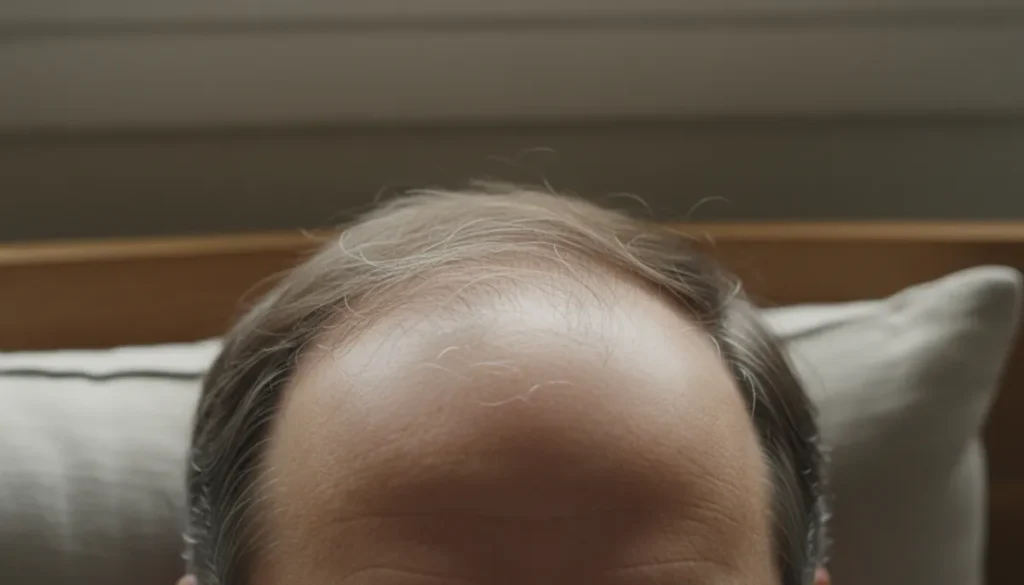
Many people notice a thinning patch at the sides of their scalp, often referred to as balding temples. This specific pattern of hair loss can be unsettling, especially when it appears early in adulthood. Understanding the underlying reasons, recognizing early indicators, and exploring proven solutions are essential steps toward regaining a fuller hairline. In fact, studies show that up to 40 % of men experience noticeable temple recession by age 35, while a growing number of women report similar concerns.
In this article we will explore the anatomy of temple hair loss, identify the most common triggers, and outline both medical and lifestyle‑based strategies to halt or reverse the process. Whether you are dealing with a subtle recession or a more pronounced bald spot, the information provided will help you make informed decisions about your next steps.
We will also highlight how Gold City Medical Center integrates advanced hair restoration techniques with personalized care, ensuring that each patient receives a treatment plan tailored to their unique pattern of hair loss.
What Causes Balding at the Temples?
The temples are a vulnerable area for hair thinning because they contain fine, short‑lasting follicles that are highly sensitive to hormonal and environmental influences. Several key factors contribute to the development of temple hair loss:
- Androgenic alopecia – often called male or female pattern baldness, driven by dihydrotestosterone (DHT) affecting follicle mini‑growth.
- Genetic predisposition – a family history of receding hairline or frontal baldness increases risk.
- Hormonal fluctuations – especially in women, changes during menopause or thyroid disorders can accelerate temple recession.
- Stress and inflammation – chronic stress releases cortisol, which can impair the scalp’s blood supply.
- Nutrition deficiencies – lack of iron, zinc, or biotin may weaken hair shafts.
- Mechanical trauma – tight hairstyles or frequent pulling can damage follicles at the temples.
Understanding whether your hair loss is primarily androgen‑driven, stress‑related, or a combination of both guides the choice of treatment. Below is a quick comparison of typical patterns observed in men and women.
| Factor | Men | Women |
|---|---|---|
| Primary cause | Androgenic alopecia (DHT) | Hormonal shifts & genetics |
| Typical pattern | Triangular recession at temples | Diffuse thinning, often at temples and crown |
| Age of onset | Late teens to early 30s | 30s to 50s |
Early Signs and How to Diagnose Temple Hair Loss
Detecting temple recession early gives you a better chance to intervene before the bald spot expands. Look for these subtle clues:
- A visible widening of the hairline at the front‑side corners.
- Increased scalp visibility when parting hair.
- Noticeable change in hair density when the hair is wet.
- Itching or tingling sensations on the scalp, which may signal inflammation.
Self‑assessment can be supplemented with a professional scalp examination. Dermatologists use tools such as dermoscopy to evaluate follicle health and may order blood tests to rule out thyroid or iron deficiencies. Scalp therapy for hair loss, including low‑level laser therapy (LLLT), can also be used diagnostically to gauge responsiveness.
Below is a simple checklist you can use at home to determine if a visit to a specialist is warranted.
| Checklist Item | Yes | No |
|---|---|---|
| Hairline appears wider at one or both temples | ✔ | ✘ |
| Scalp is visible when hair is pulled back | ✔ | ✘ |
| Family history of receding hairline or frontal baldness | ✔ | ✘ |
| Experiencing high stress or recent hormonal changes | ✔ | ✘ |
Effective Treatment Options for Balding Temples
When it comes to restoring temple density, a combination of medical, surgical, and supportive therapies often yields the best results. Below are the most widely endorsed options:
Topical Minoxidil (Rogaine)
Minoxidil is a vasodilator that prolongs the anagen (growth) phase of hair follicles. Applied twice daily, it can stimulate new growth in early‑stage temple recession. Studies report up to a 30 % increase in hair count after six months of consistent use.
Finasteride (Propecia) – Oral Medication
Finasteride inhibits the conversion of testosterone to DHT, directly addressing the hormonal driver of androgenic alopecia. It is most effective for men, with measurable improvements in temple thickness within three to four months.
Platelet‑Rich Plasma (PRP) Therapy
PRP involves injecting concentrated platelets from your own blood into the scalp, delivering growth factors that rejuvenate dormant follicles. Multiple sessions are typically required, and results can be seen as early as eight weeks.
Hair Transplant Surgery
Follicular unit extraction (FUE) or strip harvesting can relocate healthy donor follicles to the temples, providing a permanent solution. Gold City Medical Center employs state‑of‑the‑art techniques to ensure natural‑looking density.
Scalp Microneedling
Microneedling creates micro‑injuries that trigger collagen production and improve the absorption of topical agents like minoxidil. When combined with growth‑factor serums, it can accelerate hair regrowth.
Below is a quick reference comparing these treatments on key factors such as cost, invasiveness, and expected timeline.
| Treatment | Cost (EUR) | Invasiveness | Typical Results Timeline |
|---|---|---|---|
| Minoxidil | 30–60 per month | Non‑invasive | 3–6 months |
| Finasteride | 20–40 per month | Non‑invasive (oral) | 4–12 months |
| PRP Therapy | 300–600 per session | Minimally invasive | 2–4 months |
| Hair Transplant (FUE) | 3,000–8,000 per session | Surgical | 6–12 months |
| Microneedling | 80–150 per session | Minimally invasive | 2–3 months |
Lifestyle Changes and Preventive Measures
Medical interventions work best when supported by healthy habits that nurture scalp health. Consider incorporating the following practices into your routine:
- Balanced nutrition – Prioritize protein, omega‑3 fatty acids, iron, and vitamins A, C, D, and E.
- Stress management – Techniques such as meditation, yoga, or regular exercise lower cortisol levels.
- Avoid harsh styling – Limit heat tools and tight hairstyles that pull on temple hair.
- Gentle cleansing – Use sulfate‑free shampoos and avoid excessive washing, which can strip natural oils.
- Scalp massage – Improves blood circulation and may enhance follicle activity.
These preventive steps not only slow further recession but also create an optimal environment for any treatment you may pursue. Consistency is key; even small daily actions accumulate into noticeable improvements over time.
Why Choose Gold City Medical Center
Gold City Medical Center combines cutting‑edge hair restoration technology with a personalized, integrative approach. Our team of board‑certified dermatologists and hair‑transplant surgeons evaluates each case of balding temples individually, ensuring that treatment plans address both the underlying cause and the aesthetic goal. With a reputation for meticulous FUE procedures, advanced PRP protocols, and comprehensive follow‑up care, we help patients achieve natural‑looking results while maintaining overall scalp health.
Ready to restore confidence in your hairline? Contact Gold City Medical Center today to schedule a confidential consultation and discover the most effective solution for your balding temples.
FAQ
What causes balding at the temples?
Balding temples are mainly caused by androgenic alopecia, hormonal changes, stress, nutritional deficiencies, genetics, and mechanical trauma.
How can I tell if I have temple hair loss?
Look for a widening hairline at the temples, increased scalp visibility, thinning when hair is wet, and any itching or tingling sensations.
What are the most effective treatments for balding temples?
Effective options include topical minoxidil, oral finasteride, PRP therapy, hair transplant surgery, and scalp microneedling, often combined with lifestyle changes.
Is minoxidil effective for temple hair loss?
Yes, minoxidil can stimulate new growth in early‑stage temple recession when used consistently twice daily.
What is PRP therapy and how does it help balding temples?
PRP therapy injects concentrated platelets from your own blood into the scalp, delivering growth factors that reactivate dormant follicles.
Can lifestyle changes prevent temple hair loss?
Yes, balanced nutrition, stress management, gentle hair care, and scalp massage can slow or prevent further temple recession.





