If you’re looking for a reliable regrow hair serum, you’re in the right place. This guide explains how these products work, what ingredients to look for, and how to maximise results while maintaining overall scalp health. Hair thinning and loss affect millions worldwide, and many turn to topical solutions as a non‑invasive first step before considering more advanced procedures.
Recent studies suggest that up to 70% of adults experience noticeable hair shedding at some point, yet only a fraction seek professional advice. Understanding the science behind hair regrowth can empower you to make informed choices and avoid ineffective or potentially harmful products.
In the following sections, we’ll explore the mechanisms of hair‑growth serums, compare key ingredients, provide practical application tips, and outline lifestyle habits that support thicker, healthier hair. Whether you are a man dealing with early thinning or a woman concerned about hormonal hair loss, the information here is tailored to help you decide if a regrow hair serum fits into your broader hair‑restoration plan.
How Hair Regrowth Serums Work
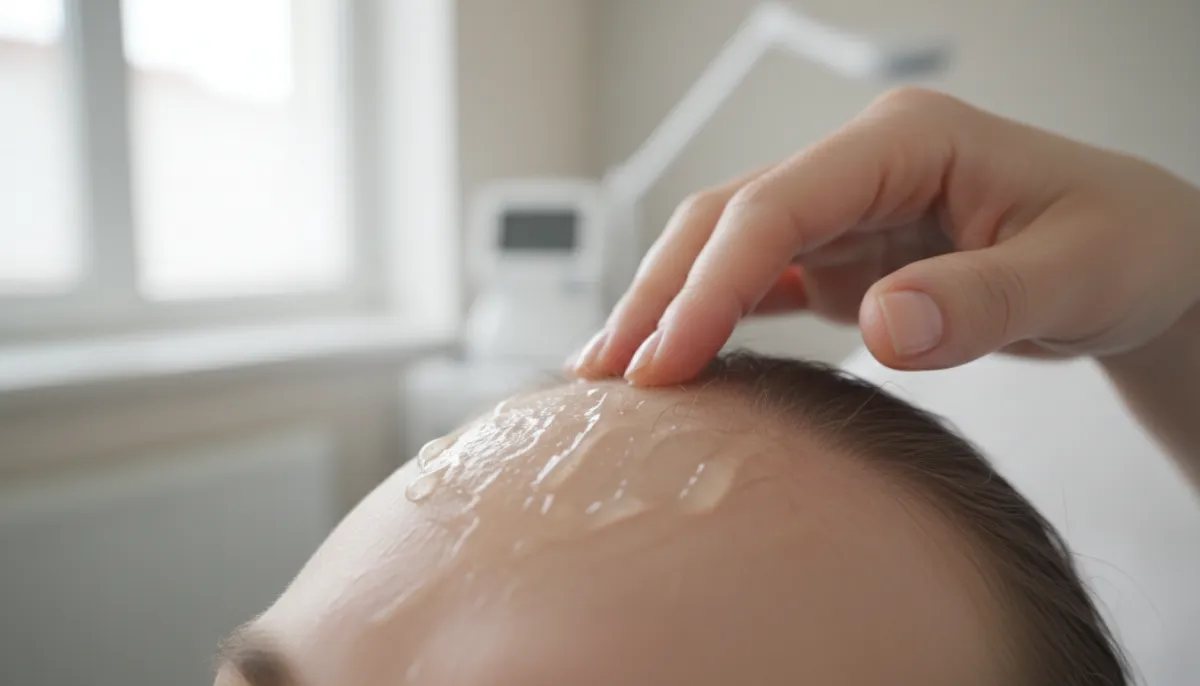
Hair regrowth serums are formulated to deliver active compounds directly to the hair follicles, stimulating the natural growth cycle. Unlike oral supplements, topical serums bypass the digestive system, allowing higher concentrations of ingredients to reach the follicular environment where they can influence the anagen (growth) phase.
Most serums work by:
- Increasing blood flow to the scalp, which supplies nutrients and oxygen to follicle cells.
- Activating signaling pathways such as Wnt/β‑catenin that are critical for hair‑shaft production.
- Reducing inflammation that can impair follicle function.
- Providing essential nutrients like biotin, keratin, and peptides that reinforce the structural integrity of emerging hair.
These mechanisms align with broader hair loss treatment strategies, but the targeted delivery of a serum often yields quicker visible results compared with oral hair growth products. Clinical trials of certain peptide‑based serums have reported a 15‑25% increase in hair count after 12 weeks of consistent use.
Key Ingredients That Promote Hair Growth
Choosing an effective serum starts with understanding the active components that drive results. Below is a comparison of the most researched ingredients found in high‑quality hair growth serums.
| Ingredient | Primary Benefit | Typical Concentration |
|---|---|---|
| Biotin (Vitamin B7) | Strengthens keratin structure, reduces breakage | 0.5–2% |
| Caffeine | Improves scalp circulation, prolongs anagen phase | 0.5–1% |
| Niacinamide (Vitamin B3) | Enhances micro‑vascular function, supports follicle health | 1–4% |
| Peptide Complexes (e.g., copper peptides) | Stimulates cellular proliferation, increases follicle size | 0.1–0.5% |
| Plant Extracts (e.g., saw palmetto, rosemary) | Provides antioxidant protection, may block DHT | 0.5–3% |
When evaluating a product, look for clear labeling of these ingredients and their percentages. Many hair growth products combine multiple actives to create a synergistic effect, but the most effective serums often feature a peptide complex as the centerpiece, supported by vitamins and botanical extracts.
In addition to the ingredients listed, some serums include growth factors derived from human or plant cells. While promising, these advanced formulations are typically found in clinical settings rather than over‑the‑counter options.
Choosing the Right Serum for Your Needs
Selecting a product that matches your specific hair‑loss pattern is crucial. Consider the following factors before purchasing a regrow hair serum:
- Hair loss type: Male‑pattern baldness, female‑pattern thinning, or diffuse shedding each respond differently to certain actives.
- Scalp condition: Oily, dry, or sensitive scalps may require tailored formulations (e.g., oil‑free bases for oily skin).
- Ingredient sensitivities: Allergic reactions to fragrances or certain botanical extracts are common; opt for fragrance‑free options if you have a history of irritation.
- Desired speed of results: Peptide‑rich serums often show visible changes within 8–12 weeks, whereas vitamin‑only formulas may take longer.
Below is a brief comparison of three popular categories of hair growth serums, illustrating how they align with common consumer needs.
| Category | Ideal For | Key Strength | Typical Price (USD) |
|---|---|---|---|
| Peptide‑Focused | Early‑stage thinning, both genders | Fast follicle activation | $45–$80 |
| Vitamin‑Based | Fragile or breakage‑prone hair | Strengthens existing strands | $30–$55 |
| Botanical Blend | Sensitive scalps, natural‑product seekers | Anti‑inflammatory, DHT‑blocking | $40–$70 |
Remember that the “best hair growth serum” for one person may not suit another. Consult a specialist if you’re uncertain which ingredient profile aligns with your hair‑loss diagnosis.
Proper Application and Expected Results
Consistent use is the cornerstone of any successful hair‑restoration routine. Follow these steps to maximise the efficacy of your regrow hair serum:
- Prepare the scalp: Wash with a mild shampoo and dry gently. A clean surface ensures optimal absorption.
- Measure the dose: Use the dropper or pump provided; typically 2–3 drops per affected area.
- Apply evenly: Distribute the serum in a circular motion, focusing on thinning zones while avoiding excess on healthy hair.
- Massage lightly: A 30‑second scalp massage promotes circulation and helps the product penetrate deeper.
- Allow absorption: Wait 5–10 minutes before styling or applying other products.
Most manufacturers recommend daily use for the first three months, followed by a maintenance schedule of 3–4 times per week. While individual results vary, clinical evidence shows that consistent application can lead to a 10–30% increase in hair density after 6 months.
It’s important to set realistic expectations: a serum can stimulate new growth and improve existing strand thickness, but it will not recreate hair lost to extensive scarring. For advanced cases, combining a serum with professional hair‑transplant procedures may provide the most comprehensive outcome.
Complementary Lifestyle Tips for Maximum Hair Restoration
Topical treatment works best when paired with healthy habits that support the body’s natural hair‑building processes. Consider incorporating the following into your daily routine:
- Balanced Nutrition: Eat protein‑rich foods (lean meats, legumes, nuts) and include omega‑3 fatty acids from fish or flaxseed.
- Stress Management: Chronic stress elevates cortisol, which can accelerate hair shedding. Practices like meditation, yoga, or regular exercise help mitigate this effect.
- Avoid Harsh Styling: Limit heat tools, tight hairstyles, and chemical treatments that can damage follicles.
- Regular Scalp Care: Gentle exfoliation once a week removes dead skin cells, improving product absorption.
- Medical Evaluation: Underlying conditions such as thyroid disorders or iron deficiency should be ruled out with a healthcare professional.
When a regrow hair serum is part of an integrative approach that includes proper nutrition, stress reduction, and medical oversight, the likelihood of achieving noticeable improvements increases substantially.
Why Choose Gold City Medical Center
Gold City Medical Center combines cutting‑edge medical expertise with a personalized approach to hair restoration. Our team of certified dermatologists and hair‑transplant surgeons evaluates each patient individually, recommending evidence‑based treatments—including the most effective regrow hair serums—tailored to your unique scalp condition. With a focus on safety, efficacy, and long‑term results, we ensure you receive comprehensive care that integrates both medical and cosmetic solutions.
Ready to revitalize your hair? Contact Gold City Medical Center today to schedule a personalized consultation and discover the best regrow hair serum for your needs.
Take the first step toward fuller, healthier hair—your confidence starts here.
FAQ
How do hair regrowth serums work?
They deliver active compounds directly to follicles, boosting circulation, activating growth pathways, and providing nutrients.
What are the key ingredients in hair regrowth serums?
Common actives include biotin, caffeine, niacinamide, peptide complexes, and botanical extracts like saw palmetto or rosemary.
Which hair regrowth serum is best for early‑stage thinning?
Peptide‑focused serums are usually the most effective for early‑stage thinning in both men and women.
How often should I apply a hair regrowth serum?
Daily application for the first three months, then 3–4 times per week for maintenance.
What results can I expect from using a hair regrowth serum?
Most users see a 10‑30% increase in hair density after 6 months, with visible thickening in 8‑12 weeks.
Can lifestyle changes improve the effectiveness of a hair regrowth serum?
Yes, balanced nutrition, stress management, and proper scalp care enhance serum results.





