When people first hear about Botox, the most common question is botox is for what. This versatile neurotoxin has evolved from a medical curiosity to a mainstream solution for both therapeutic and aesthetic concerns. Understanding its applications helps you decide if Botox aligns with your personal health or beauty goals.
In this article we explore the full spectrum of Botox uses, from treating chronic migraines to smoothing forehead wrinkles. You’ll learn how the treatment works, what to expect during a session, and how long the effects typically last. Armed with this knowledge, you can make an informed choice and set realistic expectations for your results.
Whether you are considering Botox for a medical condition or a cosmetic enhancement, the information below will guide you through the key considerations, safety aspects, and after‑care tips that guarantee the best possible outcome.
Medical Applications of Botox
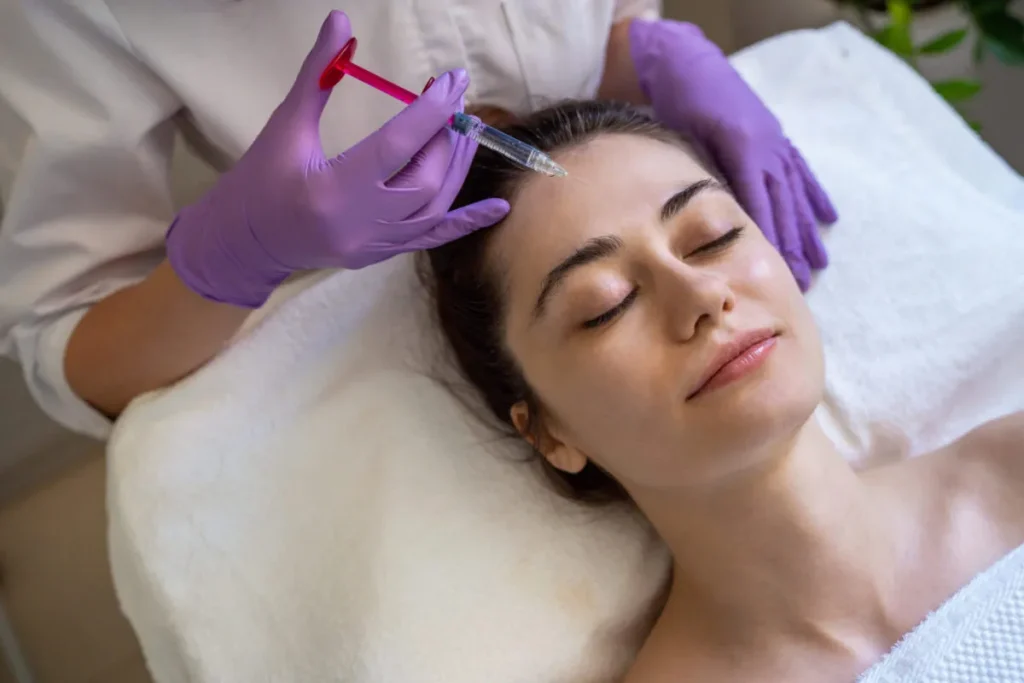
Botox, formally known as botulinum toxin, is a powerful neurotoxin that temporarily blocks nerve signals to muscles. This property makes it an effective tool for a range of medical conditions where muscle overactivity causes pain or dysfunction.
Key therapeutic uses include:
- Chronic migraine relief – Botox injections around the head and neck can reduce headache frequency.
- Hyperhidrosis (excessive sweating) – Targeted injections in the underarms, palms, or soles decrease sweat production.
- Spasticity and dystonia – Botox relaxes overactive muscles in conditions such as cervical dystonia.
- Overactive bladder – Intravesical Botox can lessen urgency and incontinence episodes.
- Strabismus (crossed eyes) – Precise injections align eye muscles for improved vision.
Below is a comparison of typical dosage ranges and treatment intervals for common medical indications:
| Condition | Typical Dose (Units) | Repeat Interval |
|---|---|---|
| Chronic Migraine | 155–195 | Every 12 weeks |
| Hyperhidrosis | 50–100 | Every 6–12 months |
| Spasticity | 200–400 | Every 3–4 months |
| Overactive Bladder | 100–200 | Every 6–9 months |
These medical applications demonstrate that botox is for what many patients need: targeted relief from conditions that affect daily life. The treatment is performed by qualified physicians, ensuring safety and efficacy.
Cosmetic Uses and How Botox Works
Beyond its medical benefits, Botox is widely recognized for its ability to smooth facial lines and restore a youthful appearance. The cosmetic effect stems from the same mechanism: temporary muscle paralysis that reduces the formation of dynamic wrinkles.
When injected into specific facial muscles, Botox blocks the release of acetylcholine, preventing muscle contraction. This relaxation flattens the overlying skin, diminishing the depth of lines caused by repeated facial expressions.
Common facial areas treated include:
- Forehead lines – smooths horizontal creases.
- Glabellar frown lines – reduces vertical “11” lines between the eyebrows.
- Crow’s feet – softens lateral eye wrinkles.
- Brow lift – modestly raises the eyebrows for a refreshed look.
Understanding how Botox works helps set realistic expectations. While the neurotoxin targets muscle activity, it does not alter skin texture or pigmentation. For comprehensive rejuvenation, many patients combine Botox with dermal fillers or laser treatments.
Answering the question botox is for what in a cosmetic context: it is primarily used to treat dynamic wrinkles, offering a quick, minimally invasive solution that requires no downtime.
Procedure Details: What to Expect
Before undergoing a Botox session, it’s helpful to know the steps involved, the level of discomfort, and the possible side effects. This knowledge demystifies the experience and prepares you for a smooth procedure.
Typical appointment flow:
- Consultation – The practitioner assesses your goals and reviews medical history.
- Preparation – The treatment area is cleansed; a topical anesthetic may be applied.
- Injection – Small amounts of Botox are injected into targeted muscles using a fine needle.
- Post‑treatment – Gentle massage may be performed to distribute the product evenly.
- After‑care – Instructions on activity restrictions and when to expect results.
Most patients describe the sensation as a brief pinch. The pain level is comparable to a standard injection, and many clinicians use a numbing cream or ice to reduce discomfort.
Below is a timeline of what patients typically experience after the injection:
| Time Frame | What Happens |
|---|---|
| 0–2 hours | Minimal swelling; possible slight redness. |
| 2–7 days | Onset of muscle relaxation; early wrinkle reduction. |
| 7–14 days | Peak effect; optimal smoothness achieved. |
| 3–4 months | Gradual return of muscle activity; effects wane. |
Potential side effects, though rare, include bruising at the injection site, temporary drooping of nearby muscles, or mild headache. These usually resolve within a few days. Understanding the answer to botox is for what in the context of side effects helps you weigh benefits against risks.
Duration, Maintenance, and Long‑Term Considerations
The longevity of Botox results varies by individual, treatment area, and dosage. On average, cosmetic effects last between three to four months, while some medical applications may extend up to a year.
Key factors influencing duration include:
- Metabolism – Faster metabolic rates may shorten the effect.
- Dosage – Higher unit counts often prolong results.
- Age – Younger skin may retain the effect longer.
- Activity level – Frequent facial expressions can diminish longevity.
Patients typically schedule follow‑up appointments every 3–6 months to maintain smoothness. Regular treatments do not lead to permanent muscle paralysis; instead, the muscle may gradually require fewer units over time as it adapts.
Long‑term safety has been extensively studied. While no serious systemic toxicity has been reported in cosmetic use, ongoing research monitors any subtle changes in muscle function. Addressing the question botox is for what in terms of longevity: it provides a reversible, temporary solution that fits well into a regular aesthetic maintenance plan.
Choosing the Right Provider and Safety Measures
Selecting a qualified practitioner is essential for safe and effective outcomes. Look for providers who hold certifications in aesthetic medicine and have extensive experience administering Botox.
Safety considerations include:
- Credentials – Board‑certified physicians or licensed specialists.
- Facility standards – Clean, accredited treatment rooms.
- Product handling – Use of FDA‑approved Botox vials stored correctly.
- After‑care support – Clear guidance on post‑treatment expectations.
At Gold City Medical Center, our team follows rigorous protocols to ensure each injection is performed with precision and care. When you ask botox is for what, the answer also encompasses the importance of a trusted, experienced provider who prioritizes your safety.
Why Choose Gold City Medical Center
Gold City Medical Center combines medical expertise with aesthetic excellence. Our integrative approach means you receive personalized care, whether you seek therapeutic relief or cosmetic enhancement. With state‑of‑the‑art facilities, certified specialists, and a commitment to patient safety, we deliver results you can trust.
Ready to discover how Botox can meet your specific needs? Contact Gold City Medical Center today to schedule a personalized consultation and take the first step toward a refreshed, confident you.
FAQ
What medical conditions can Botox treat?
Botox is used for chronic migraines, hyperhidrosis, spasticity, overactive bladder, and strabismus, among other conditions.
How does Botox work to reduce wrinkles?
Botox temporarily paralyzes facial muscles, preventing the formation of dynamic wrinkles.
What should I expect during a Botox procedure?
A typical Botox visit includes a consultation, preparation, injection, brief post‑treatment massage, and after‑care instructions.
How long do Botox results last for cosmetic use?
Cosmetic results typically last three to four months, though individual factors can affect duration.
Are there any side effects or risks associated with Botox?
Side effects are rare and usually mild, including bruising, temporary drooping, or mild headache.
How often should I schedule Botox maintenance appointments?
Most people book follow‑up treatments every 3–6 months to keep results consistent.
How do I choose a qualified Botox provider?
Select a board‑certified physician or licensed specialist who follows strict safety protocols and uses FDA‑approved product.





