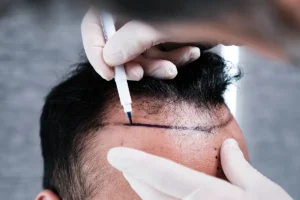
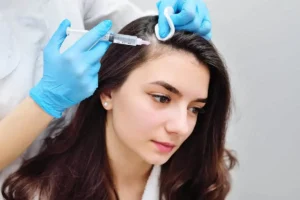
When you search for hair replacement photos, you’re looking for visual proof that a procedure can deliver the density and natural look you desire. These images are more than marketing material; they serve as a realistic benchmark for expectations, technique effectiveness, and long‑term satisfaction. In this article we’ll walk through the science behind hair restoration, explain how to interpret before‑and‑after pictures, and highlight what truly matters when evaluating the results.
Across the globe, clinics publish extensive galleries, yet not all photos are created equal. Some are taken under optimal lighting, while others may be edited to mask imperfections. Understanding the nuances helps you separate hype from genuine outcomes. According to recent patient surveys, 78 % of individuals say that clear visual evidence was a decisive factor in choosing their provider.
We’ll explore the most common hair restoration techniques, break down the visual cues that indicate a successful transplant, and provide guidance on selecting a reputable clinic. By the end of this guide, you’ll be equipped to assess hair replacement photos with confidence and move forward on a path toward a fuller, natural‑looking hairline.
Understanding Hair Replacement: Techniques and Expectations
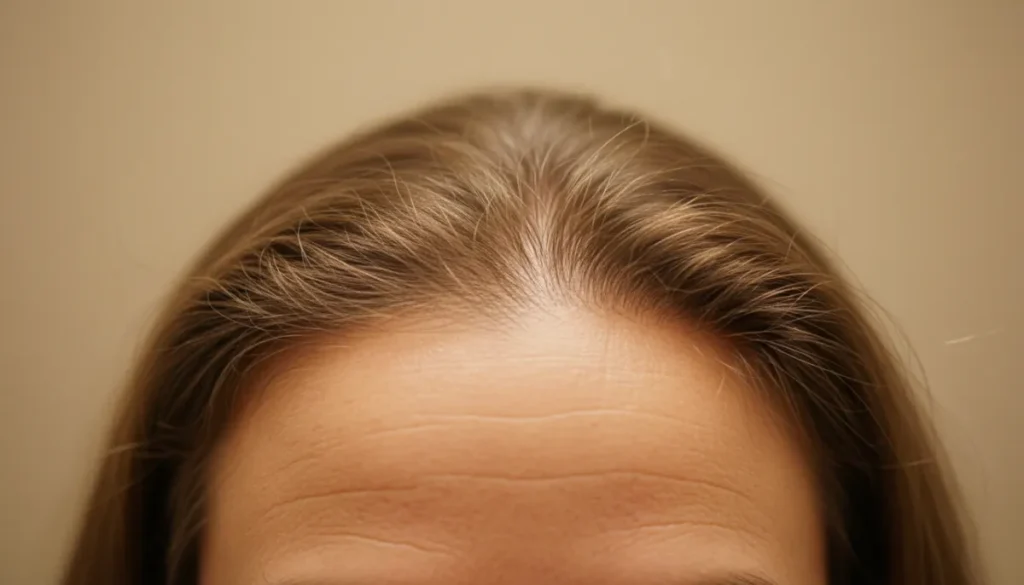
Hair restoration can be achieved through several methods, each producing distinct visual outcomes in the before‑and‑after gallery. The two most prevalent techniques are Follicular Unit Extraction (FUE) and Follicular Unit Transplantation (FUT). Both aim to relocate healthy follicles from a donor area—usually the back of the scalp—to thinning zones, but they differ in how the grafts are harvested and placed.
FUE Hair Transplant
In FUE hair transplant, individual follicular units are extracted using a tiny punch device. This method leaves minimal scarring, making it ideal for patients who prefer short hairstyles. When reviewing hair replacement photos from FUE procedures, look for evenly spaced grafts, natural hairline curvature, and seamless blending with existing hair.
FUT (Strip) Method
The FUT technique involves removing a strip of scalp, from which grafts are dissected under a microscope. While it may leave a linear scar, FUT can yield a higher number of grafts in a single session, which can be advantageous for extensive balding. In photos, successful FUT outcomes display dense coverage without noticeable strip marks.
Hairline Transplant and Beard Restoration
Specialized procedures such as hairline transplant focus on recreating a low, natural hairline, often for patients with receding fronts. Similarly, beard transplant before and after images reveal the precision required to match facial hair growth patterns. When evaluating these photos, assess the symmetry, angle, and consistency with surrounding facial features.
- Technique (FUE, FUT, hairline transplant)
- Donor area quality
- Graft density per cm²
- Healing time and scar visibility
Interpreting Before and After Photos: What to Look For
Not every picture tells the full story. To accurately gauge results, focus on the following visual markers:
| Visual Marker | What to Observe | Typical Good Indicator |
|---|---|---|
| Hairline Shape | Natural curvature, alignment with facial features | Soft, gradual slope rather than a straight line |
| Graft Distribution | Even spacing, lack of clumping | Uniform density across the treated zone |
| Scalp Visibility | Presence of any shiny or bald spots | Minimal scalp exposure, especially under natural light |
| Color Matching | Consistency between transplanted and existing hair | Uniform pigment without stark contrast |
Lighting plays a crucial role. Photos taken under bright, natural light reveal true hair density, whereas studio lighting can artificially enhance volume. Additionally, examine images taken at multiple angles—front, side, and top—to ensure the results are consistent from all viewpoints.
When you encounter hair transplant before and after pictures featuring a “turkish hair transplant” clinic, remember that Turkey is a major hub for affordable, high‑volume procedures. However, the same visual standards apply regardless of location. Look for clear documentation of the pre‑procedure stage, the immediate post‑procedure stage (usually 1‑2 weeks), and the mature result (12‑18 months).
Real Patient Stories: Photo Cases from Turkey and Beyond
Seeing real cases helps translate abstract concepts into tangible expectations. Below are highlights from several documented patient journeys, each accompanied by authentic hair replacement photos that illustrate the progression from thinning to fullness.
- Case A – 35‑year‑old male, Istanbul: Underwent a FUE procedure with 2,800 grafts. At 12 months, hair density increased by 68 % on the crown, with a natural hairline restored.
- Case B – 42‑year‑old female, Amsterdam: Opted for a hairline transplant focusing on the frontal zone. Photos show a subtle, low hairline that blends seamlessly with her existing strands.
- Case C – 28‑year‑old male, Ankara: Combined scalp and beard transplant. Before‑and‑after images highlight precise beard shaping and dense scalp coverage.
- Case D – 50‑year‑old male, London: Received a FUT strip graft yielding 4,500 follicles. Six‑month photos reveal initial scarring, while the 18‑month images display full coverage with no visible strip.
Each story underscores the importance of realistic timelines. While early photos may show swelling or redness, the mature images (typically 12‑18 months post‑procedure) provide the most accurate representation of permanent results.
Common Concerns and Myths Debunked
Prospective patients often encounter misconceptions that can cloud judgment when reviewing hair transplant before and after pictures. Here we address the most frequent doubts:
- Myth: All hair grafts grow instantly. In reality, transplanted follicles enter a dormant phase (shock loss) before new growth begins, usually visible around three months.
- Myth: More grafts guarantee better density. Proper distribution and angle are equally critical; over‑grafting can lead to unnatural appearance.
- Myth: Results are immediate. Full maturity typically requires 12‑18 months; early photos may not reflect final density.
- Myth: Only men benefit. Women also achieve natural‑looking outcomes, especially with techniques like FUE that preserve donor hair.
Understanding these points helps you evaluate photo galleries without falling prey to marketing hype. Look for transparent documentation of the healing timeline and realistic expectations set by the clinic.
Choosing the Right Clinic: Quality Indicators in Photos
With countless clinics worldwide, selecting a trustworthy provider hinges on the quality of their visual documentation. The following checklist can guide you:
| Indicator | Why It Matters | Red Flag |
|---|---|---|
| Consistent Lighting | Shows true hair density | Over‑exposed or heavily edited images |
| Multiple Angles | Demonstrates three‑dimensional coverage | Only frontal view provided |
| Timeline Documentation | Highlights healing and growth phases | Missing post‑procedure milestones |
| Patient Consent | Ensures ethical use of images | Unclear source or anonymous photos |
Clinics that transparently present hair graft before and after images, include before‑procedure baseline, and provide a clear post‑procedure timeline demonstrate confidence in their results. These visual standards are a reliable proxy for overall service quality.
Why Choose Gold City Medical Center
Gold City Medical Center combines state‑of‑the‑art technology with a personalized, integrative approach to hair restoration. Our team of certified specialists tailors each procedure—whether FUE, hairline transplant, or beard augmentation—to the individual’s anatomy and aesthetic goals. By adhering to rigorous clinical standards and offering transparent, unedited hair replacement photos, we empower patients to make informed decisions and achieve lasting confidence.
Ready to see your own transformation? Contact Gold City Medical Center today to schedule a confidential consultation and receive a personalized photo‑based treatment plan.
Take the first step toward a fuller, natural‑looking hairline—your confidence awaits.
FAQ
How can I evaluate hair replacement photos to ensure realistic results?
Look for consistent lighting, multiple angles, clear timelines, and natural hairline curvature.
What are the differences between FUE and FUT hair transplant techniques?
FUE extracts individual follicles with minimal scarring, while FUT removes a strip of scalp to harvest more grafts at once.
Why is consistent lighting important in before and after hair transplant images?
Consistent lighting shows true hair density and prevents misleading enhancements.
What timeline should I expect for seeing final results after a hair transplant?
Full, permanent results typically appear 12‑18 months after the procedure.
Are beard transplants covered in the same way as scalp hair transplants?
Yes, beard transplants follow similar principles but focus on facial hair patterns and angles.
How can I spot edited or misleading hair transplant photos?
Look for over‑exposed lighting, identical backgrounds, missing angles, and unusually perfect hairlines.
What indicators show a reputable hair transplant clinic in their photo gallery?
Consistent lighting, multiple angles, documented timelines, and patient consent are key indicators.