Many patients wonder does breast cancer cause hair loss before treatment and whether early thinning might be an early warning sign. While chemotherapy and radiation are well‑known for causing hair loss, some individuals notice changes in their hair even before any therapy begins. Understanding why this happens, how to differentiate it from other causes, and what steps can be taken is essential for both peace of mind and timely medical care.
Hair loss can be unsettling, especially when it appears unexpectedly during a period of uncertainty. Studies show that up to 15 % of breast cancer patients report noticeable hair thinning prior to receiving systemic therapy. This early alopecia may stem from hormonal shifts, stress, or the cancer itself influencing the body’s natural processes.
In this article we will examine the biological mechanisms behind pre‑treatment hair loss, explore related factors such as stress and hormonal changes, outline how clinicians assess early hair loss, and provide practical advice for managing this symptom while awaiting treatment. By the end, you will have a clearer picture of what to expect and how to seek appropriate support.
Understanding Hair Loss and Cancer: Why It Can Happen Early
Hair growth follows a tightly regulated cycle of growth (anagen), transition (catagen), and rest (telogen). Disruption of this cycle can lead to diffuse thinning or patchy loss. In the context of breast cancer, several mechanisms may interfere with normal hair follicle function before any oncologic therapy is administered.
First, certain breast tumors produce substances that alter the body’s hormonal balance. Elevated estrogen or progesterone levels can affect the hair growth cycle, sometimes pushing follicles into the telogen phase prematurely. Second, the immune system’s response to malignancy may trigger inflammation that indirectly damages hair follicles.
Below is a comparison of the primary pathways that can lead to early hair loss in breast cancer patients:
| Pathway | Mechanism | Typical Signs |
|---|---|---|
| Hormonal Imbalance | Increased estrogen/progesterone or reduced androgen activity | Gradual thinning, especially on the scalp and eyebrows |
| Immune‑Mediated Inflammation | Cytokine release affecting follicular cells | Patchy loss, sometimes accompanied by scalp redness |
| Stress‑Induced Telogen Effluvium | Psychological stress accelerating follicles into telogen | Diffuse shedding 2–3 months after a stressful event |
While the phrase does breast cancer cause hair loss before treatment is often asked, the answer is nuanced: the disease itself can create an environment that predisposes the scalp to shedding, even before chemo or radiation begins.
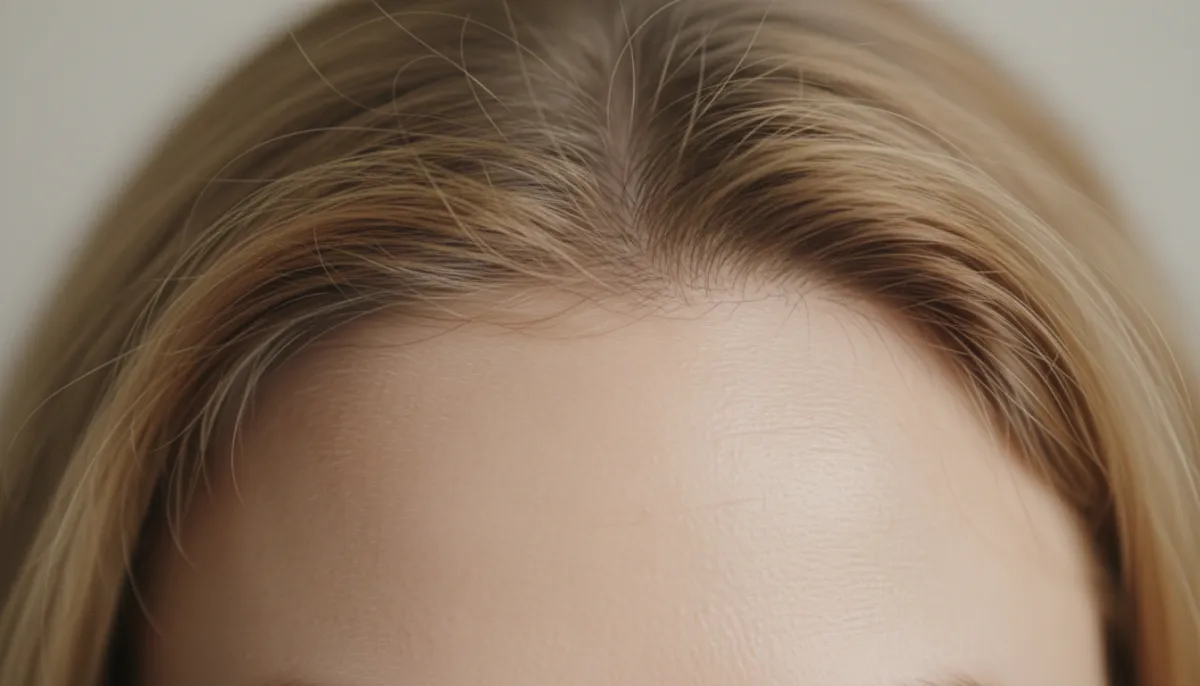
Hormonal Changes and Stress: Indirect Causes of Pre‑Treatment Hair Loss
Beyond direct tumor‑derived factors, the body’s endocrine response to cancer can create a cascade of changes that influence hair health. Breast cancer frequently alters levels of estrogen, progesterone, and even thyroid hormones, each of which plays a role in follicle cycling.
Additionally, the emotional impact of a cancer diagnosis can trigger a condition known as telogen effluvium. This form of hair loss is characterized by a sudden shift of hair follicles into the resting phase, leading to noticeable shedding within weeks to months after the stressful event.
Key points to consider:
- Hormone‑related thinning: Elevated estrogen can prolong the telogen phase, while reduced androgens may weaken hair shaft strength.
- Stress‑induced shedding: The body’s cortisol surge during anxiety can disrupt the normal hair cycle.
- Thyroid dysfunction: Hypothyroidism, sometimes uncovered during cancer work‑ups, is a common cause of diffuse hair loss.
Understanding these indirect contributors helps answer related queries such as “does cancer cause hair loss” or “can cancer cause hair loss”. While they are not direct side effects of treatment, they illustrate how the disease environment can affect hair.
When Hair Loss Signals Underlying Health Issues: Differentiating Cancer‑Related Alopecia from Other Conditions
Not every case of early hair loss in a breast cancer patient is directly linked to the tumor. Physicians must distinguish cancer‑related alopecia from other common causes such as medication side effects, nutritional deficiencies, or autoimmune disorders.
For example, certain medications prescribed for symptom management—like antihistamines or antidepressants—can contribute to thinning. Likewise, iron deficiency anemia, which may coexist with cancer, is a well‑documented cause of diffuse hair loss.
Below is a checklist clinicians use to evaluate early hair loss:
- Review of current medications (including over‑the‑counter supplements)
- Blood tests for iron, ferritin, thyroid function, and vitamin D levels
- Scalp examination for signs of inflammation or infection
- Patient history of recent stressors, diet changes, or hormonal therapies
By systematically assessing these factors, doctors can answer questions like “does radiation cause hair loss” or “does chemo cause hair loss” with greater precision, ensuring that any non‑cancer cause is addressed promptly.
Diagnostic Steps: How Doctors Evaluate Hair Loss in Breast Cancer Patients
When a patient reports hair thinning before starting therapy, a structured diagnostic pathway is followed. The goal is to identify whether the loss is a benign reaction to stress, a manifestation of hormonal imbalance, or an early sign of a more systemic issue.
The typical work‑up includes:
- Detailed medical history: Timing of hair loss, recent stress events, medication list, and family history of alopecia.
- Physical examination: Scalp inspection for pattern, density, and signs of inflammation.
- Laboratory testing: CBC, iron studies, thyroid panel, and hormone levels (estrogen, progesterone, testosterone).
- Trichoscopy: Non‑invasive imaging of hair follicles to detect miniaturization or scarring.
- Biopsy (rare): In ambiguous cases, a small scalp punch biopsy can rule out autoimmune alopecia.
These steps also help address related concerns such as “does radiation therapy cause hair loss” by establishing a baseline before any treatment begins. Early detection enables clinicians to tailor supportive measures and set realistic expectations for patients.
Managing Early Hair Loss: Supportive Care and Preventive Strategies
Even when hair loss occurs before any oncologic therapy, there are effective ways to mitigate its impact and promote regrowth. Patients can adopt both medical and lifestyle approaches to protect existing hair and encourage new growth.
Key strategies include:
- Nutrition optimization: Adequate protein, iron, zinc, and omega‑3 fatty acids support follicle health.
- Stress reduction techniques: Mindfulness, yoga, and counseling can lower cortisol levels that trigger telogen effluvium.
- Topical treatments: Minoxidil 2 % or 5 % solutions have been shown to stimulate scalp blood flow and prolong the anagen phase.
- Gentle hair care: Avoid harsh chemicals, heat styling, and tight hairstyles that cause traction alopecia.
- Medical review: Adjusting or substituting medications that may contribute to thinning, under physician guidance.
Patients often ask “how to avoid hair loss” or “natural ways to prevent hair loss during chemotherapy”. While these tips are most effective once treatment starts, implementing them early can reduce the severity of any future loss and improve overall scalp health.
Finally, regular follow‑up with a multidisciplinary team—including oncologists, dermatologists, and nutritionists—ensures that any emerging hair concerns are addressed promptly, preserving both physical appearance and emotional well‑being.
Why Choose Gold City Medical Center
Gold City Medical Center offers a holistic approach that integrates oncology, dermatology, and wellness services under one roof. Our experienced team combines evidence‑based medical care with personalized support for hair health, ensuring that patients receive comprehensive evaluation and tailored treatment plans. From early diagnostic assessments to cutting‑edge hair restoration options, we are committed to helping you maintain confidence throughout your cancer journey.
Ready to discuss your concerns about early hair loss? Contact Gold City Medical Center today for a personalized consultation and discover how our integrative services can support your health and well‑being.
FAQ
Does breast cancer cause hair loss before treatment?
Yes, breast cancer can lead to early hair loss due to hormonal changes, immune‑mediated inflammation, and stress‑related telogen effluvium.
What hormonal changes can lead to early hair loss in breast cancer patients?
Elevated estrogen or progesterone and reduced androgen activity can shift hair follicles into the telogen phase, causing thinning.
How does stress contribute to hair loss before cancer therapy?
Stress raises cortisol levels, which can trigger telogen effluvium and cause diffuse shedding weeks to months after the stressful event.
What diagnostic steps are taken to evaluate hair loss in breast cancer patients?
Doctors review medical history, perform a scalp exam, order labs (iron, thyroid, hormone panels), and may use trichoscopy or biopsy if needed.
What supportive care options are available to manage early hair loss?
Nutrition optimization, stress reduction, gentle hair care, topical minoxidil, and medication review are key strategies.
Can nutrition help prevent hair loss before treatment?
Yes, a balanced diet rich in protein, iron, zinc, and essential fatty acids can strengthen hair follicles and reduce shedding.
How is trichoscopy used in assessing hair loss for cancer patients?
Trichoscopy provides a magnified view of hair follicles, helping differentiate telogen effluvium, androgenic alopecia, and scarring conditions.





